Connecting Futures: Information Integrity in Europe’s Next Decade — Study Visit Held in Berlin
Europe’s information landscape is changing rapidly. Traditional media are increasingly competing for public trust not only with one another, but also with independent creators, influencers, and digital platforms.
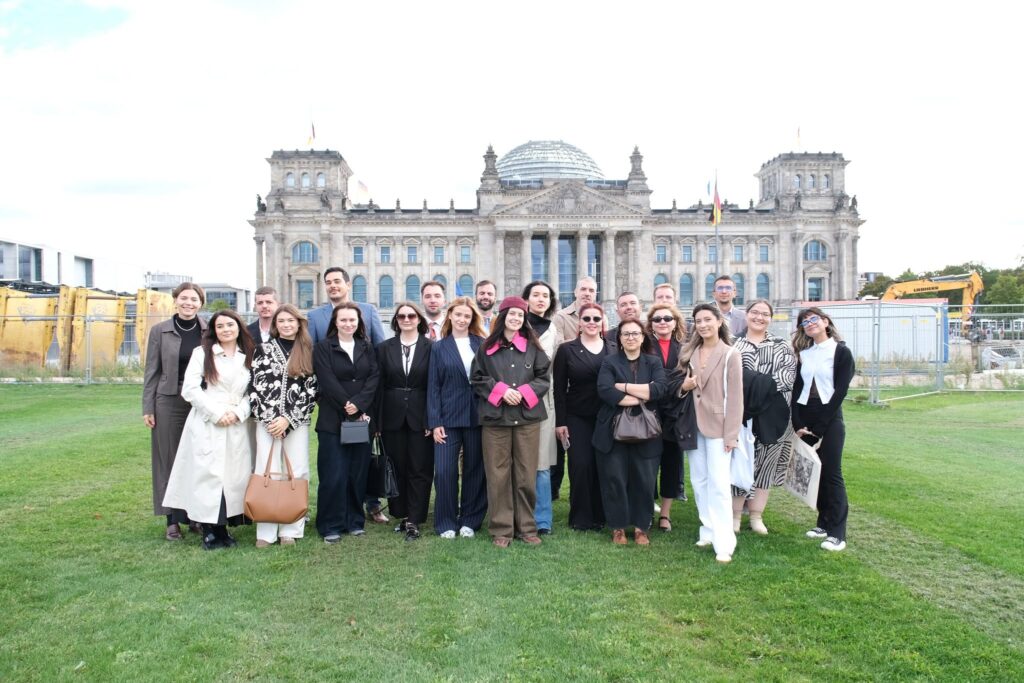
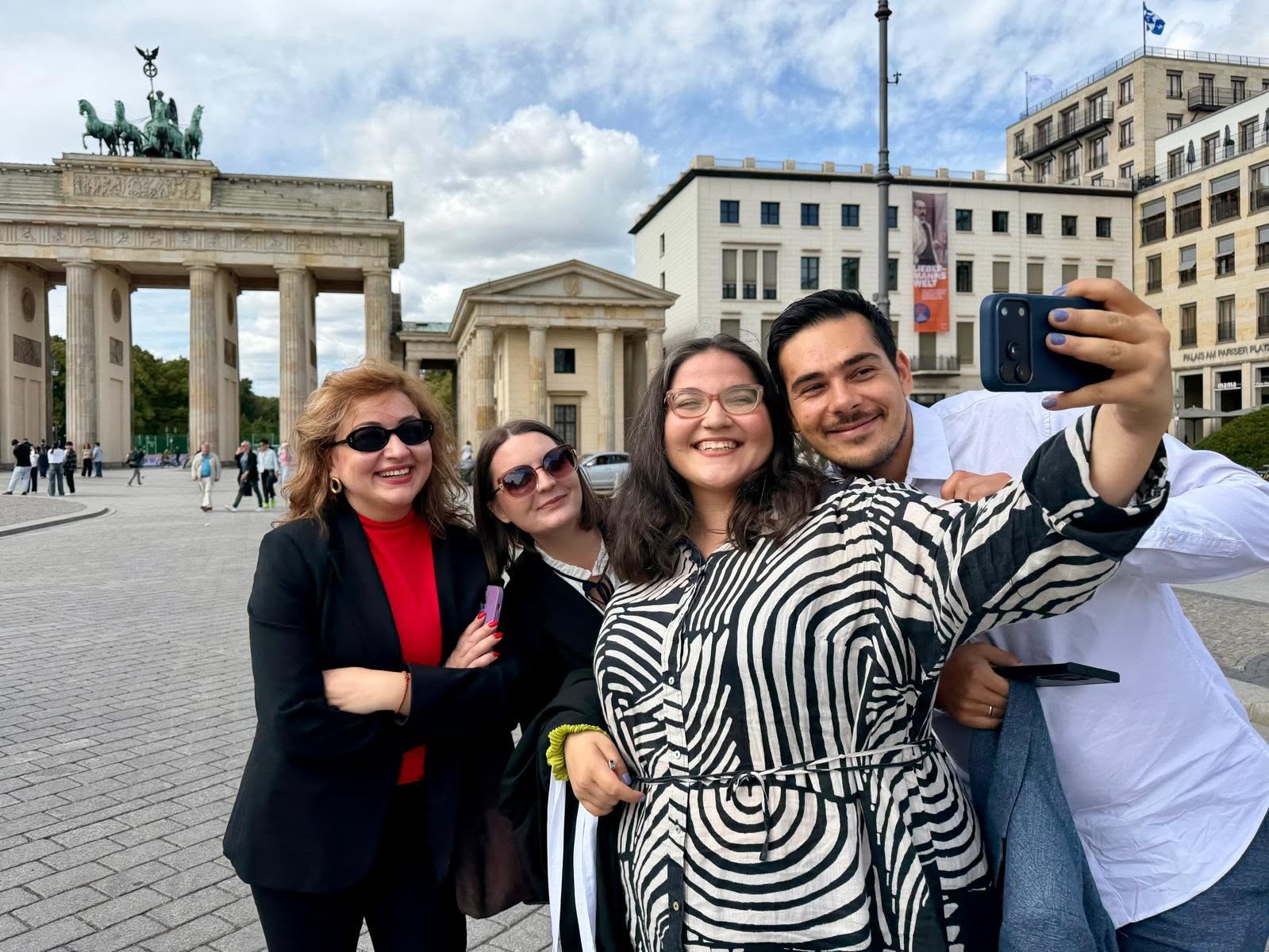
How might these changes reshape Europe’s information environment over the next decade? This question was at the heart of a study visit to Berlin on September 8–9, held as part of the Connecting Futures: Information Integrity in Europe’s Next Decade program.
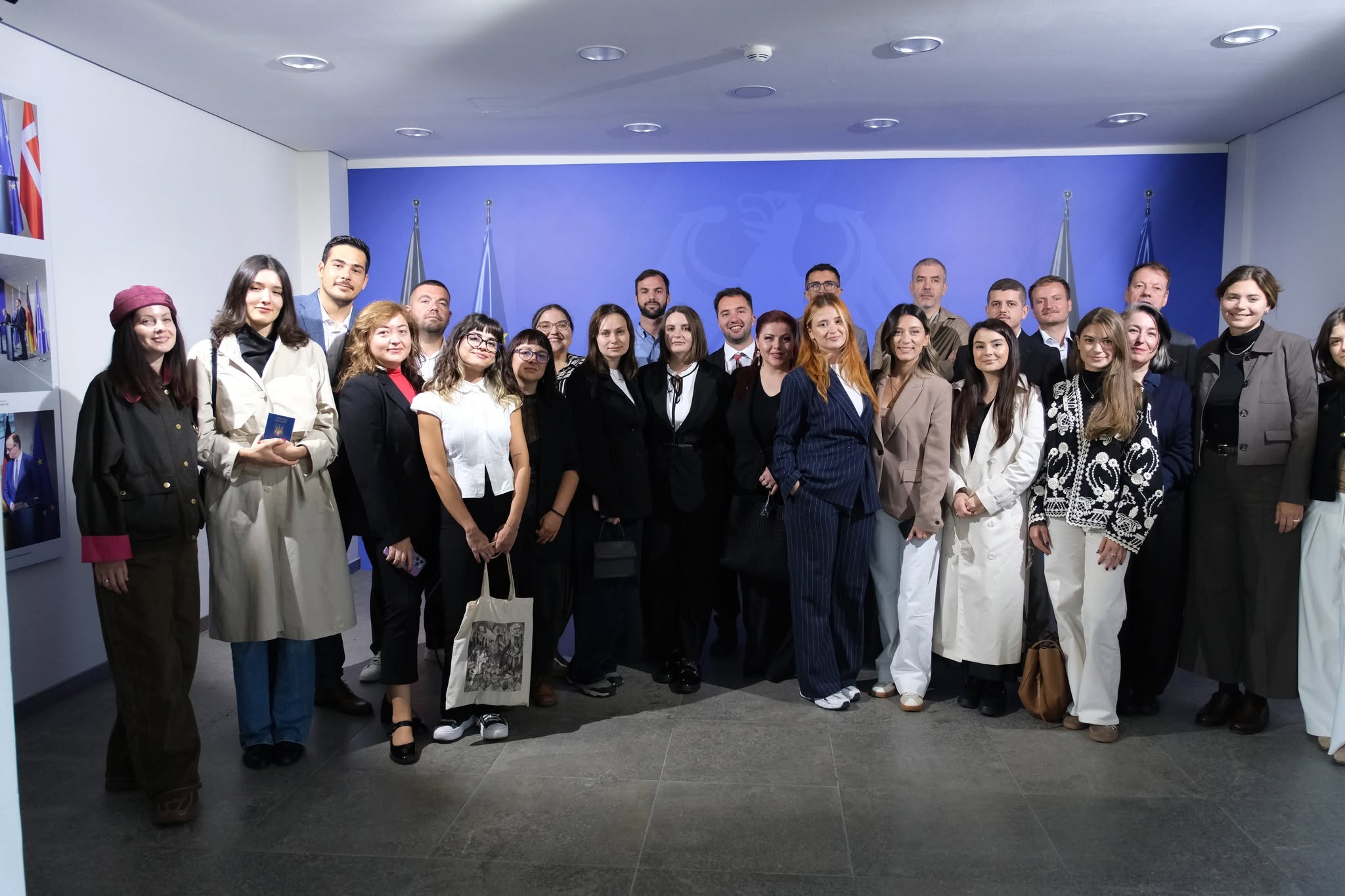
The program is jointly implemented by Aspen Institute Germany, Aspen Institute Kyiv, and Aspen Institute Romania. It brought together 20 media professionals from 10 countries in the EU enlargement region — Albania, Bosnia and Herzegovina, Georgia, Kosovo, Moldova, Montenegro, North Macedonia, Serbia, Türkiye, and Ukraine. Participants included journalists, influencers, and digital content creators.
Representing Aspen Institute Kyiv in the program were Alevtyna Podvirna, an influencer with an audience of over one million followers; Alina Poliakova, editor and journalist at Ukrainska Pravda; and Valeriia Shashenok, influencer and digital content creator. Daryna Krupiievska, Project Coordinator at Aspen Institute Kyiv, also joined the program on behalf of the Institute’s team.
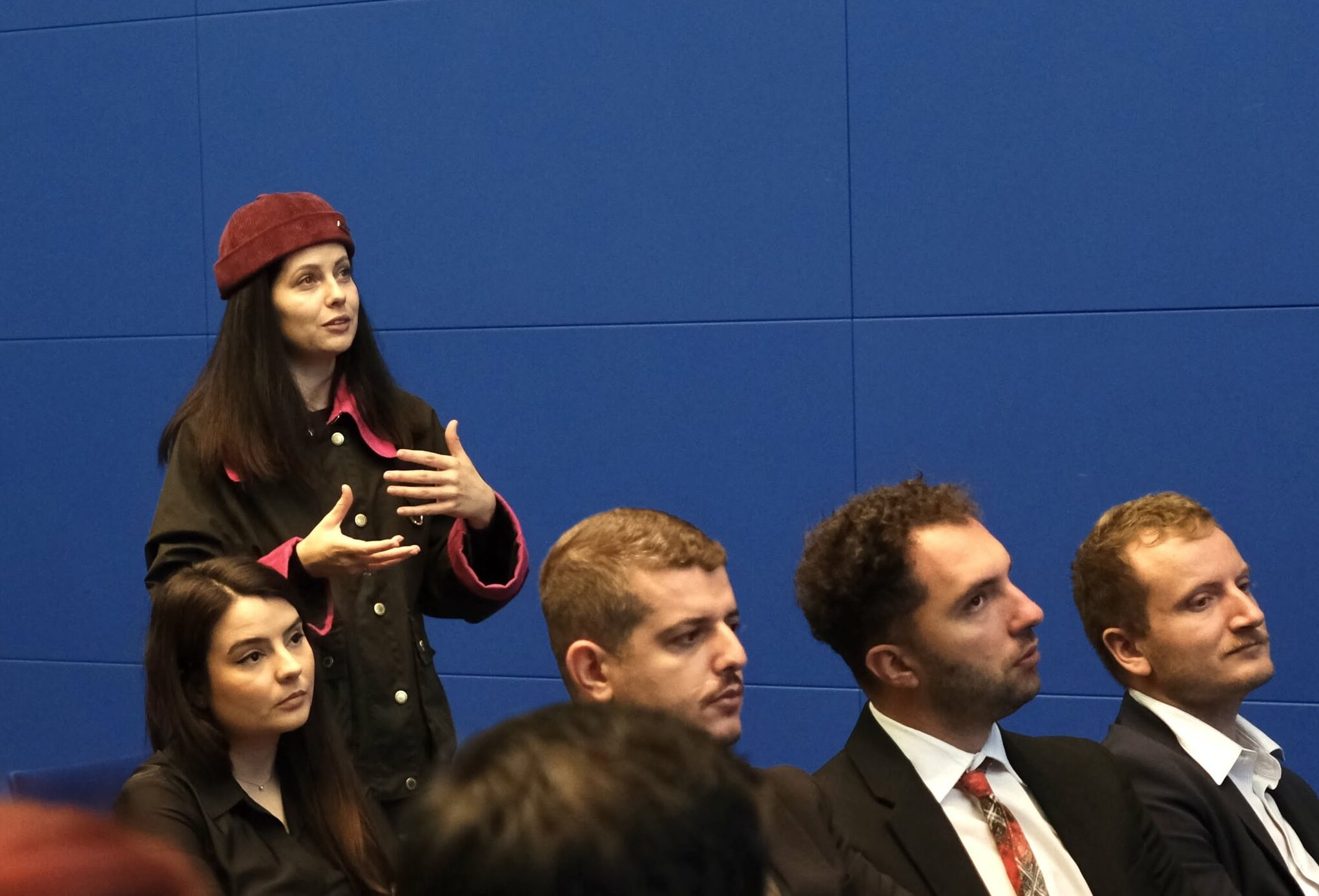
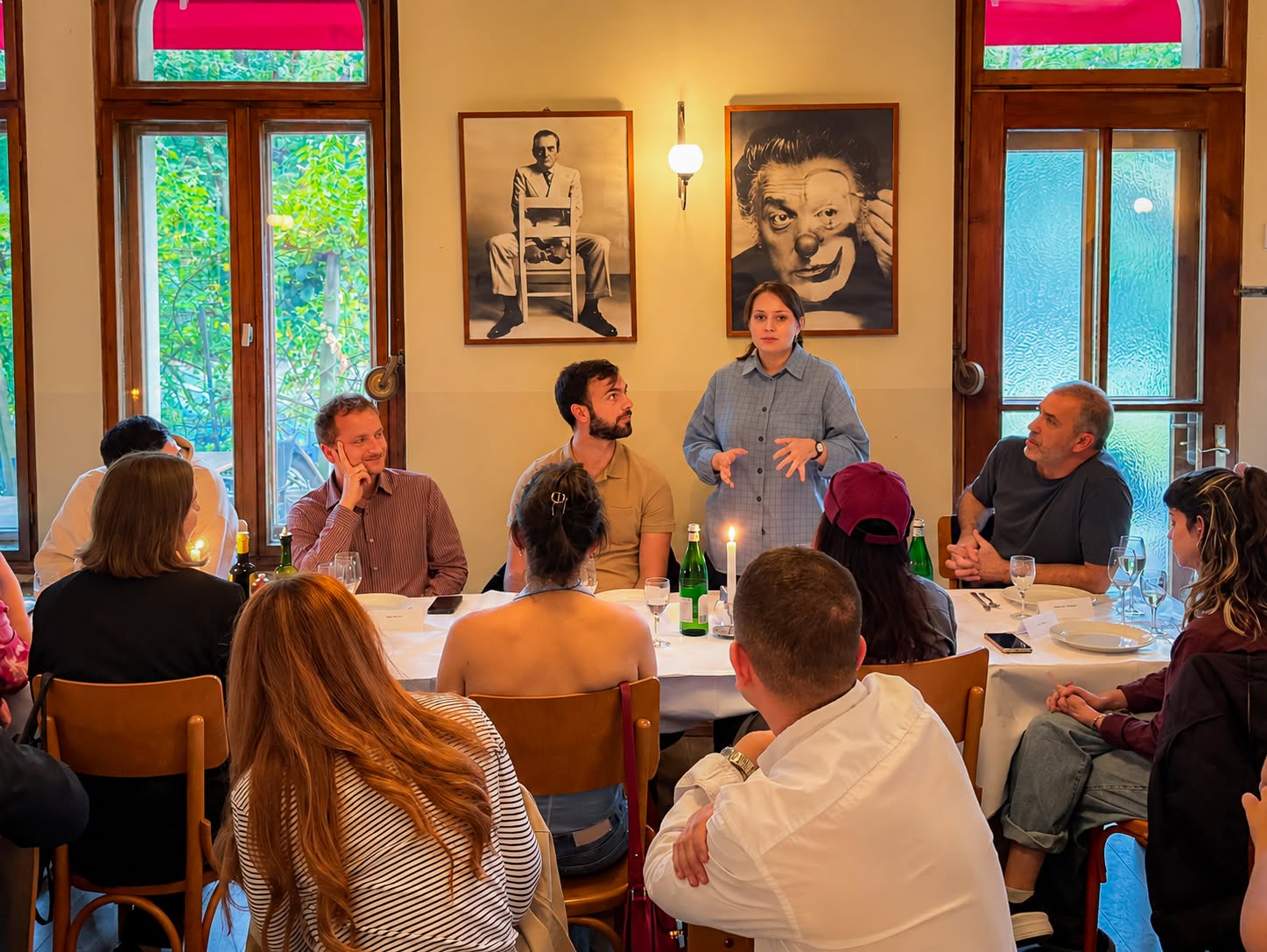
One of the central themes of the program was trust: what it is built on today and how its sources are changing in the digital environment. During a World Café session, participants explored different approaches to audience engagement together with Johanna Rüdiger from Deutsche Welle, Sebastian Florian Frick from Meta, and Anastasia Barner, a digital content creator.
Traditional newsrooms build trust through journalistic standards, fact-checking, and established reputations, while independent creators often rely on personal connections with their audiences and accessible communication. In today’s information environment, these approaches are not necessarily in competition and can increasingly complement one another.
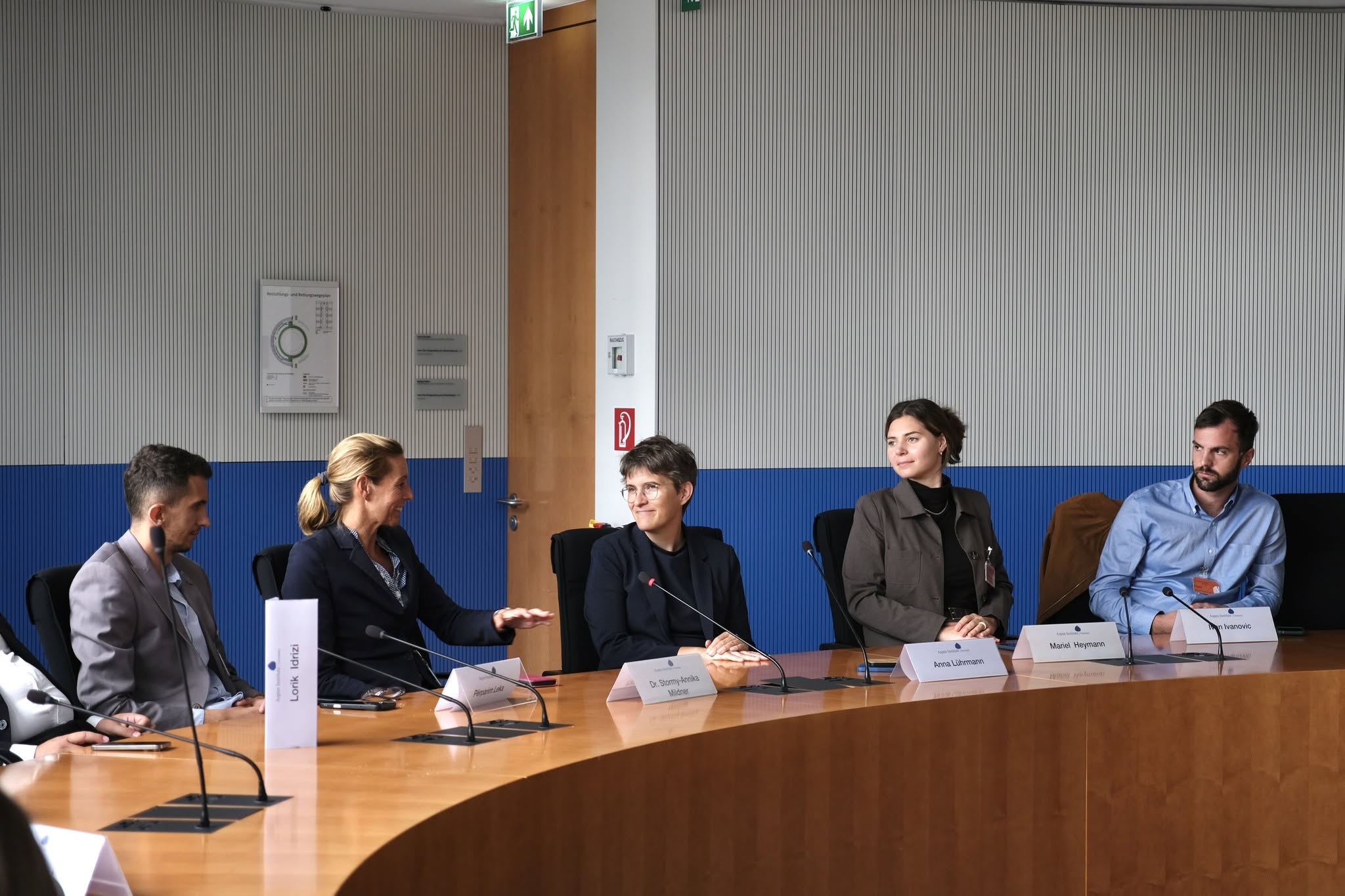
The broader context of information resilience was explored in a conversation with Sonja Kreibich, Strategic Communications Advisor at the German Federal Foreign Office, and Stormy-Annika Mildner, Executive Director of Aspen Institute Germany.
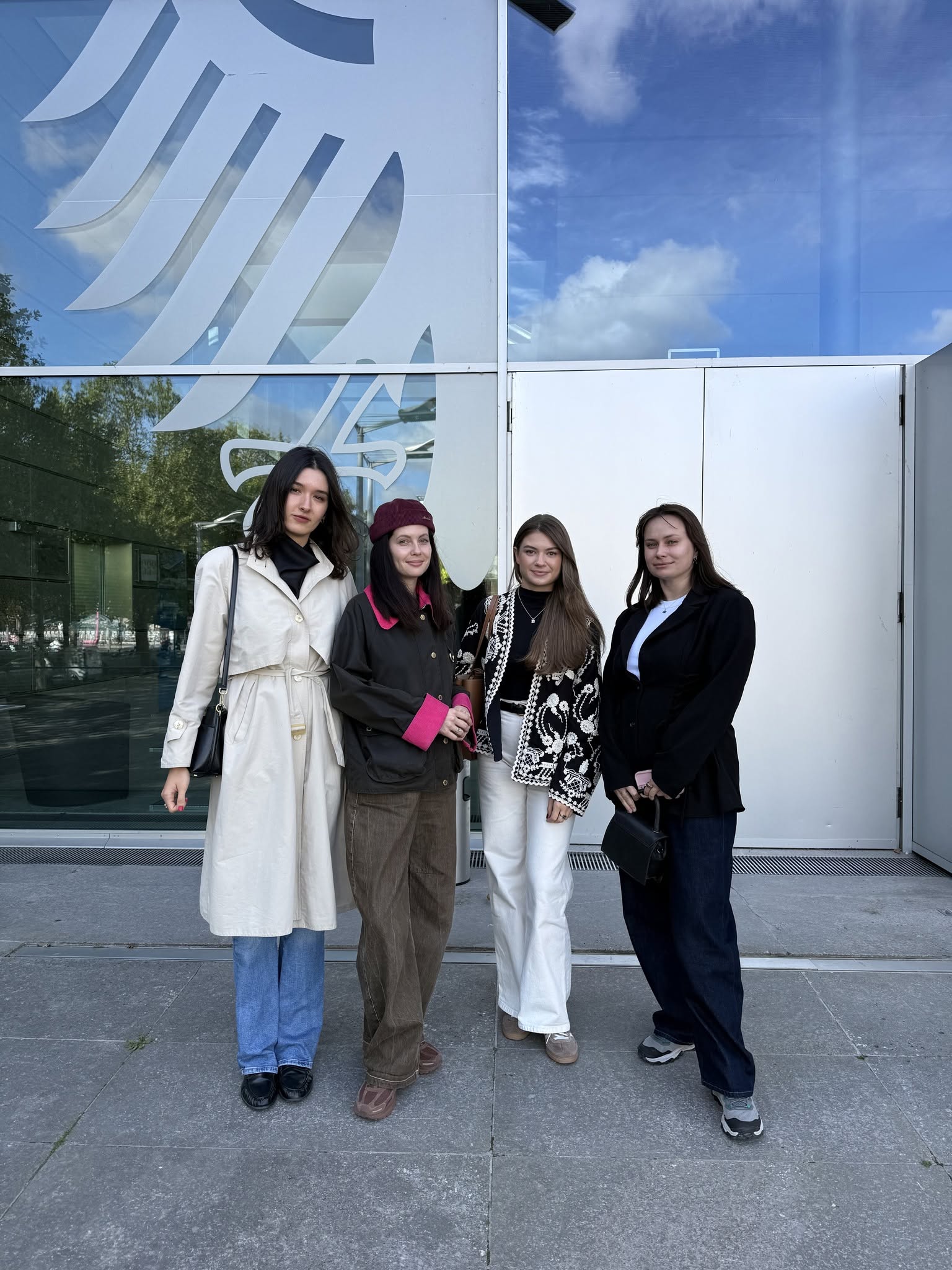
The program also included visits to the German Federal Press and Information Office (Bundespresseamt) and the German Bundestag, where participants examined how public institutions communicate with society and the media, and the role strategic communications play in strengthening information resilience.
Building on their analysis of current developments, participants turned their attention to the future: what might Europe’s information landscape look like in ten years, and which forces will shape its evolution?
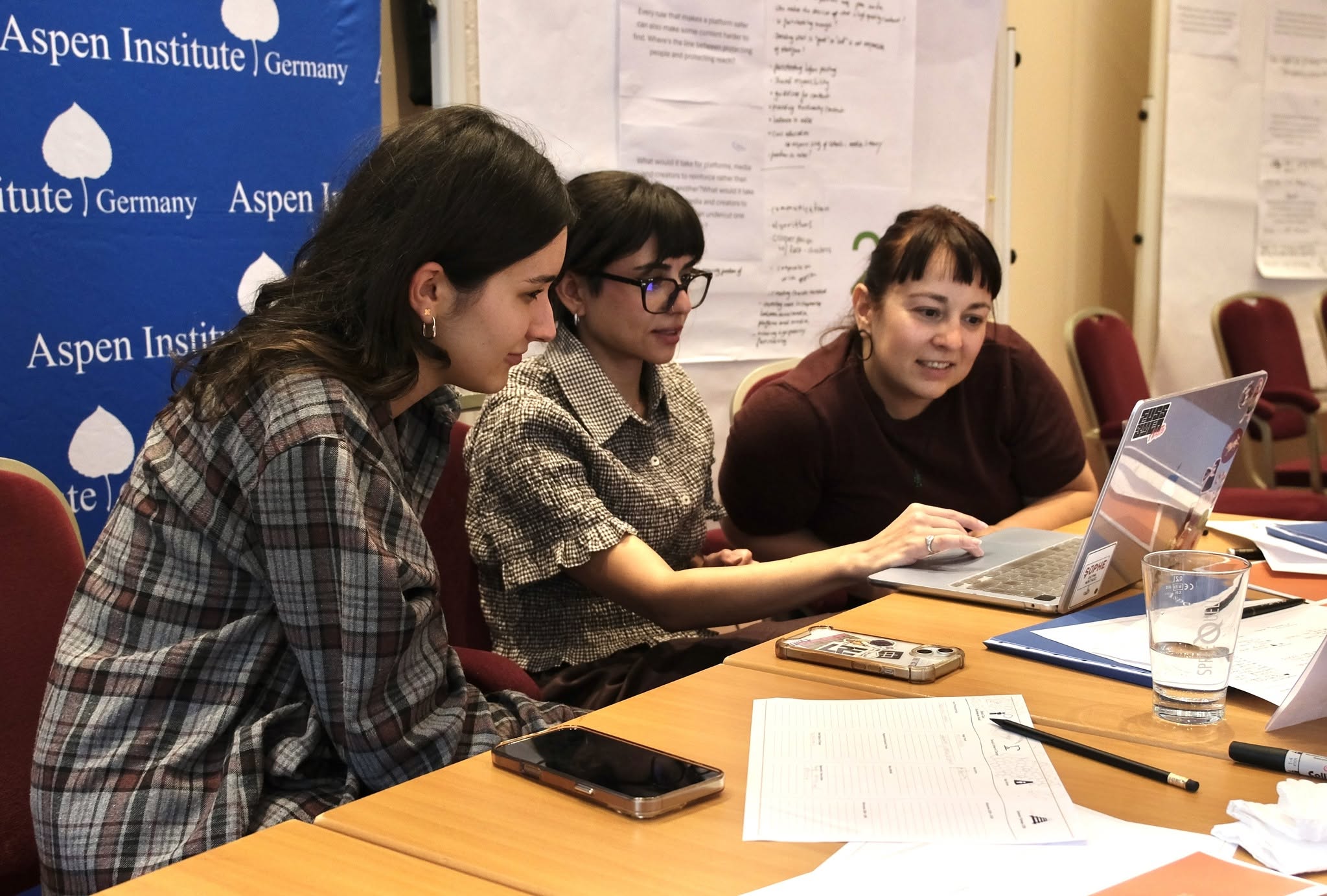
During foresight sessions moderated by Oliver Gnad, Executive Director and Co-founder of Bureau für Zeitgeschehen, participants developed possible scenarios for the future of the information environment, considering the influence of digital platforms, algorithms, disinformation, and shifting patterns of public trust. Particular attention was given to the cross-border nature of contemporary information processes and the importance of cooperation among journalists, content creators, and media organizations from different countries.
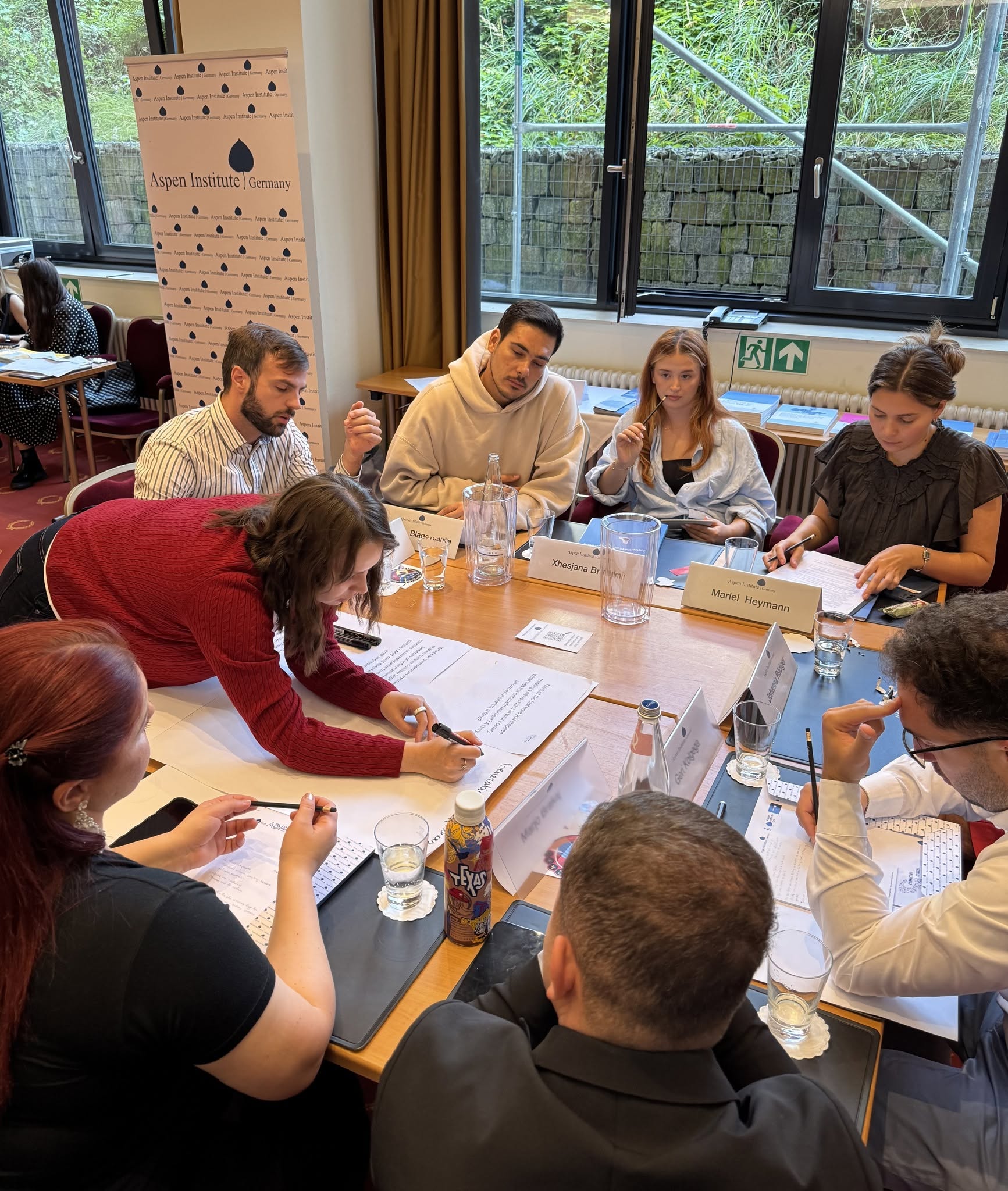
The next stage of the program will be an online workshop, during which participants will finalize their scenarios. The findings and key insights will be consolidated into an analytical report intended for civil society organizations, media outlets, digital platforms, and policymakers.
The project is implemented by Aspen Institute Germany in partnership with Aspen Institute Kyiv and Aspen Institute Romania, with support from the Aspen Global Fund 2026.