


“The Economy of Resilience: Leadership Challenges 2026.” Aspen Institute Kyiv, together with the Frontier Institute and CEO Club Ukraine, held the Good Governance Forum
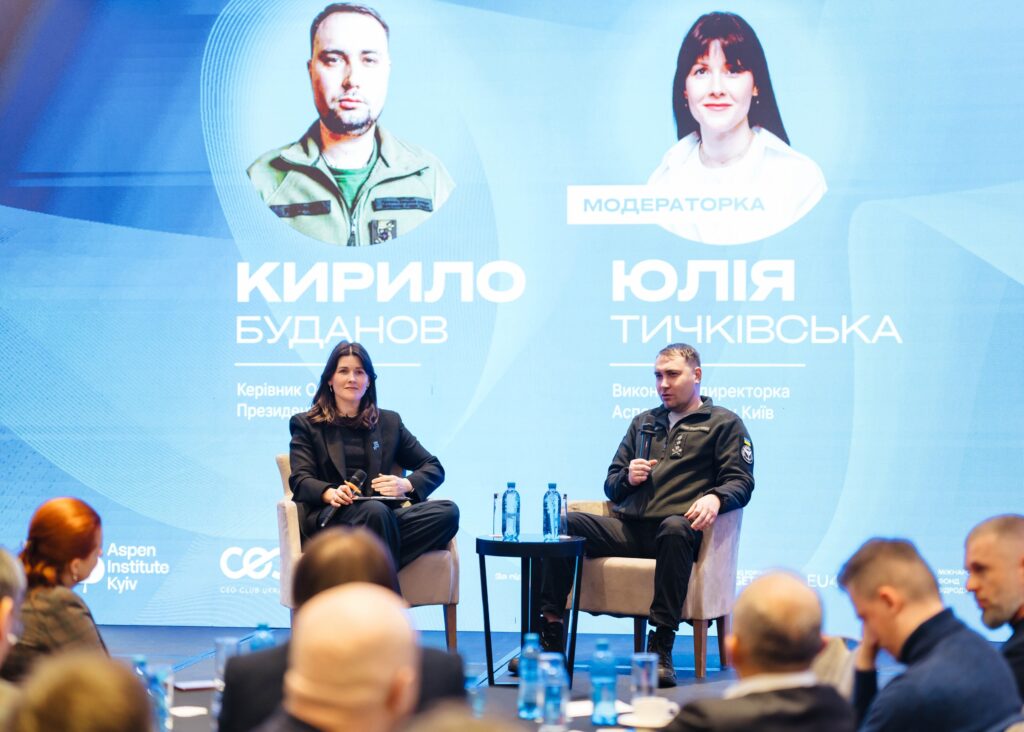
On February 14, more than 200 leaders from government, business, the military sphere, and civil society gathered at the Good Governance Forum “The Economy of Resilience: Leadership Challenges 2026,” held for the third time by Aspen Institute Kyiv in partnership with the Frontier Institute and CEO Club Ukraine.
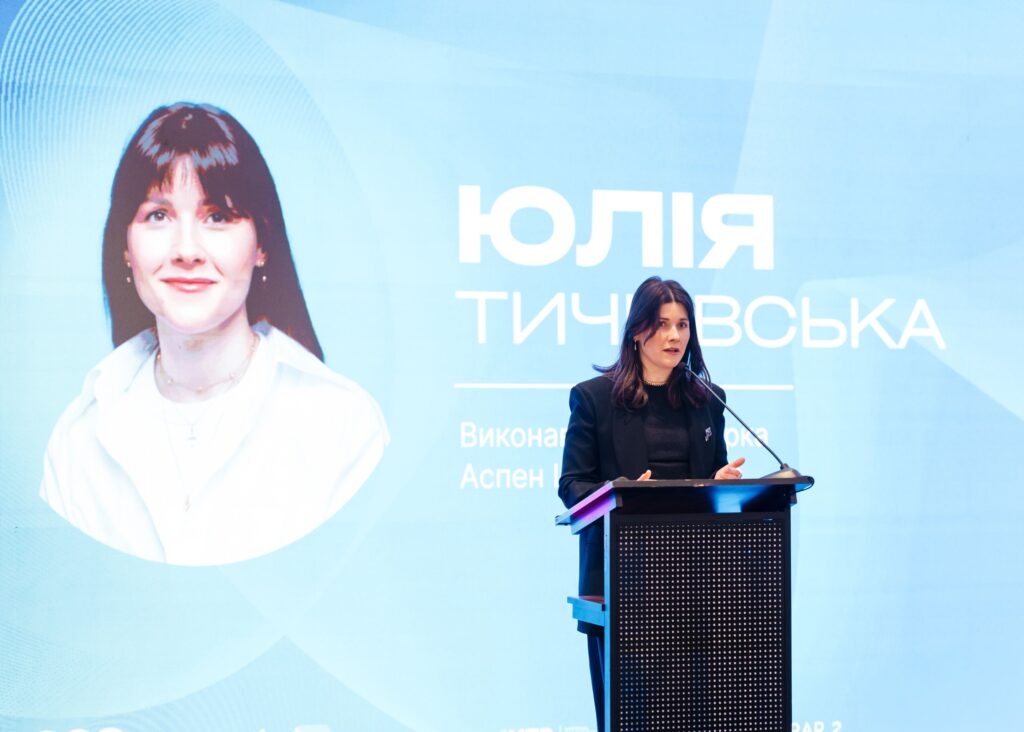
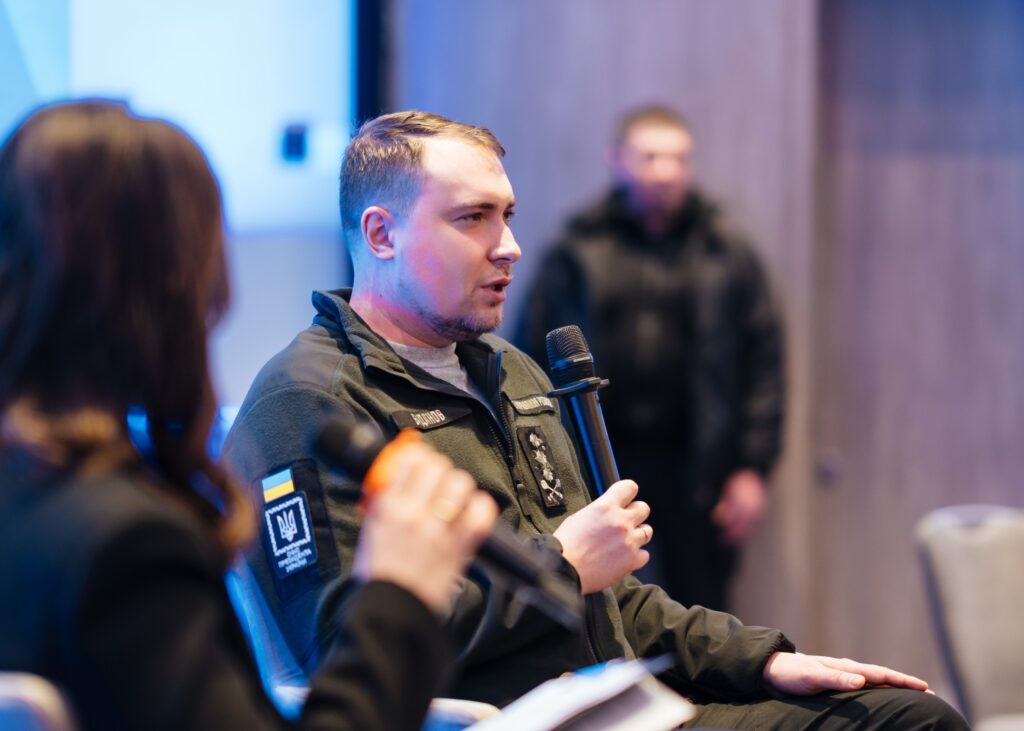
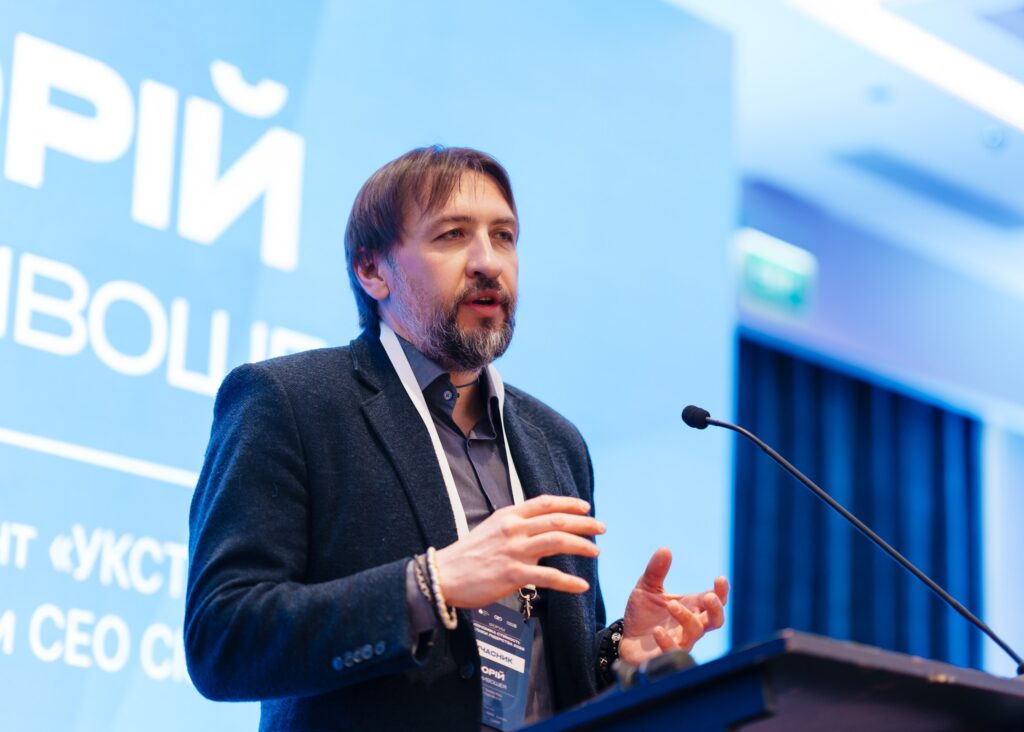
The event became a platform for a systemic conversation about what Ukraine’s leadership priorities should be in a year of growing uncertainty and geopolitical pressure. The discussions demonstrated a clear demand for a transition from anti-crisis response to the building of institutional maturity: 2026 must become a year of strong systems, not only strong individuals.
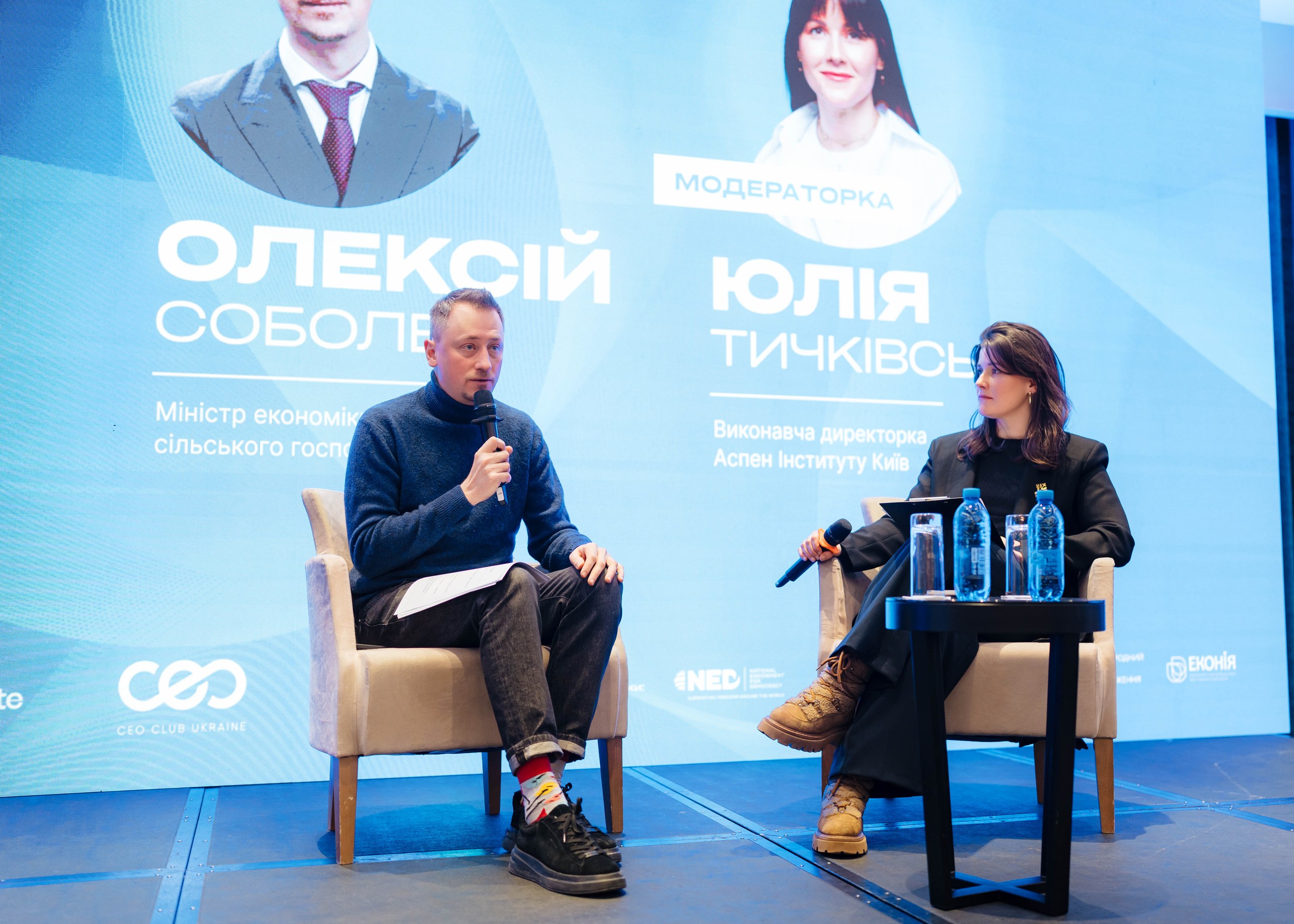
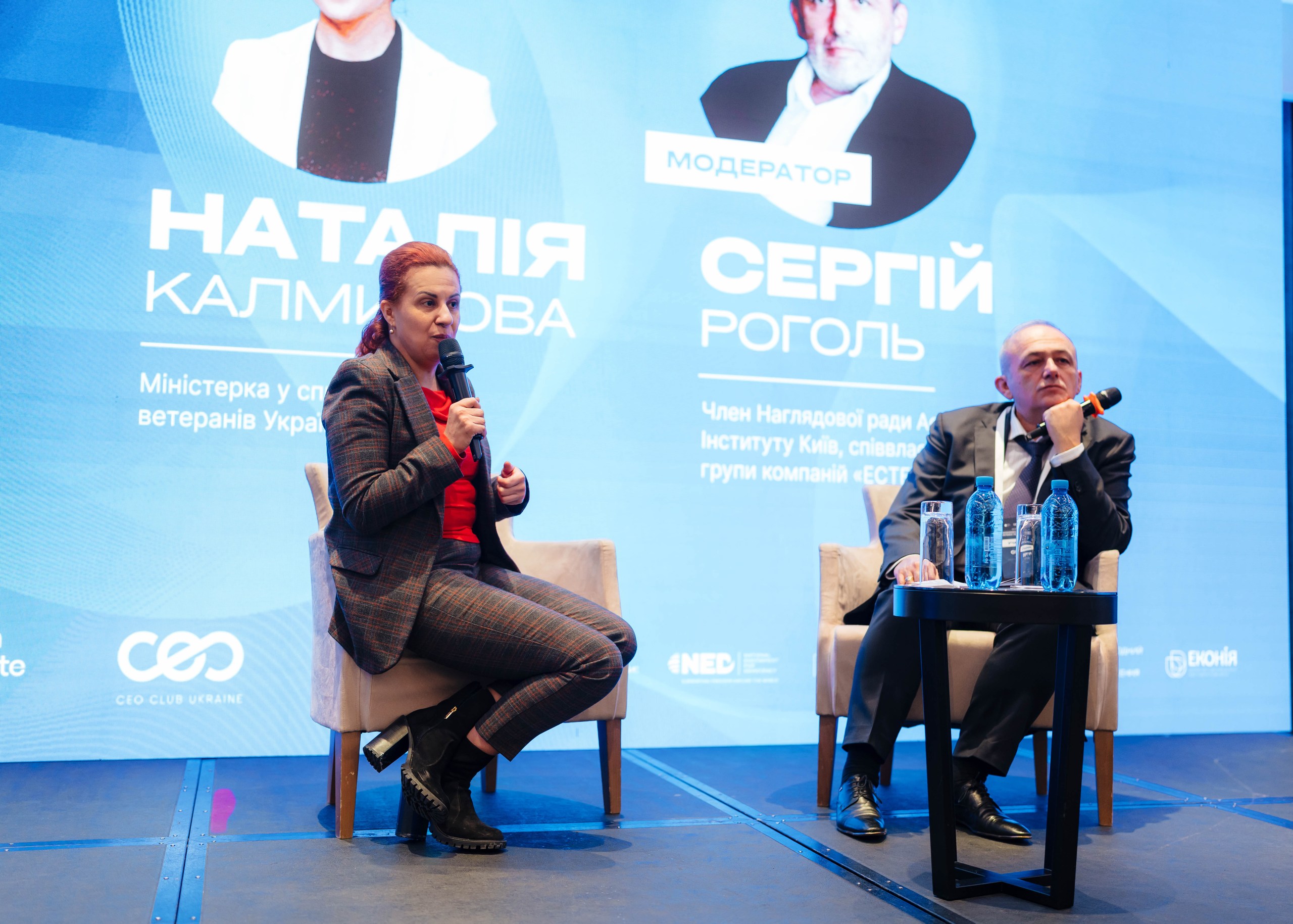

The first part of the event opened with a moderated conversation with Kyrylo Budanov, Head of the Office of the President of Ukraine, which set the strategic tone for the entire day. The framework of the discussion was also shaped by conversations with representatives of the current Government of Ukraine: Oleksii Sobolev, Minister of Economy, Environment and Agriculture of Ukraine; Nataliia Kalmykova, Minister for Veterans Affairs of Ukraine; Oksen Lisovyi, Minister of Education and Science of Ukraine; and Matvii Bidnyi, Minister of Youth and Sports of Ukraine.
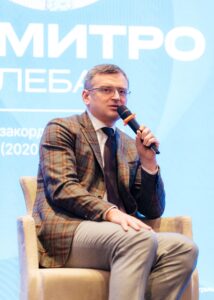
The international dimension of the conversation was strengthened by Dmytro Kuleba, Minister of Foreign Affairs of Ukraine in 2020–2024.
The discussions were moderated by Yuliya Tychkivska, Serhii Rohol, Yehor Hryhorenko, and Anton Drobovych.
Yevhen Hlibovytsky, CEO of the Frontier Institute, outlined a broader societal context and long-term perspective in his address.
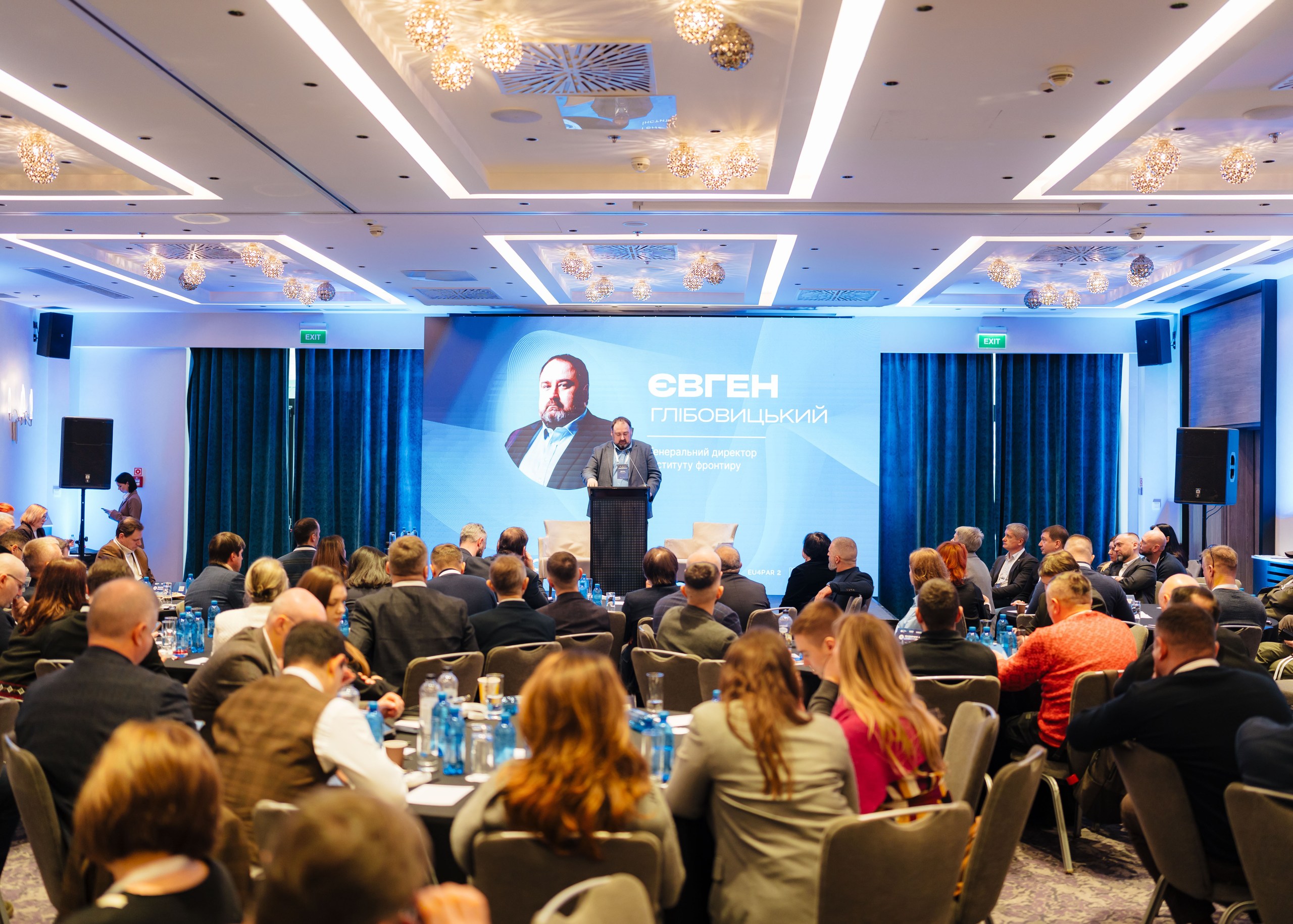
During the second block—the discursive panel “Key Leadership Challenges in 2026”—participants emphasized that strategic clarity, scenario planning (including a “Plan B”), and the state’s ability to rapidly adapt to changes in the security and international environment are critical for preserving sovereignty and economic capacity.
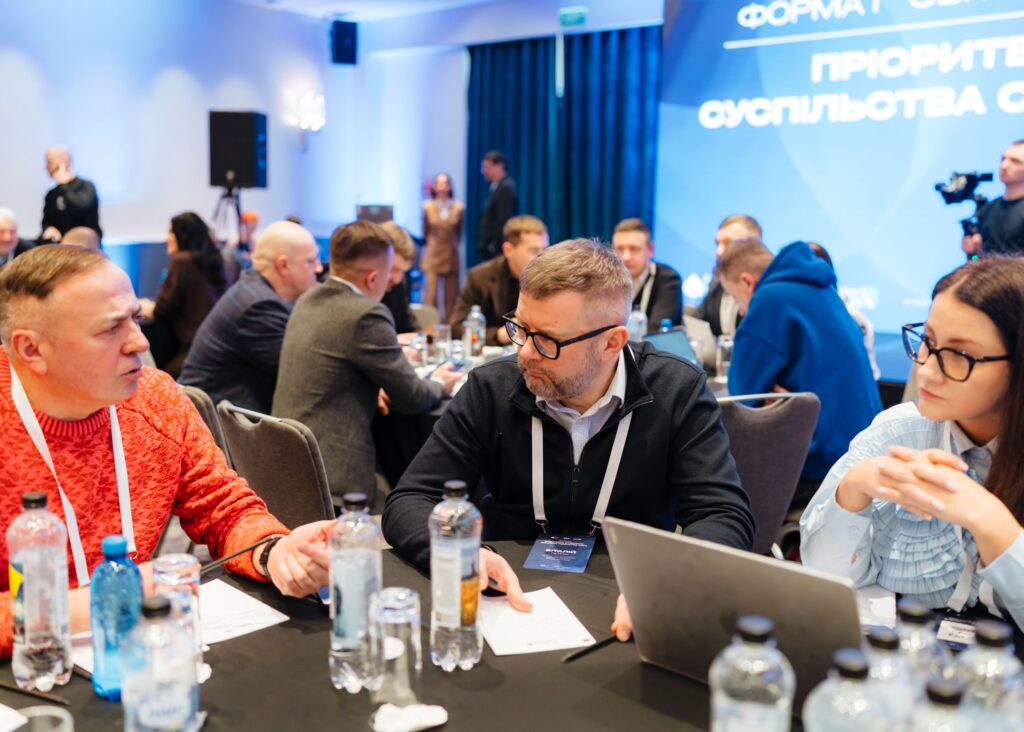
The third part of the Forum took place in a “World Café” format. Participants worked at thematic tables and then presented their concrete proposals.
The facilitators of the “World Café” were Deputy Ministers of Economy, Environment and Agriculture of Ukraine, as well as representatives of the relevant thematic areas. We thank the Ministry, and personally Oleksii Sobolev, for supporting the initiative to hold the Forum.
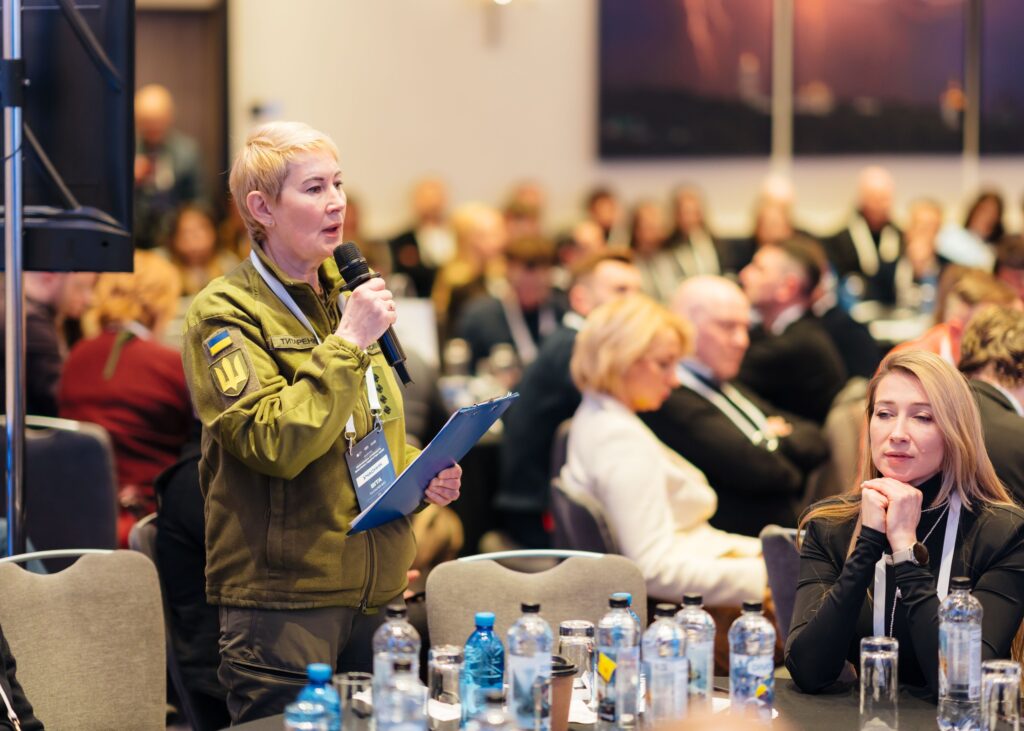
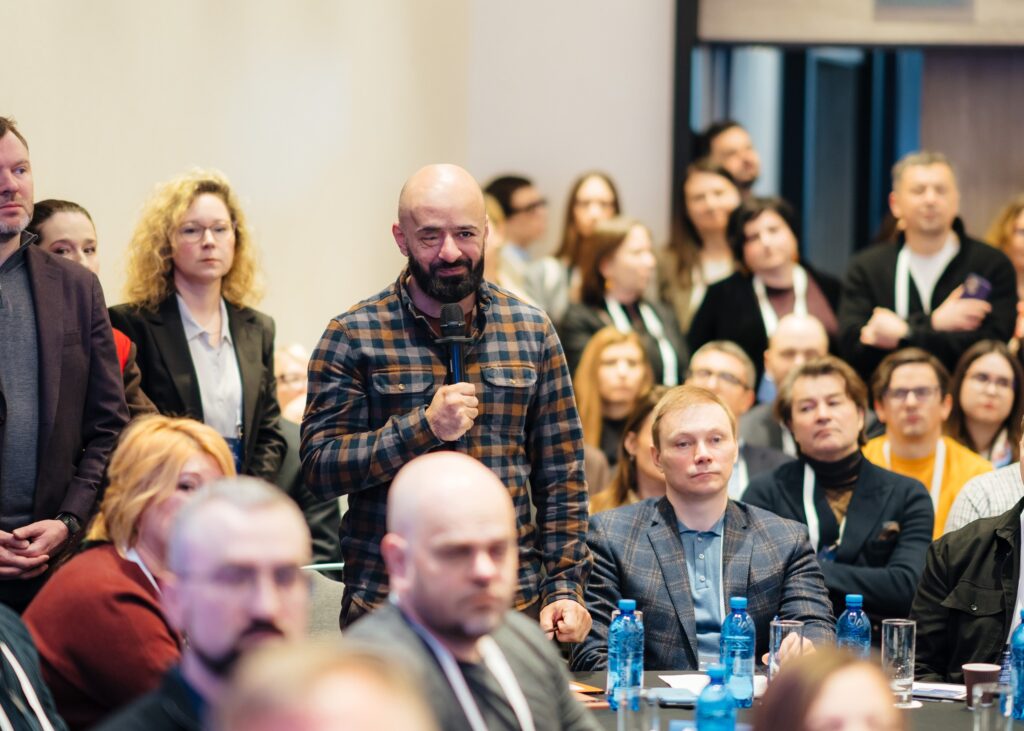
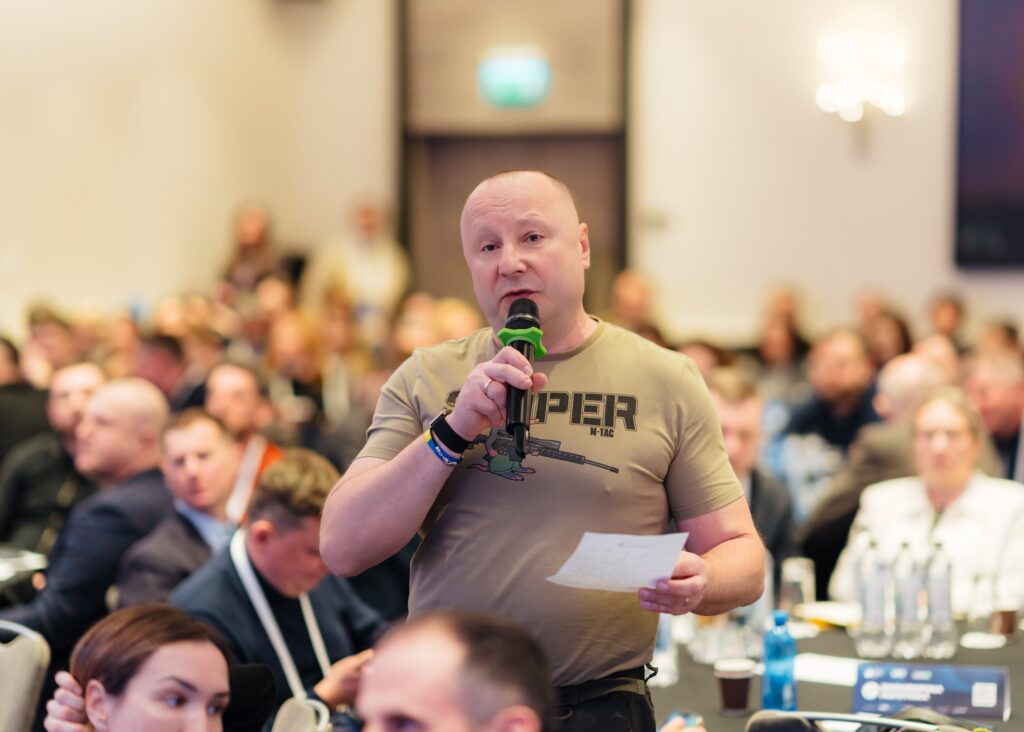
A separate block of leadership priorities concerned the rule of law and trust in institutions. This discussion addressed not only legislative reform but also a culture of rule enforcement—particularly the need for the real execution of court decisions, protection of property rights, transparent privatization procedures, and equal rules of the game for business. Participants called for the creation of a predictable, fast, and institutional “green corridor” for responsible businesses operating transparently. Without the final stage of justice—the actual enforcement of decisions—the economy cannot function fully, and investments remain in a zone of elevated risk.
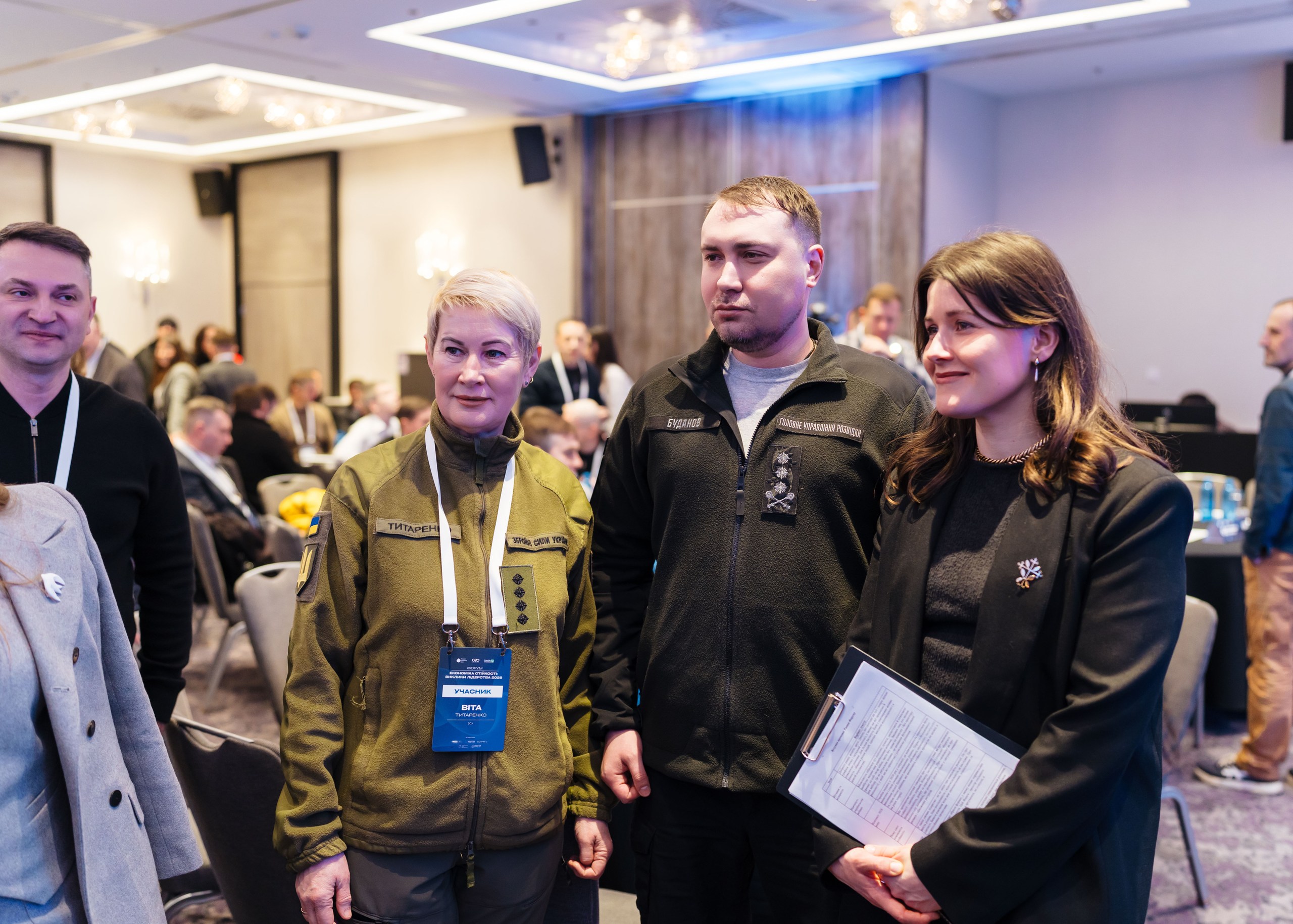
Significant attention was devoted to human capital—not only in terms of quantity, but above all quality. Among the priorities for 2026 are the development of concrete scenarios for the return of Ukrainians, the integration of registries of educational infrastructure with workforce shortages, reform of vocational education in cooperation with business, and a systemic policy for developing both hard and soft skills. A key thesis emphasized the need to combine investment in human capital with investment in social capital—the formation of sustainable horizontal communities that increase the return on these investments and reduce the risks of brain drain. Ukraine must think of itself as a “nation of veterans” and, at the same time, as a nation capable of transforming wartime experience into an export of knowledge and technology.
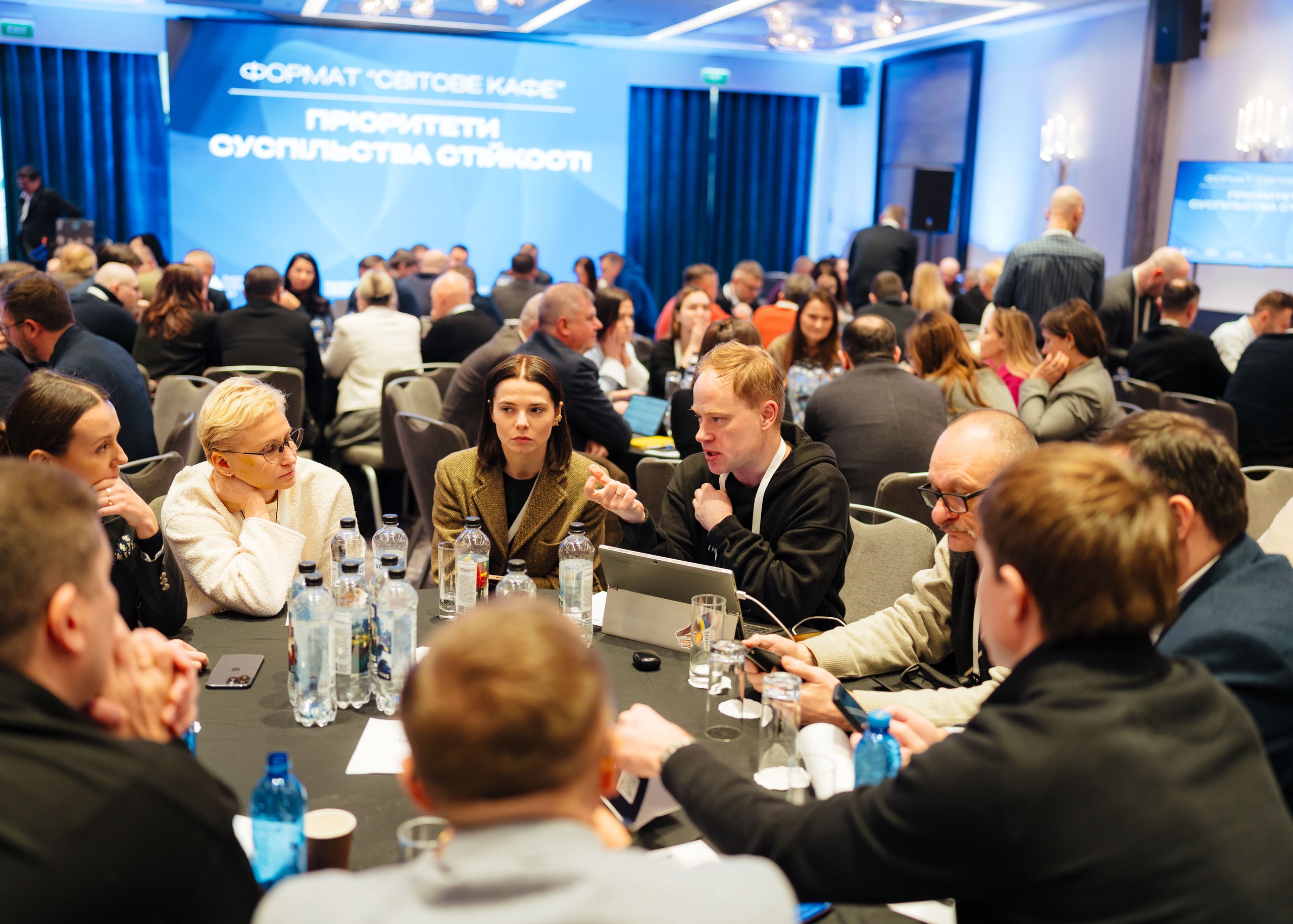
In the economic block, the focus was on de-shadowing the economy, access to financing, and protection of the national producer. Participants stressed that de-shadowing cannot be reduced to increasing the tax burden on legal businesses; instead, the state must demonstrate effectiveness in combating shadow practices and ensure fair competition. Concrete initiatives discussed included the introduction of a localization coefficient in strategic public tenders, revising approaches to the classification of war-affected but viable borrowers, expanding the instruments of the Export Credit Agency, and creating large-scale investment platforms capable of attracting international partners.
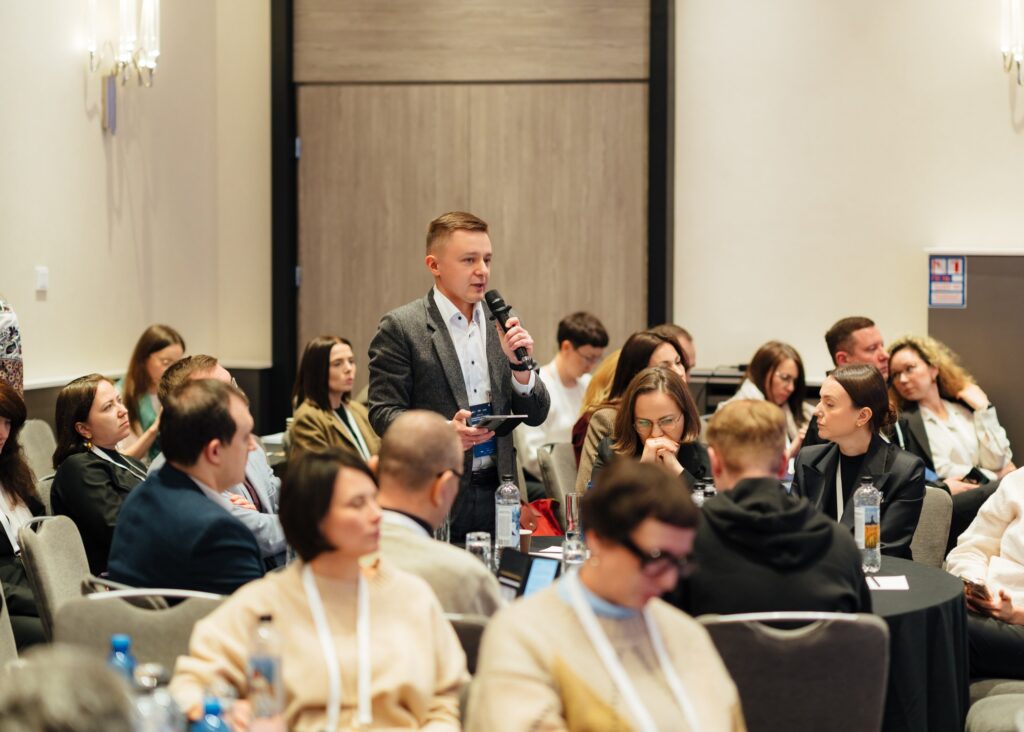
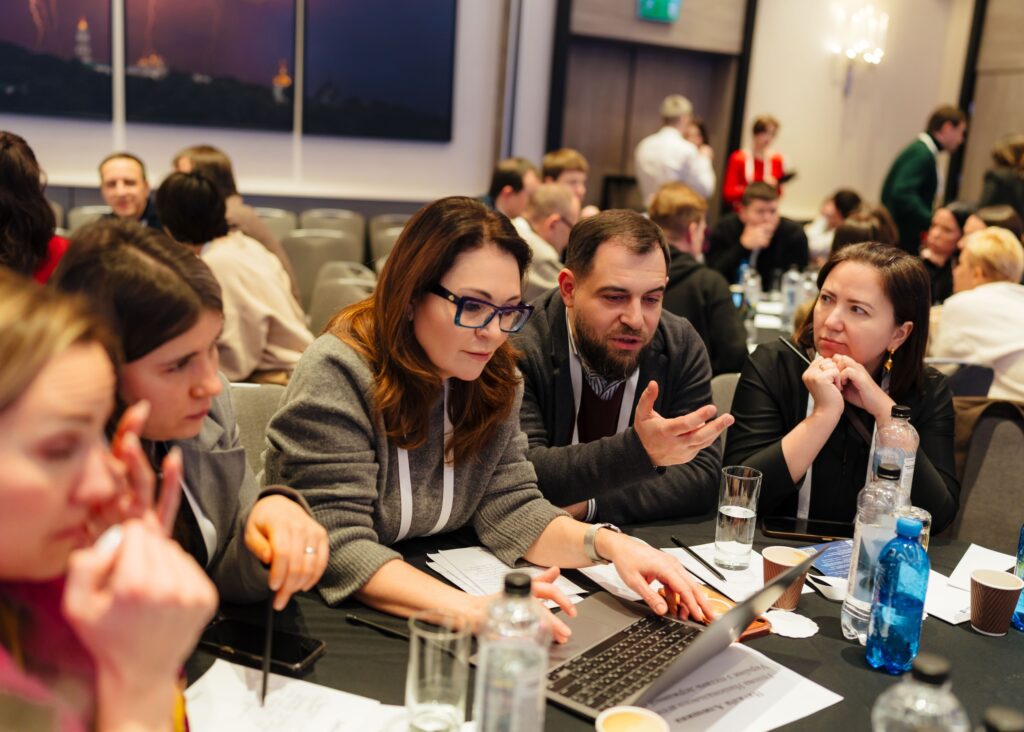

Finally, participants emphasized the role of media, creative industries, and civil society in shaping a shared narrative of resilience. Media must become not only retransmitters of news, but moderators of public sentiment, providers of analytics, and partners in promoting a culture of entrepreneurship, financial literacy, and responsible behavior.

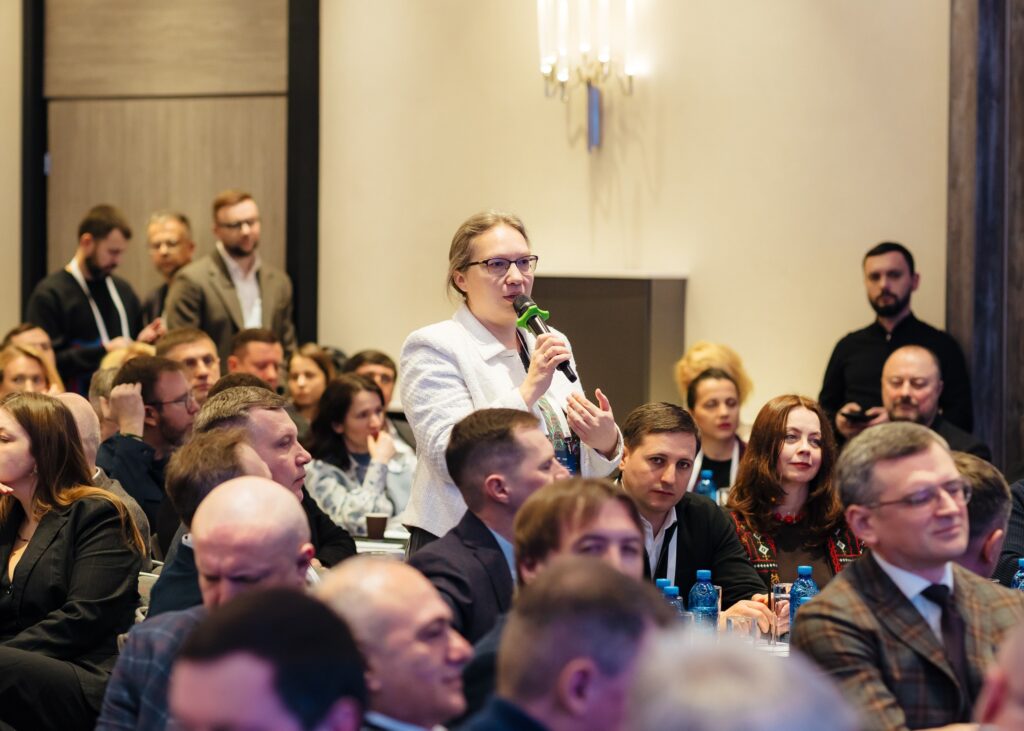
A cross-cutting priority repeatedly voiced throughout the Forum was the need to increase trust between the state and citizens—businesses, the military, civil society organizations, and professional communities. The economy is based on rational behavior and long-term planning, and such planning is possible only on the basis of facts, transparent data, and honest risk assessment, rather than illusions or situational expectations. Therefore, leadership in 2026 requires a focus on the real state of affairs in security, finance, social policy, and institutional capacity. Only through a shared understanding of reality and open communication between sectors can the most effective use of the resources of the state, business, and society as a whole be achieved.
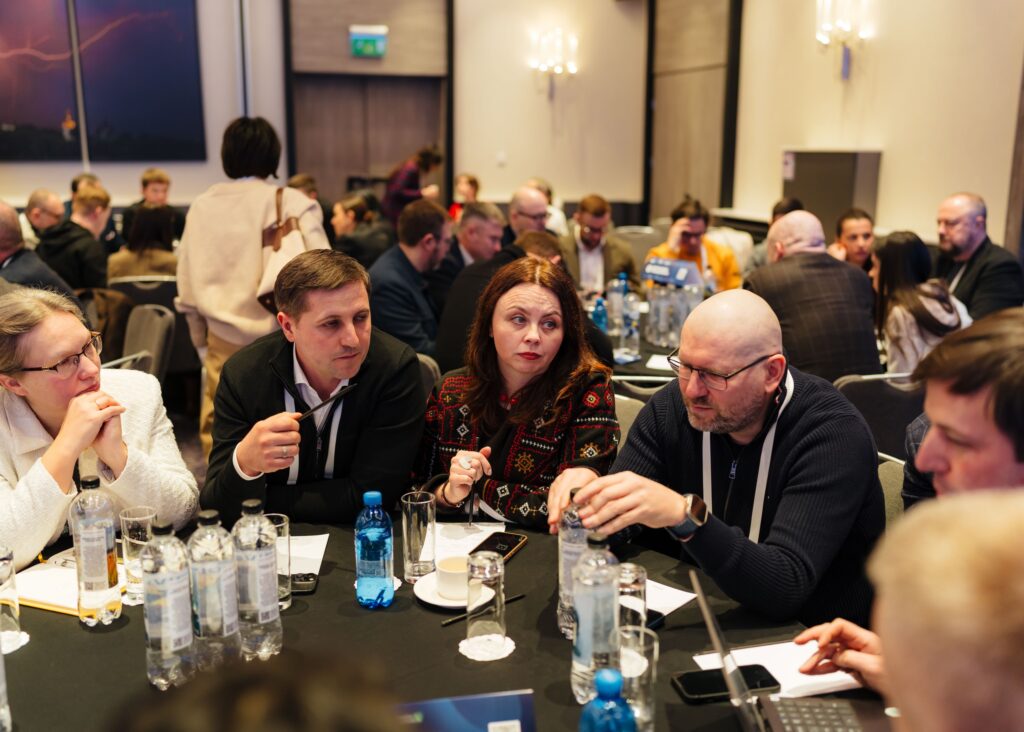
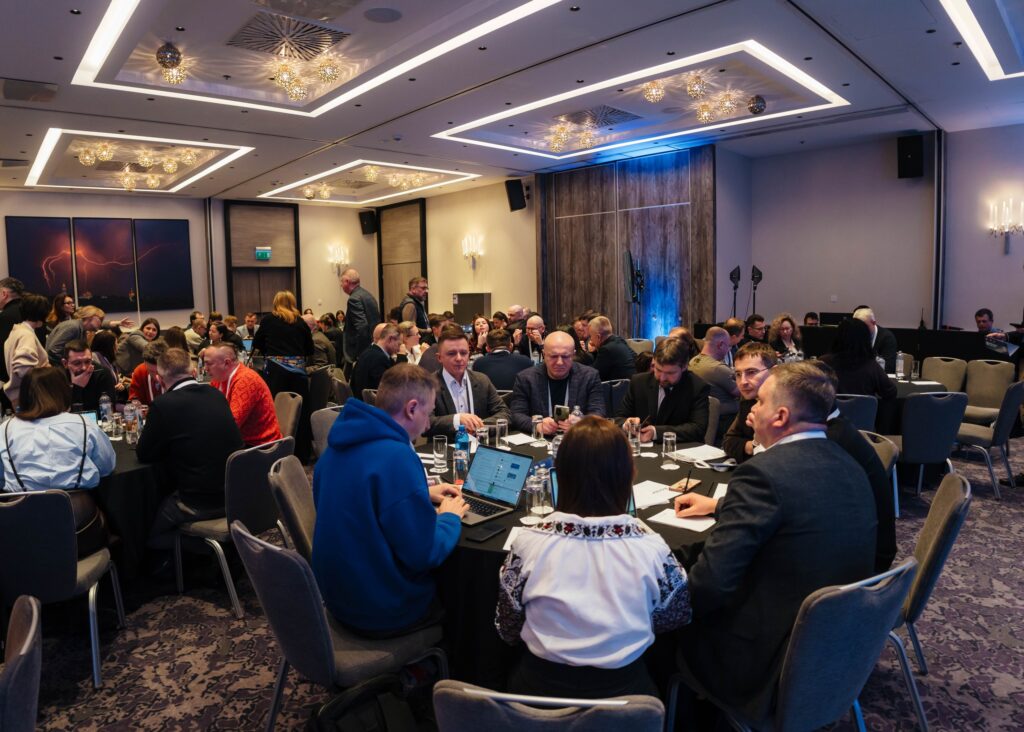
Leadership in 2026 means shaping agreed “rules of the game,” supporting cohesion, and institutionally thinking of Ukraine as an integrated system. According to the Forum’s conclusions, it is precisely this systemic approach that will determine the country’s ability not only to endure, but also to set new standards of development during the wartime and post-war period.
The event was held under the Chatham House Rule, enabling an open dialogue without personalization of statements. All theses, proposals, and decisions voiced during the Forum were submitted for further elaboration and will be summarized in a discursive protocol.
Aspen Institute Kyiv continues to create a space for cross-sectoral dialogue aimed at forming a shared vision of Ukraine’s future.
The Forum was coordinated by Olena Fomina, Policy Program Director at Aspen Institute Kyiv.
The event was held with the support of NED (National Endowment for Democracy), the International Renaissance Foundation, the EU Project “Continued Support to Comprehensive Reform of Public Administration in Ukraine” EU4PAR2, and Econia.