


The Aspen Community Explored the Story Behind the Revival of Dmytro Bortniansky’s Opera Creonte
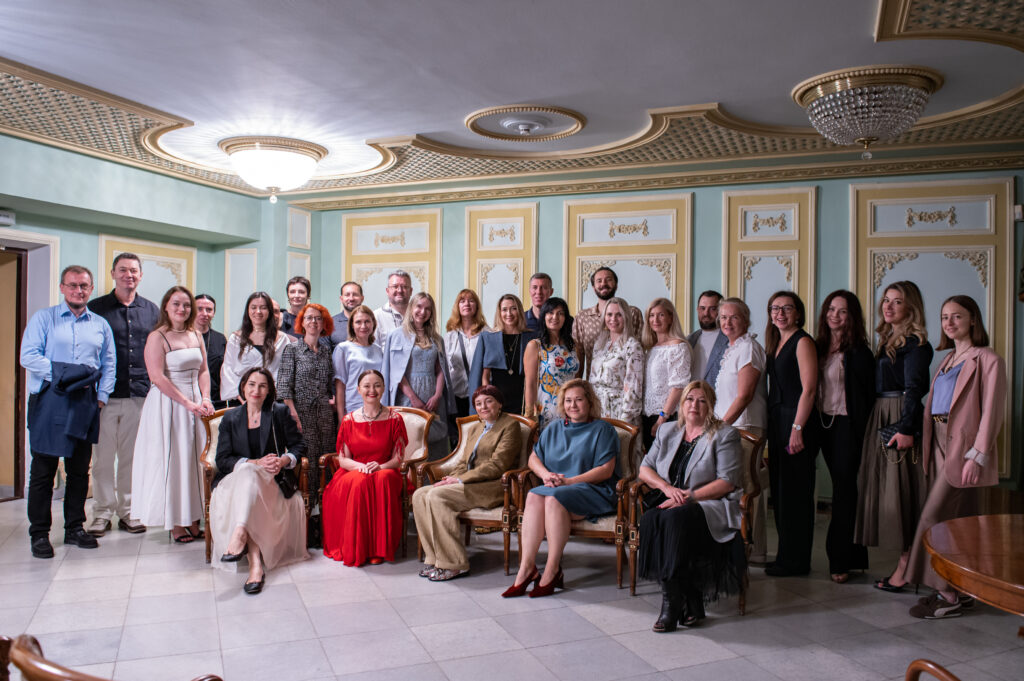
An opera whose score had been considered lost for more than 200 years, an ancient story familiar to Aspen seminar participants, and the revival of an important part of Ukraine’s musical heritage — these were at the heart of a special gathering of the Aspen community ahead of a concert performance of Dmytro Bortniansky’s Creonte.
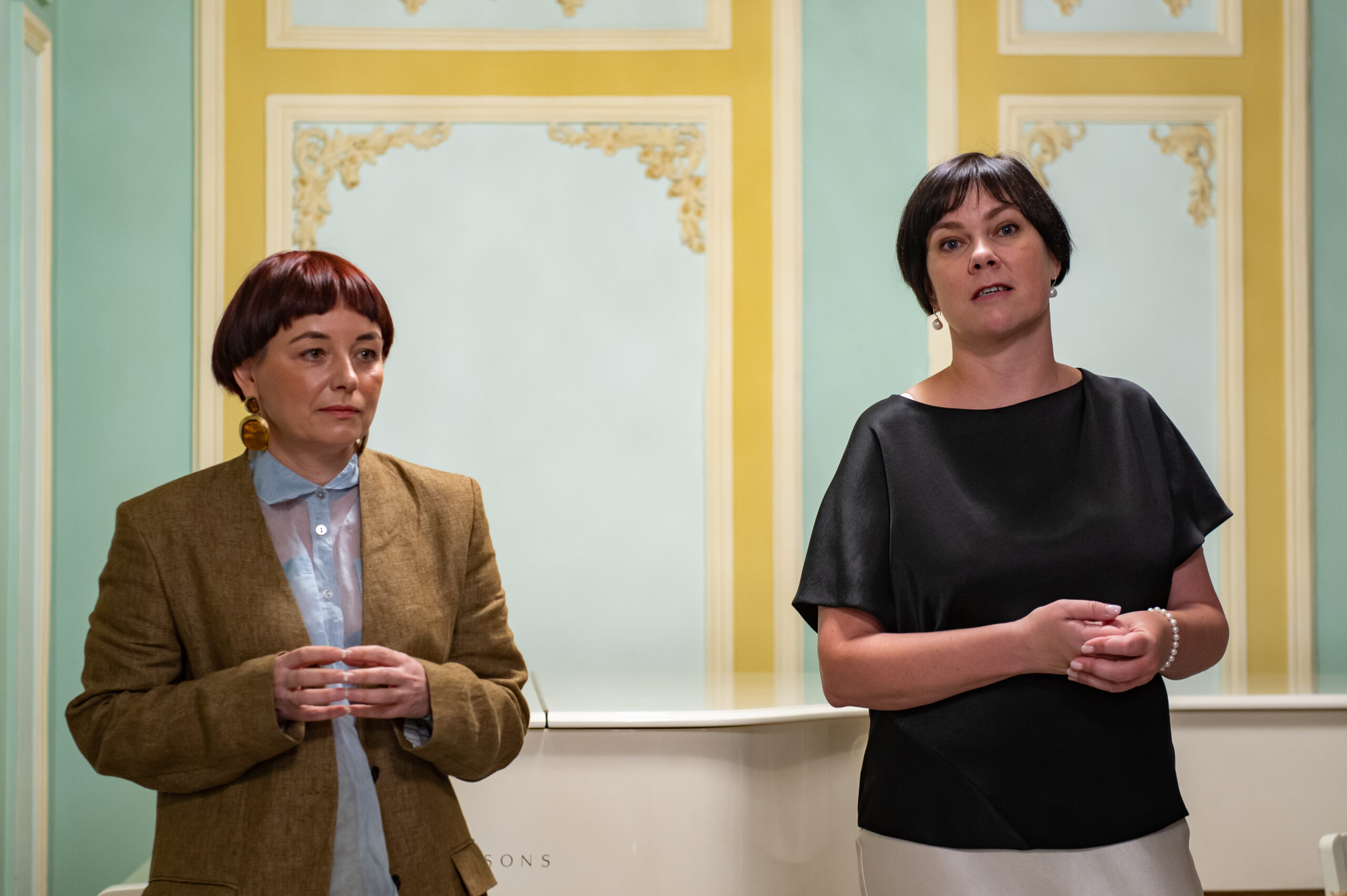
The meeting was initiated by Aspen community member Halyna Hryhorenko, producer at OPEN OPERA UKRAINE and of the project Creonte XVIII/XXI: Fate, Choice, or the Choice of Fate?
For the Aspen community, the story has a special connection to the Institute’s seminar tradition: the opera’s libretto is based on the ancient story of Creon and Antigone — characters from Sophocles’ tragedy well known to participants of Aspen seminars.
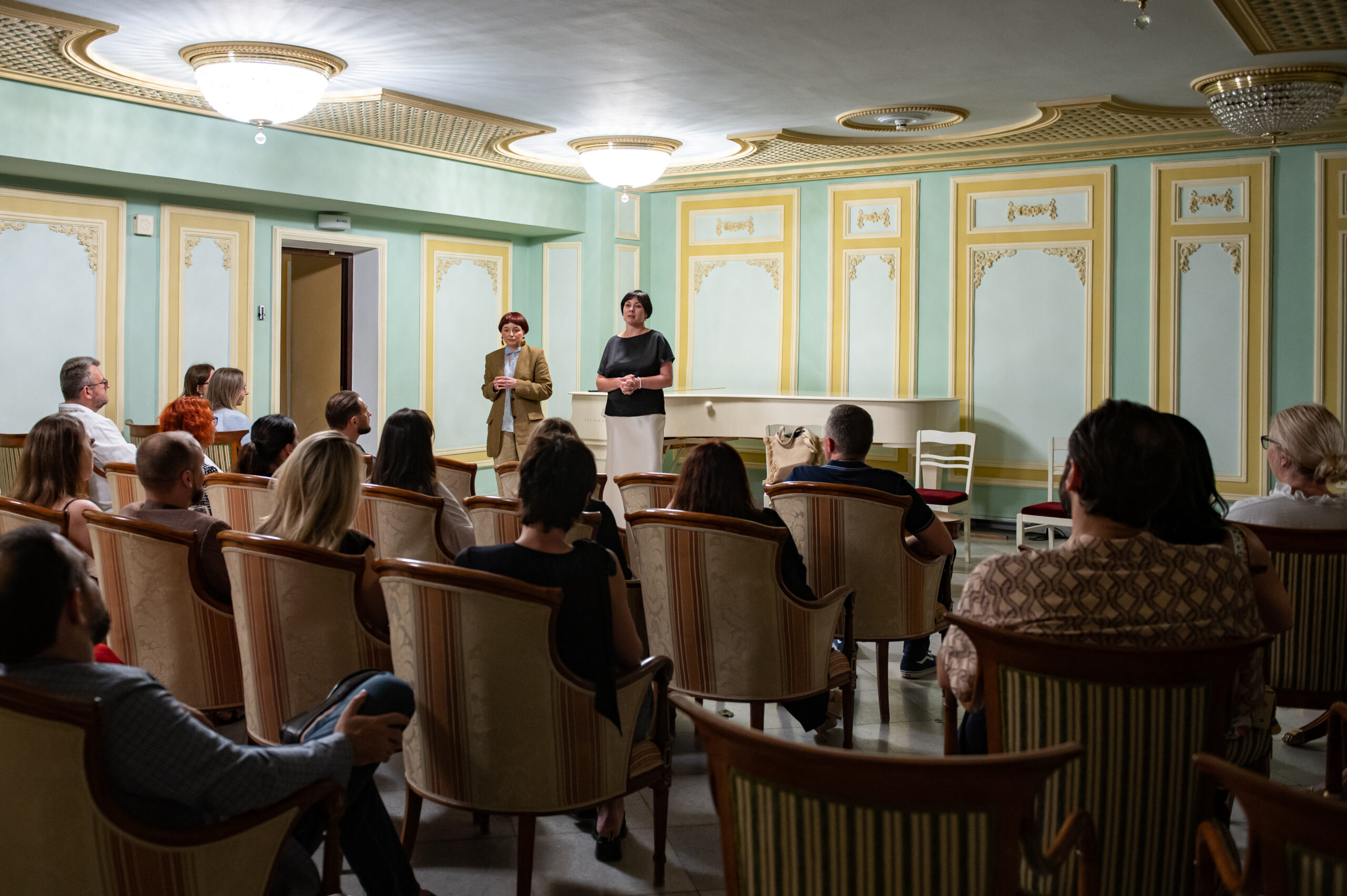
Together with the project’s artistic director, musicologist and OPEN OPERA UKRAINE Program Director, Aspen community member Anna Hadetska, participants went behind the scenes of the extensive scholarly and artistic work involved in bringing back one of the most intriguing Ukrainian operas of the 18th century.
Creonte was Dmytro Bortniansky’s first opera, composed and staged in 1776 at Venice’s prestigious Teatro San Benedetto. After its premiere, the score was considered lost for more than two centuries. It was only in 2023 that Olha Shumilina, Doctor of Arts Studies, discovered the manuscript at the Biblioteca da Ajuda in Portugal.
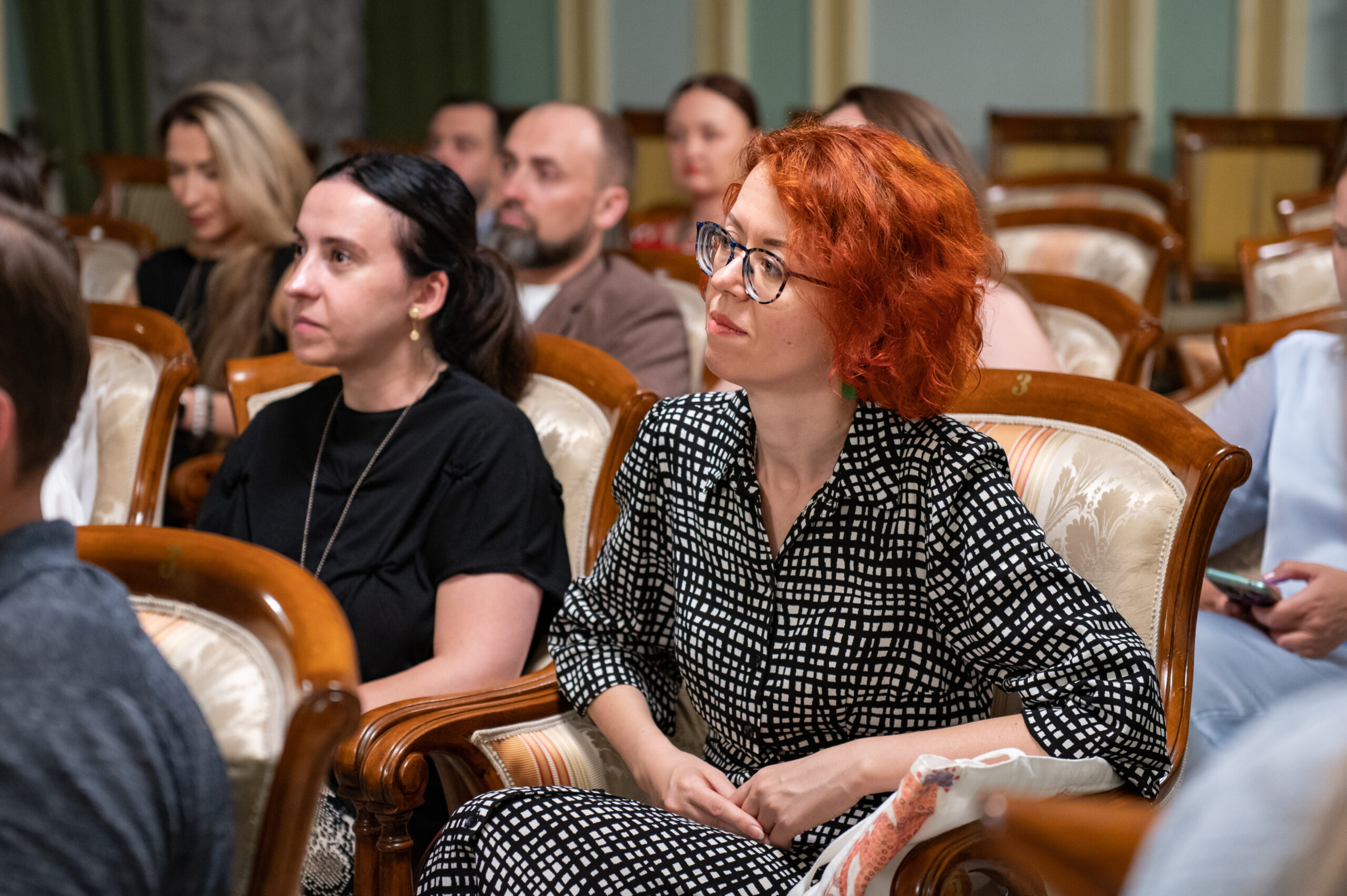
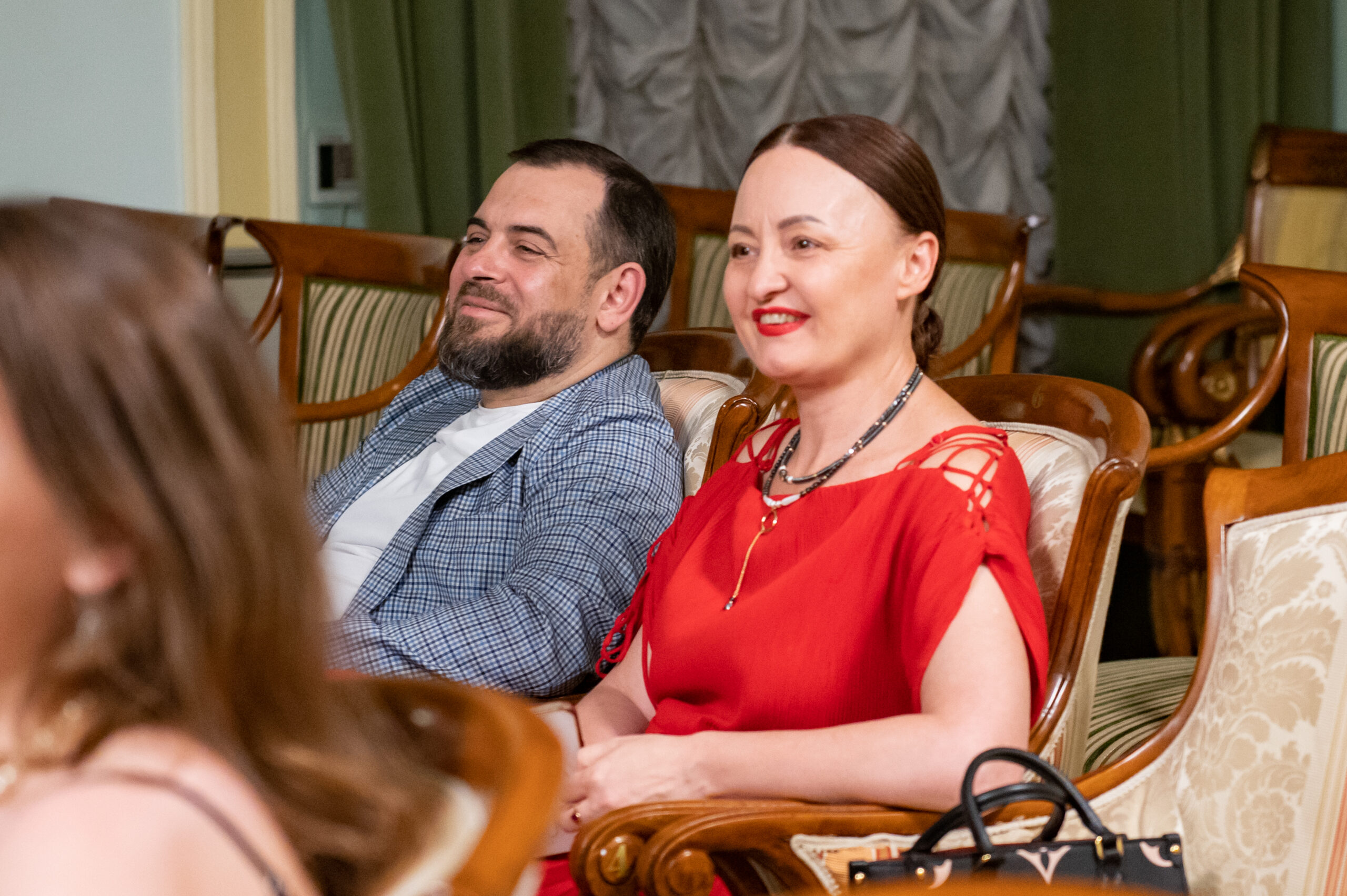
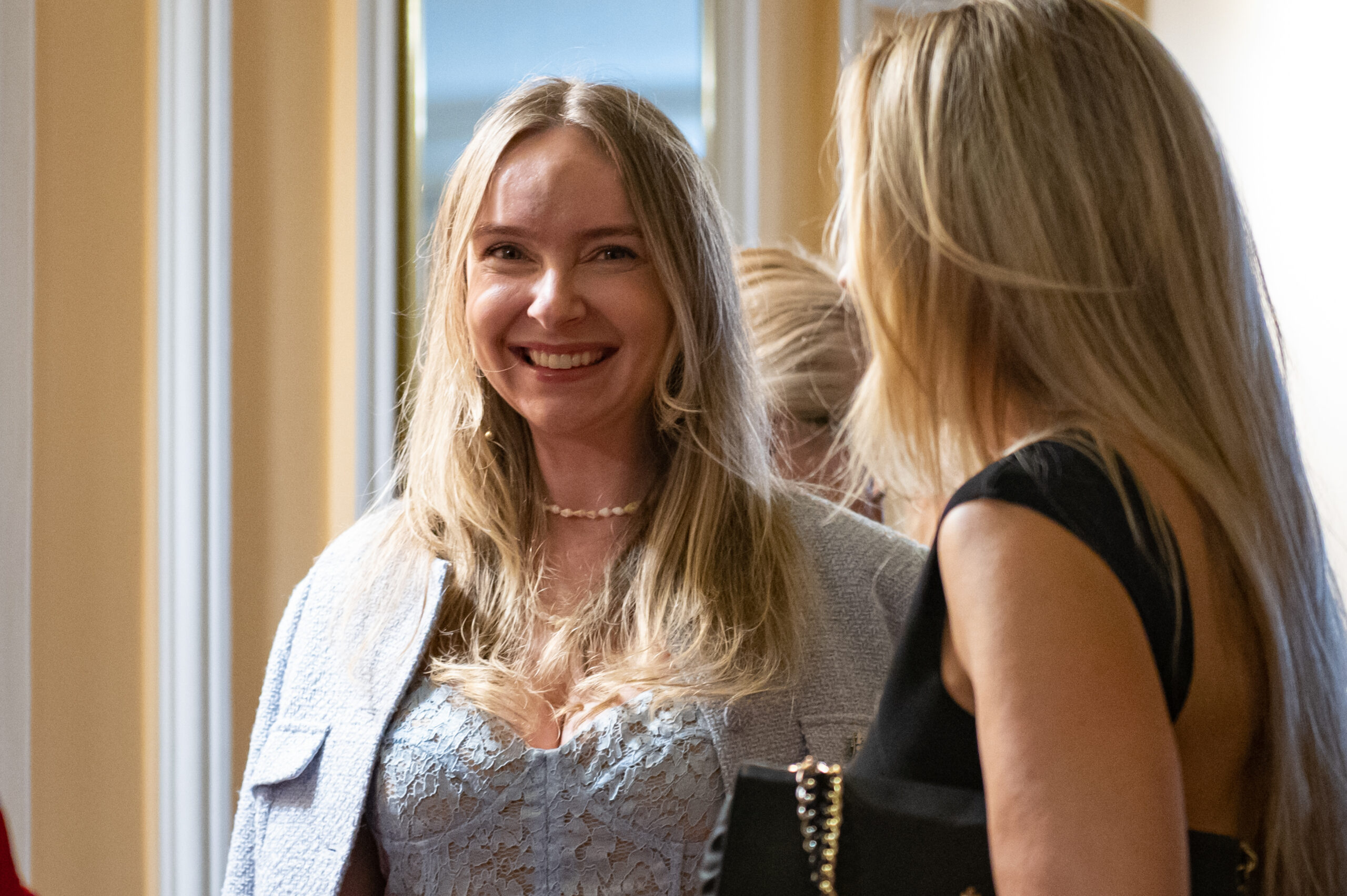
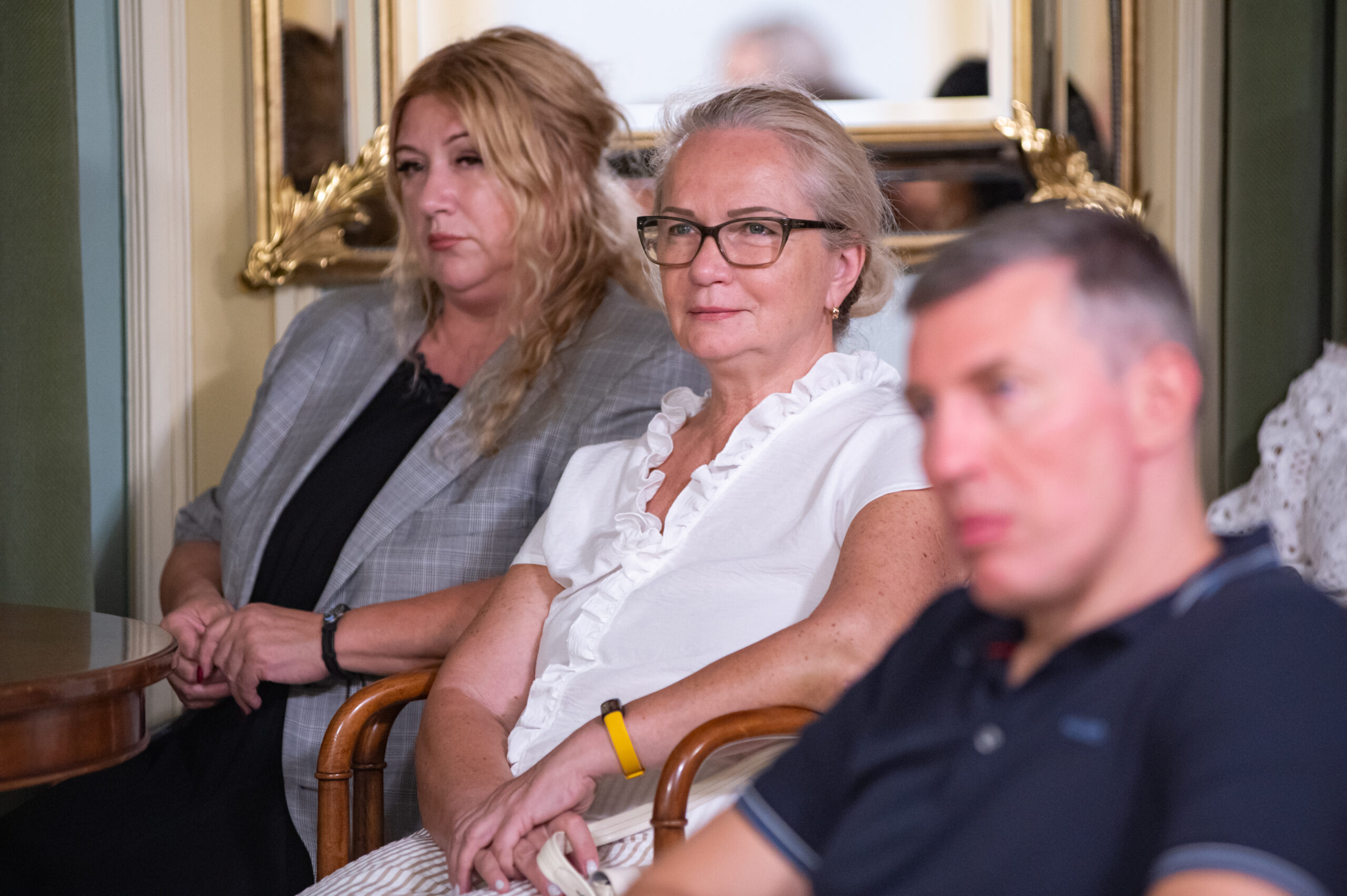
During the meeting, participants heard the almost detective-like story of the search for the score and learned about its scholarly reconstruction, the distinctive features of Baroque opera, and historical performance practices. The conversation also explored the place of Ukrainian music within the broader European cultural heritage and traced Creonte’s journey from its 18th-century Venetian premiere to its return to the contemporary Ukrainian stage.
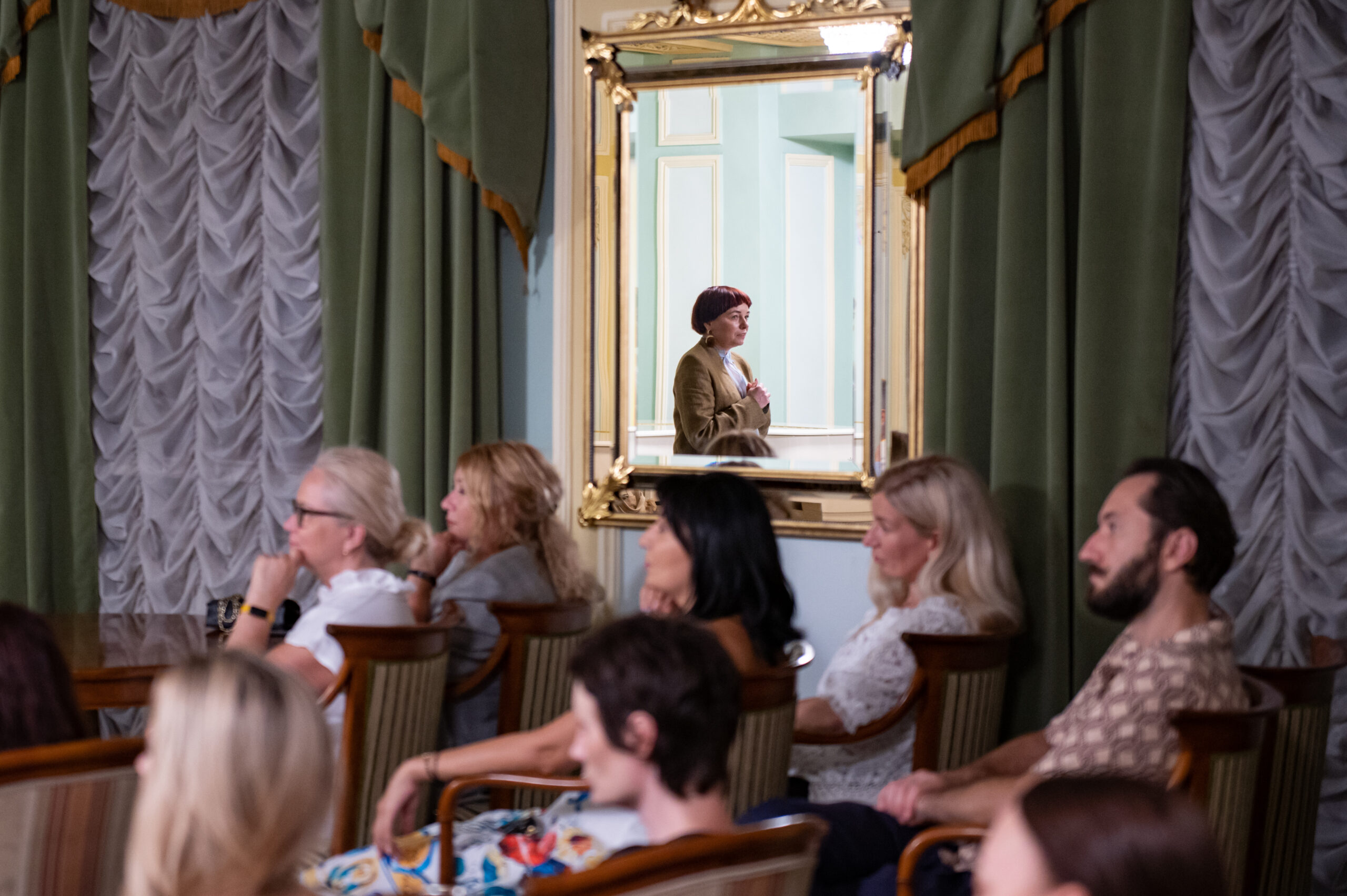
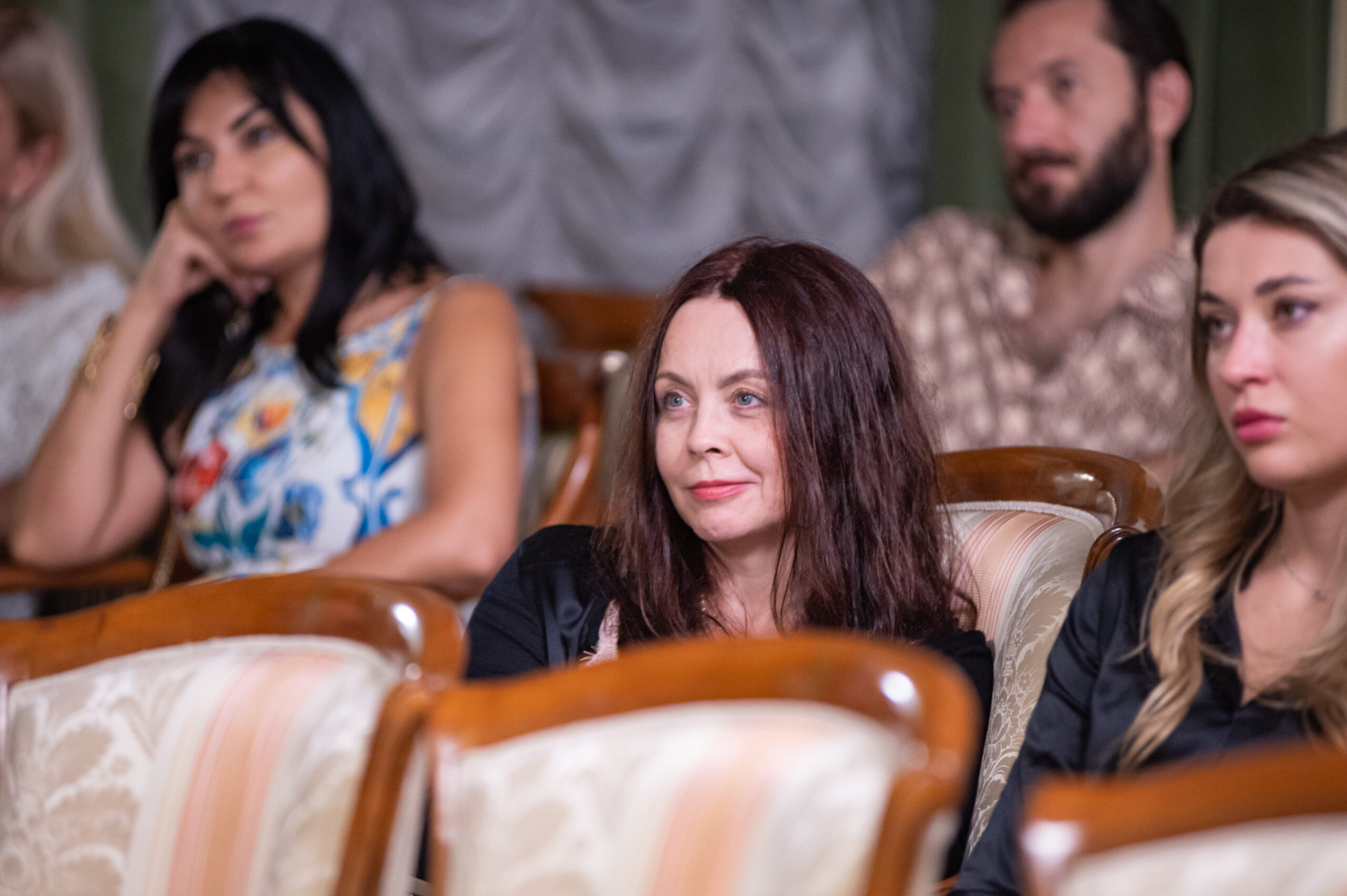
One of the opera’s distinctive features is its predominantly major-key musical language despite the tragic events of the story. This reflected the operatic aesthetics of the period and contemporary ideas about the expression of noble emotions. The same tradition shaped the opera’s happy ending, in which mercy and nobility ultimately prevail.
Following the meeting, participants attended a concert performance of Creonte at the Column Hall of the National Philharmonic of Ukraine, featuring the orchestra and choir of Liatoshynskyi Capella and Ukrainian soloists.
The project team also announced plans for a full stage production of Creonte next year, with the Aspen community set to contribute to bringing the opera to the stage.
We thank Halyna Hryhorenko and Anna Hadetska for initiating and organizing this gathering, and the entire project team for their work to revive an important part of Ukrainian and European musical heritage.
Photo: Valeriia Landar