Ukraine Shares Its Experience in Developing Youth Sports Amid War at the Project Play Global Meeting
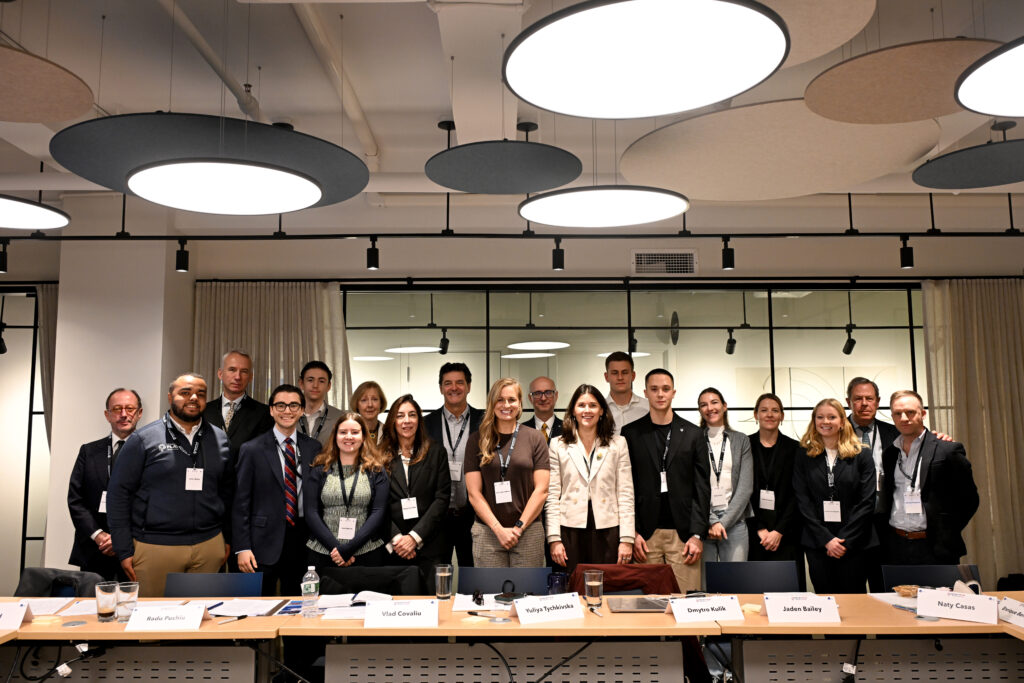
How can we make sports accessible to all children and young people, regardless of their abilities, where they live, or their personal circumstances? And how can we ensure access to sports even in times of war?
On November 4–5, New York hosted the Project Play Global Meeting, an international gathering dedicated to the development of children’s and youth sports. Ukraine was represented by Yuliya Tychkivska, Executive Director of the Aspen Institute Kyiv, and Dmytro Kulik, Chief Specialist of the International Cooperation Division within the International Affairs Department of the Agency for Mass Sports of Ukraine, who joined the meeting as Ukraine’s youth representative.
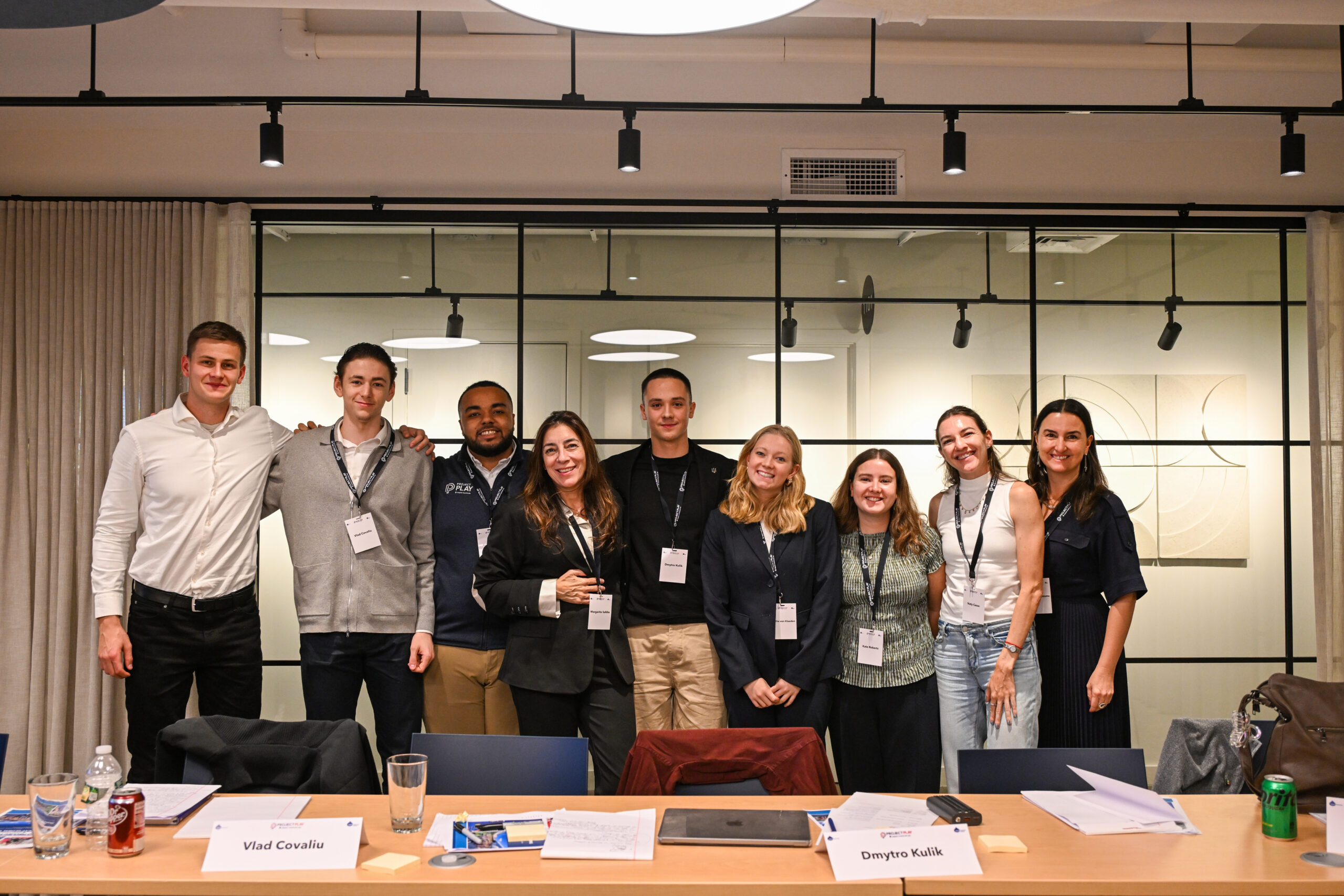
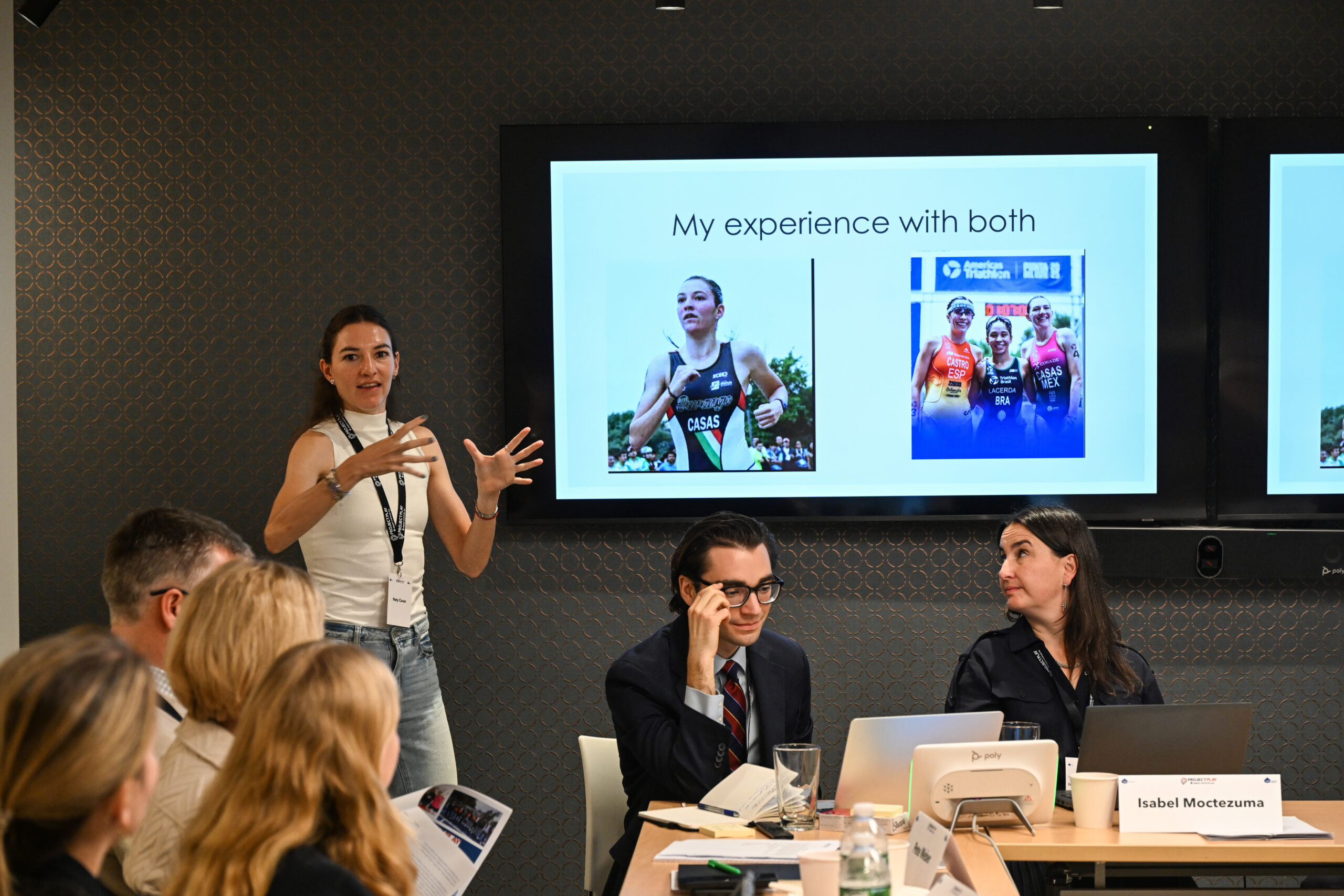
Organized by the Aspen Institute Mexico and the Aspen Institute’s Project Play initiative, the meeting brought together representatives from nine countries: Germany, Italy, Mexico, Romania, the Czech Republic, Ukraine, the United Kingdom, the United States, and Colombia. Leaders and youth representatives explored opportunities to develop children’s and youth sports, exchanging experiences and ideas on how to improve their accessibility and quality.
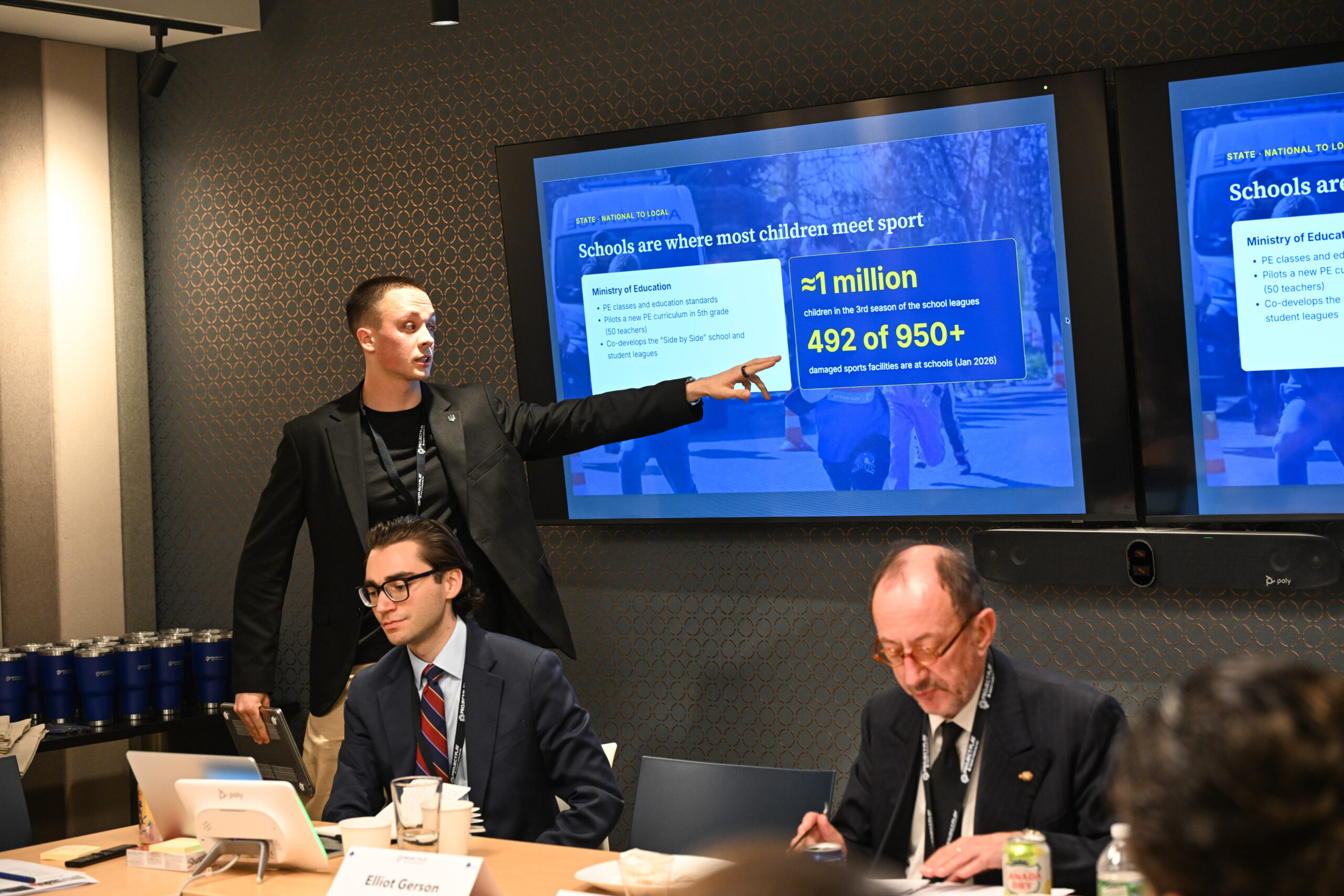
Dmytro presented Ukraine’s national sports system and shared examples of initiatives that continue to operate during the war. He spoke about the role of Olympic champions in encouraging physical activity and the achievements of Ukrainian athletes at the Deaflympics. He also highlighted the destruction of sports infrastructure caused by the war and its impact on the physical and mental health of Ukrainians.
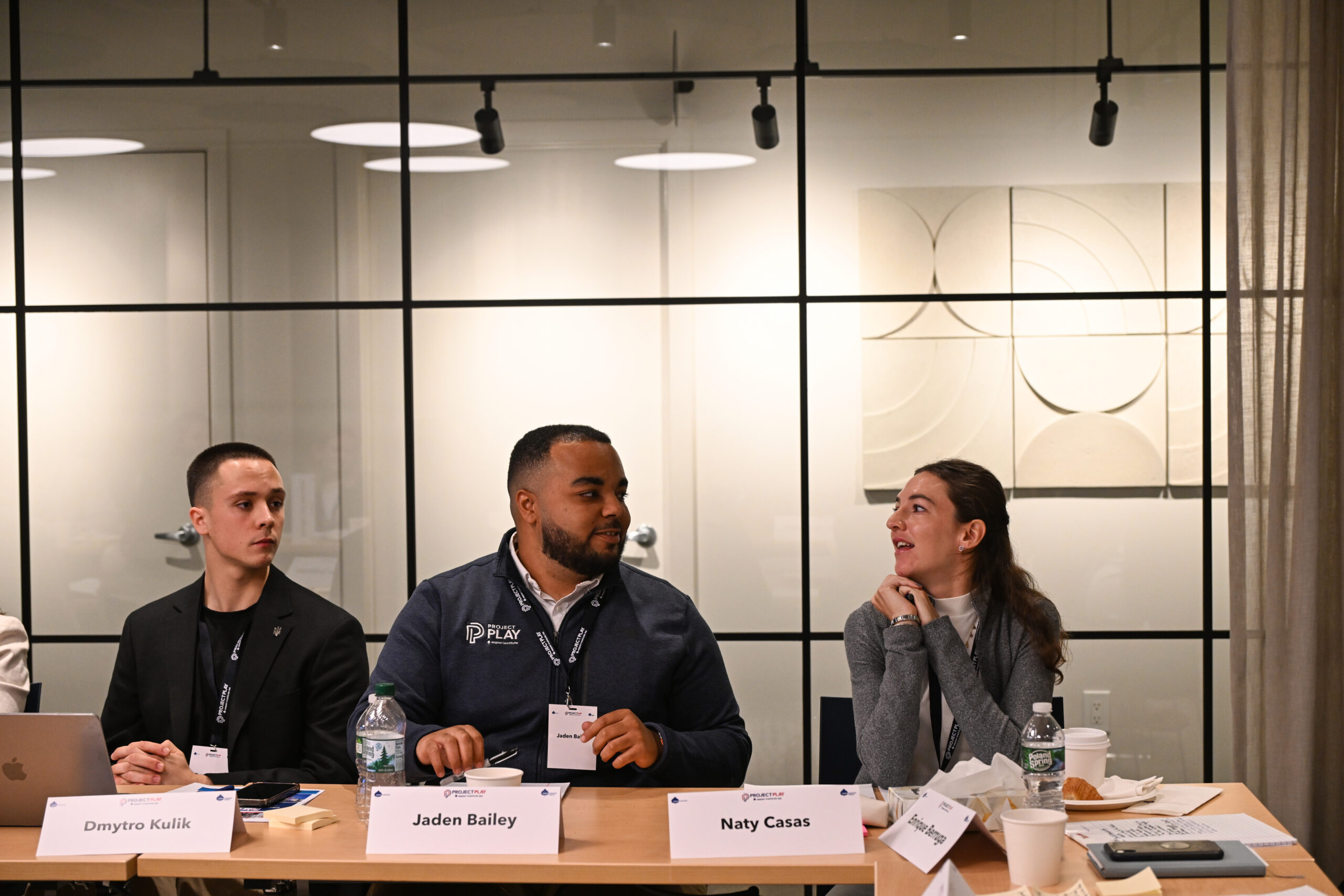
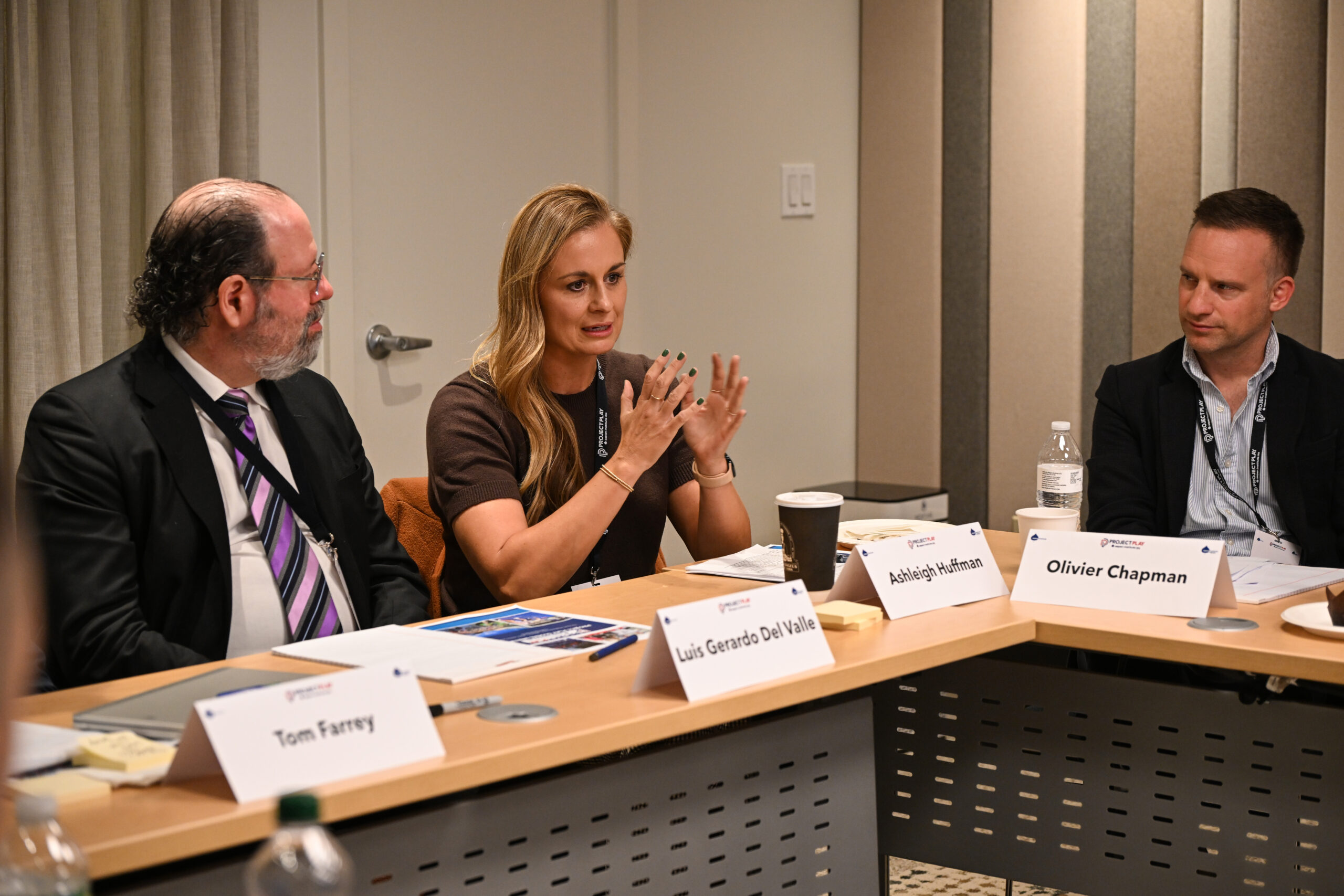
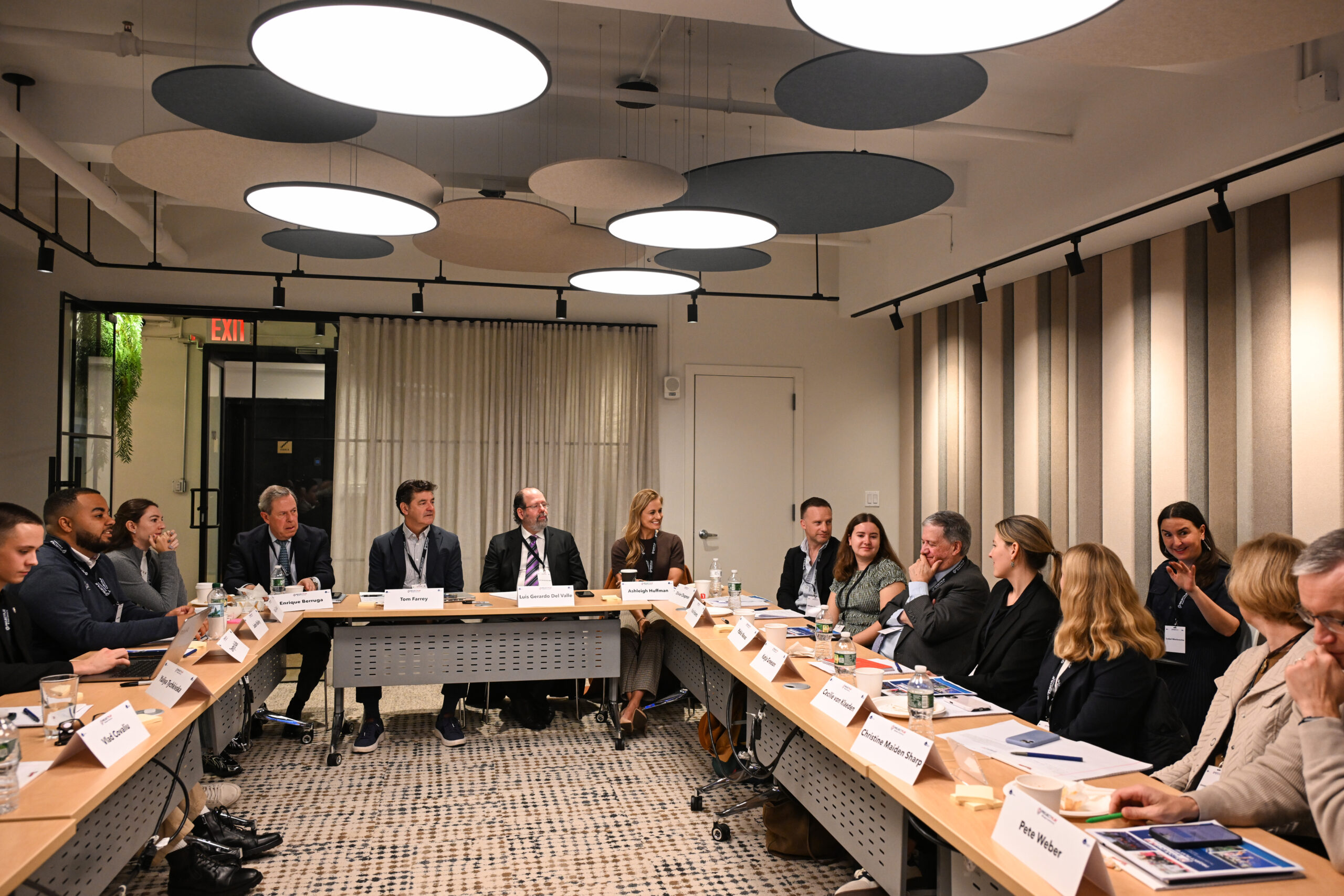
During a dedicated leadership seminar, young participants discussed Cristina Peri Rossi’s short story The Runner Stumbles, about a runner who suddenly stops to look at the sky just as he is about to set a world record.
“My colleagues from other countries saw the runner as someone who, despite the constant pressure and responsibility to deliver results, dared to take a break. He knew he would come first anyway, yet he chose to stop. I, on the other hand, saw a reflection of Ukraine in him. No one promises us that we will come first, so we simply keep running and rarely stop to look at things from a different perspective. Perhaps that is why we are still standing and delivering results. Or perhaps we have simply forgotten what it feels like to live in calmer times.”
Among the practical ideas shared at the meeting, one proposal from the Romanian representative particularly resonated with Dmytro: eliminating rankings in children’s sports for those under the age of 12 and recognizing every participant. This approach would allow children to enjoy playing, explore different sports, and participate without fear of losing.
“Our partners are looking for ways to make sports even better for children. We are trying to figure out how to keep sports alive at all, as Russia strikes educational facilities and sports infrastructure every day. That is why it is important to be part of these conversations: so that the world does not forget the price Ukrainian children are paying. I returned from New York with new connections, warm memories, and the conviction that Ukraine’s voice truly needs to be heard here.”
We thank Dmytro for sharing Ukraine’s experience and his personal reflections, and for bringing back new ideas for the development of children’s and youth sports in Ukraine. We are also grateful to our international partners for the opportunity to continue this conversation together and for listening to the voices of young Ukrainians.