

What Should Labour Relations in Ukraine Look Like in Times of War, Post-War Recovery, and European Integration?
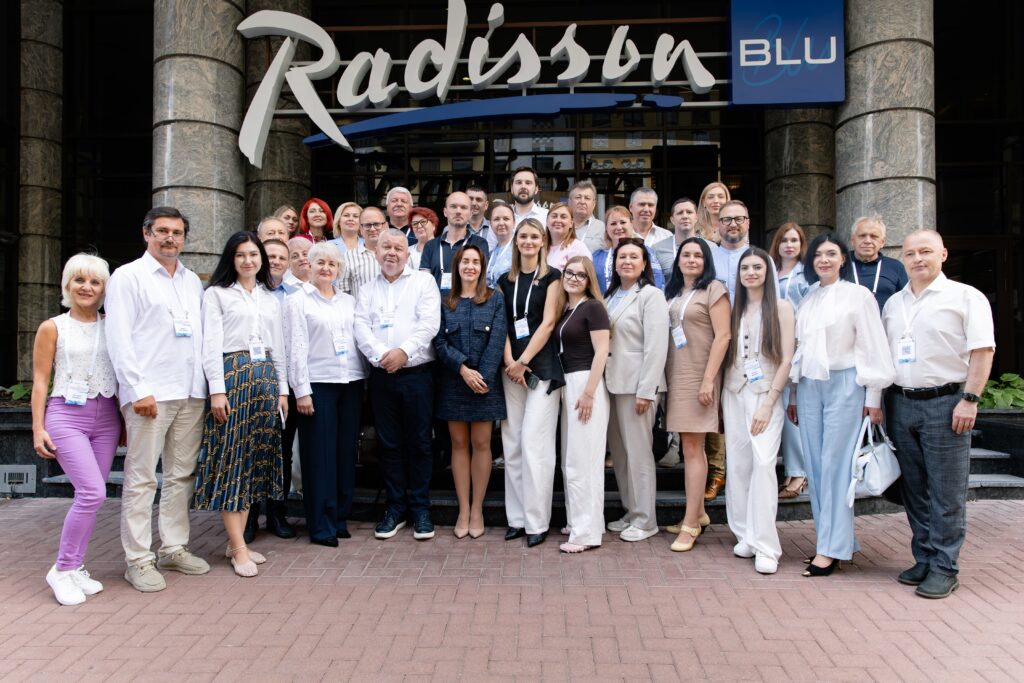
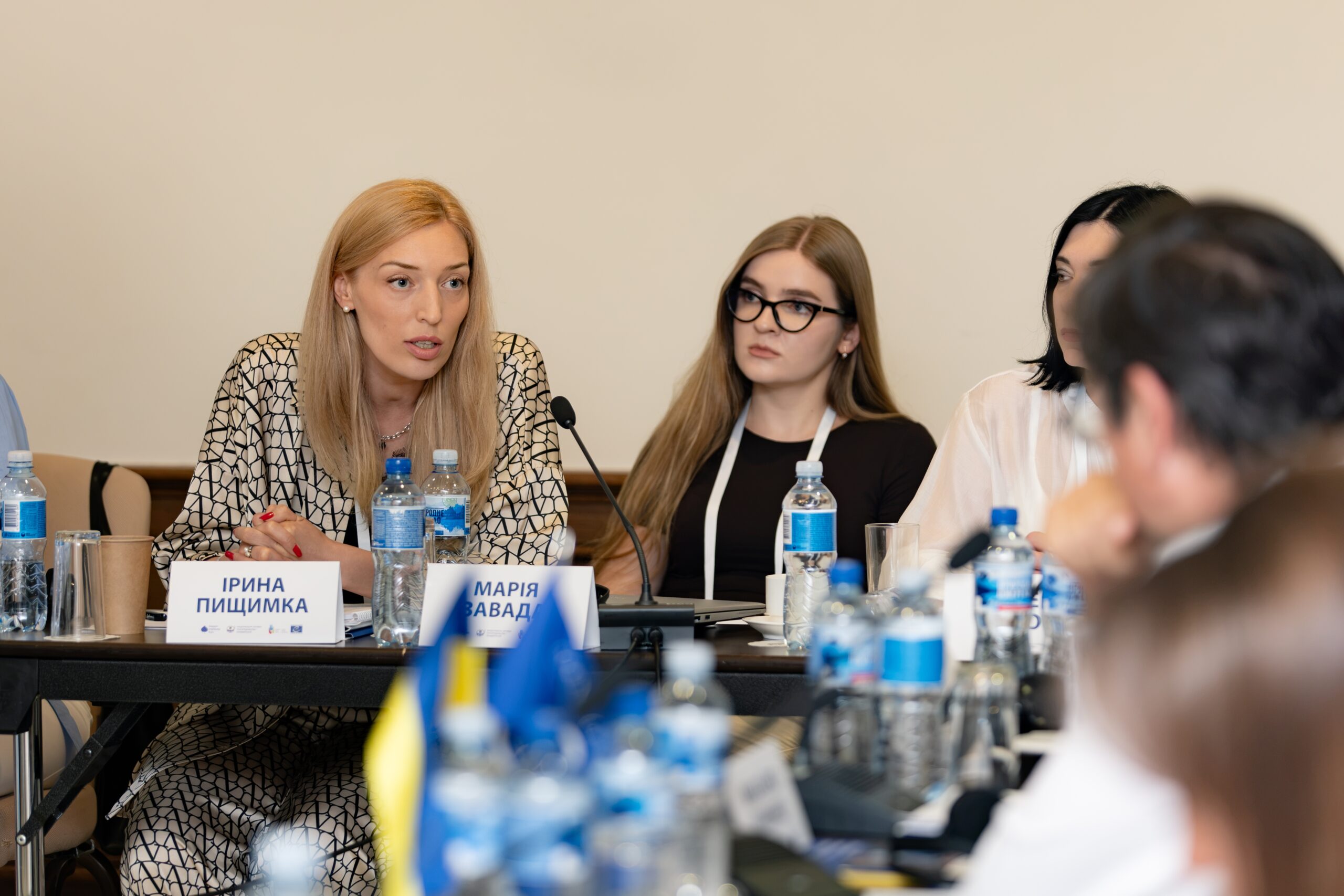
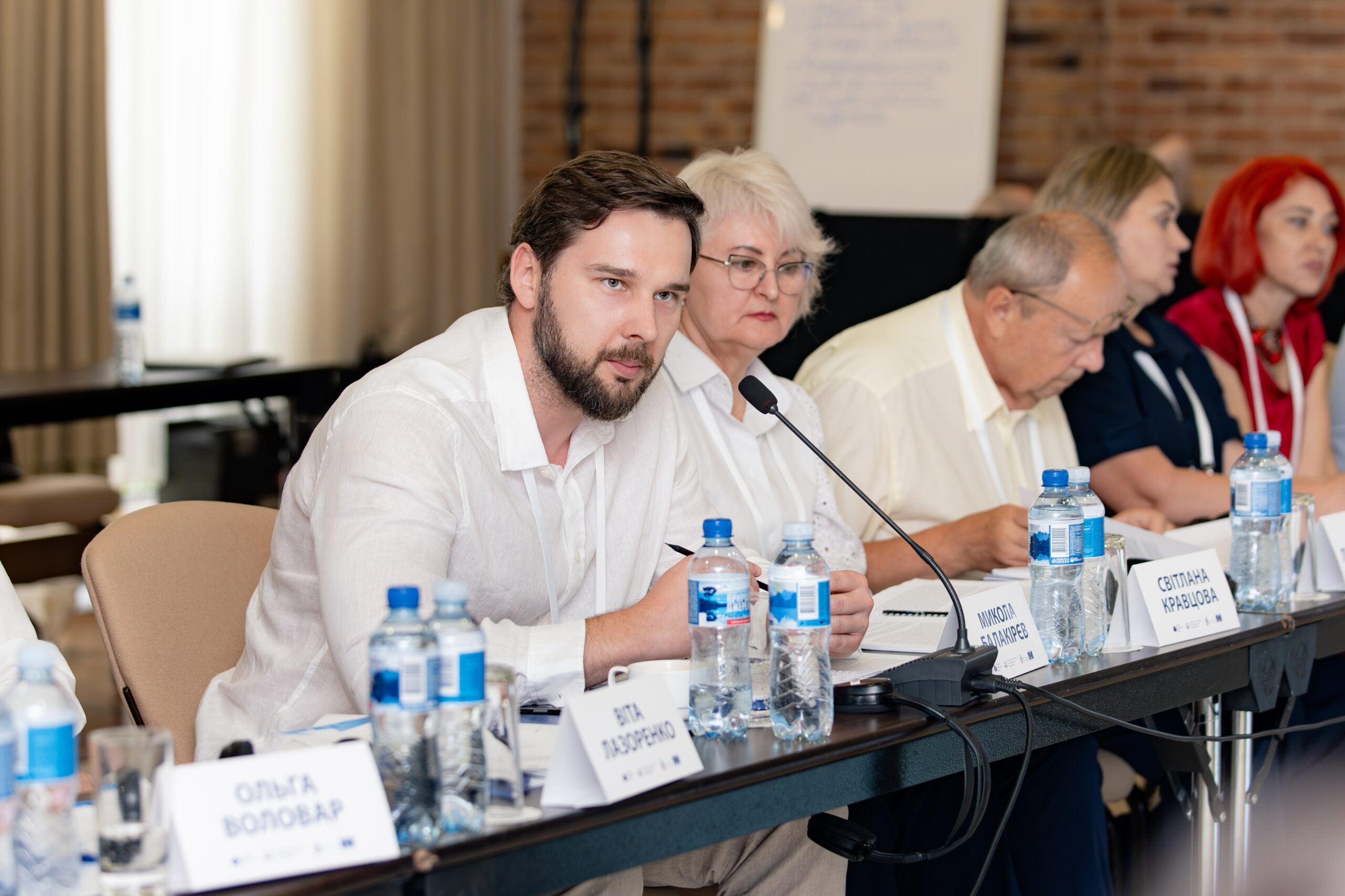
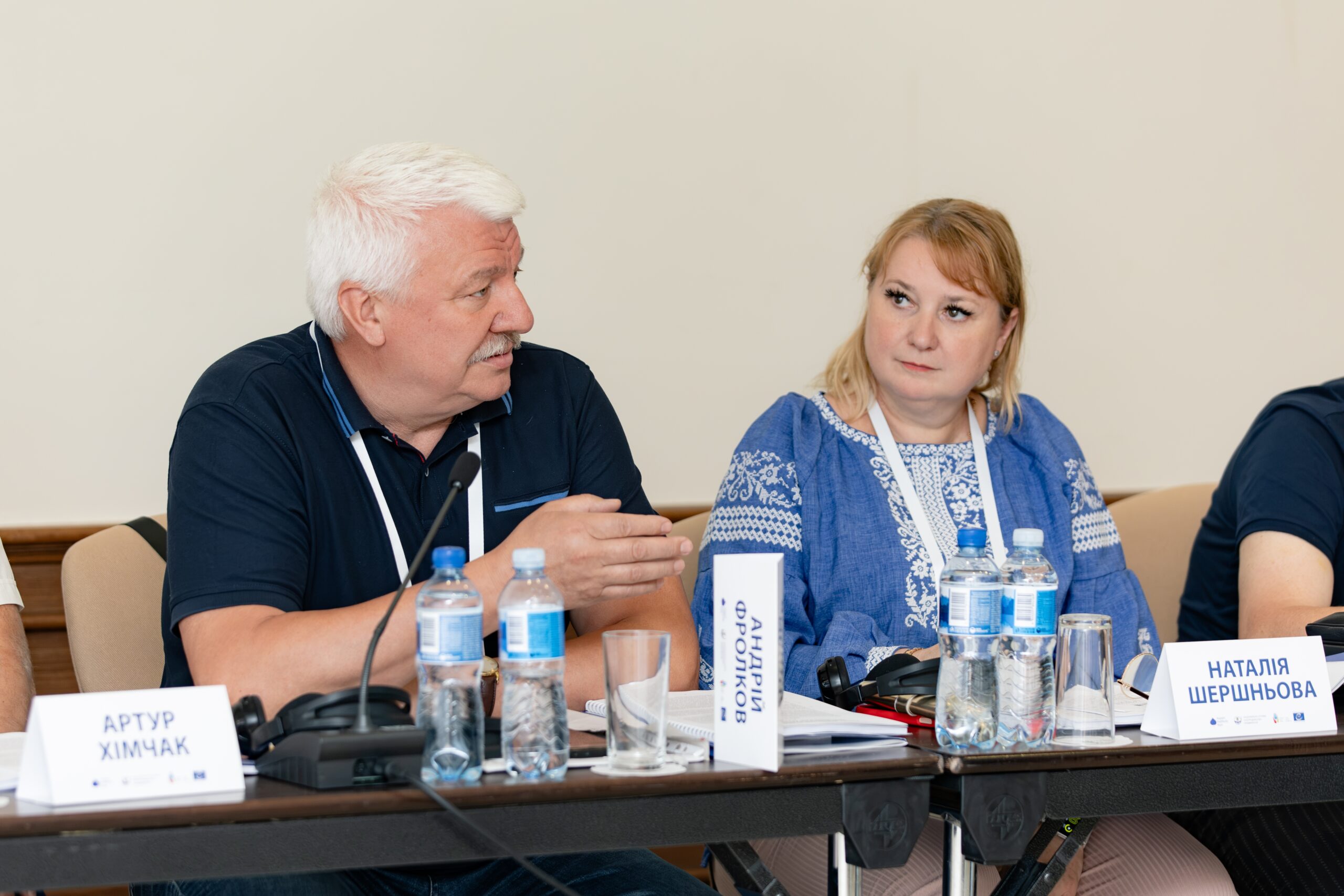
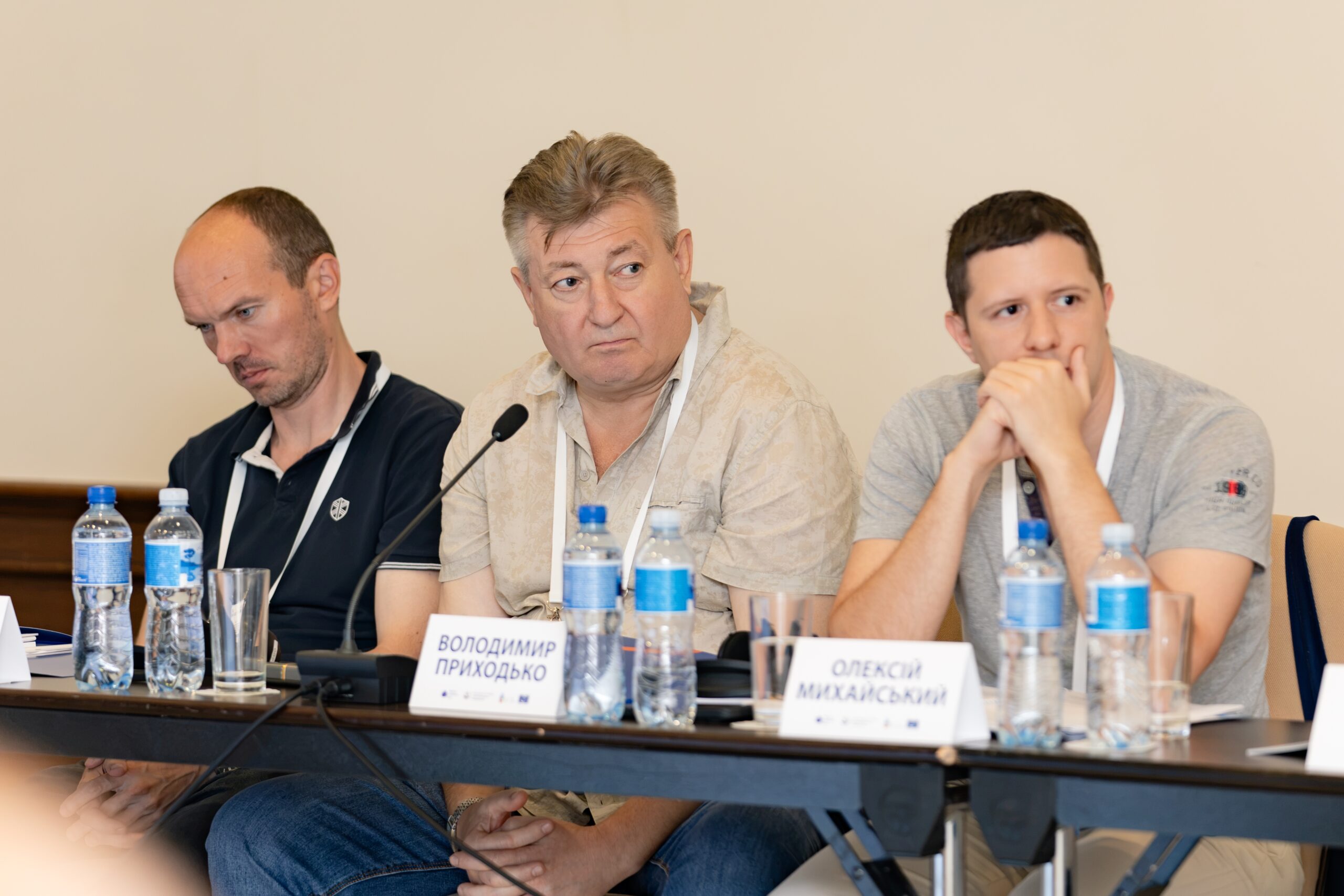
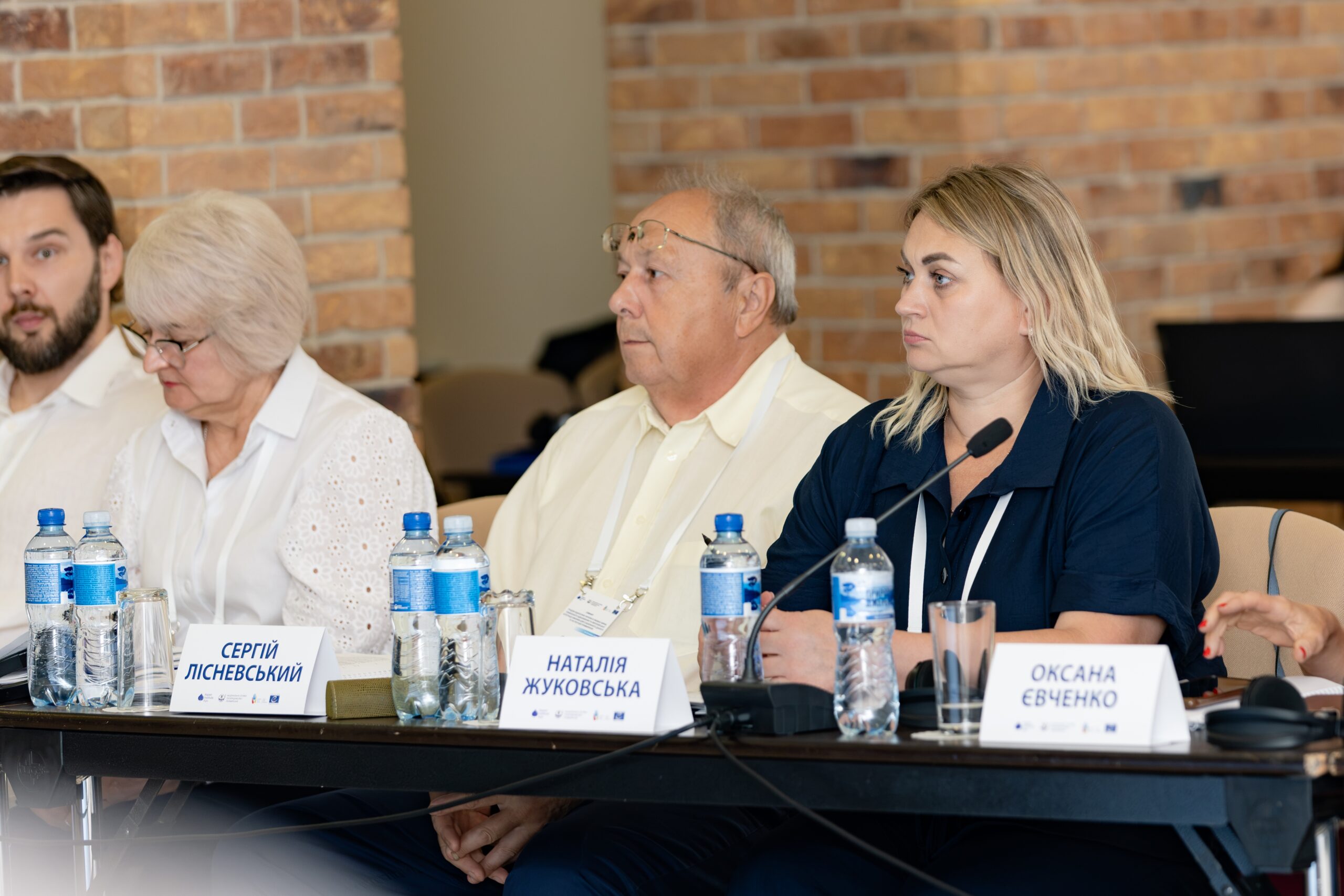
On 14–15 July, Aspen Institute Kyiv, together with the National Mediation and Conciliation Service of Ukraine (NMCS) and with the support of the Council of Europe Project “Strengthening the Social Dimension in Ukraine,” held the seminar “Labour Relations in Ukraine in Times of War, Post-War Recovery and European Integration: Challenges for Social Dialogue and Conciliation Institutions.”
Over the course of two days, the NMCS team, together with Ukrainian and international experts in labour law and social dialogue, explored the challenges facing Ukraine’s labour market during Russia’s full-scale invasion and worked on defining the strategic priorities for the future development of the Service.
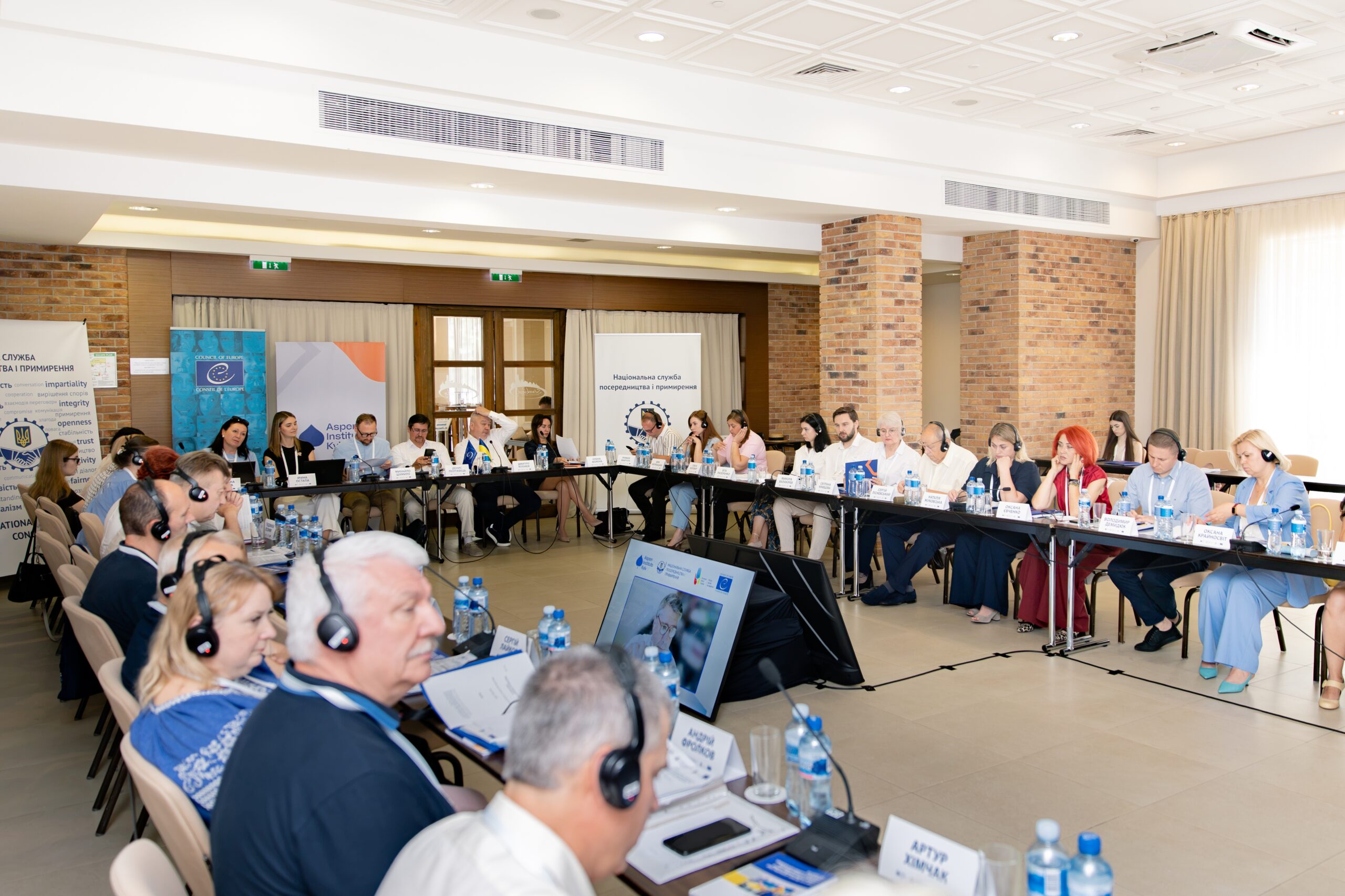
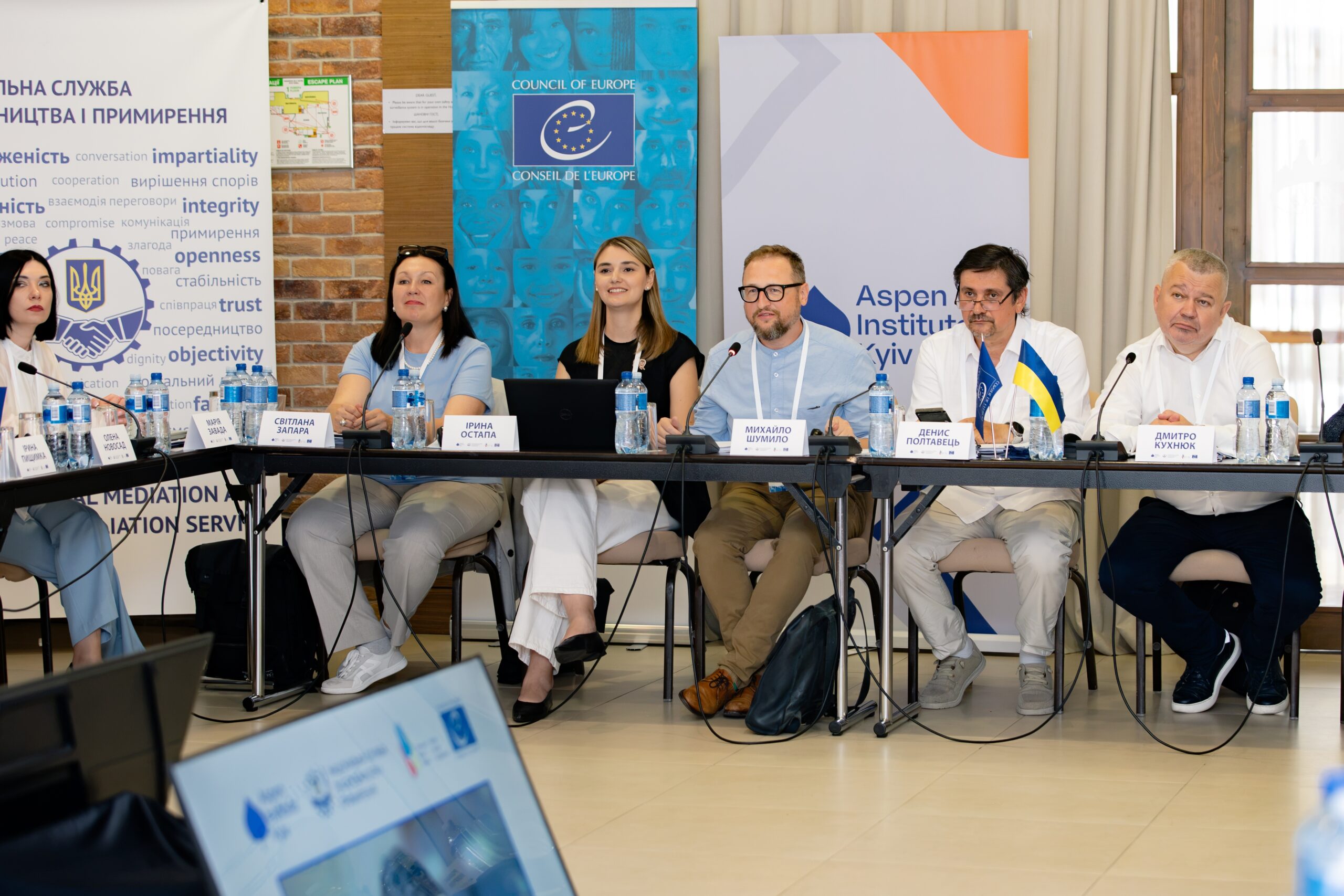
Opening the seminar, Olena Fomina, Director of Program Areas at Aspen Institute Kyiv, highlighted the value of long-term cooperation with the NMCS team and thanked the partners for supporting the initiative. Dmytro Kukhniuk, Head of the National Mediation and Conciliation Service of Ukraine, emphasized the importance of strengthening the institution’s capacity and its active role in Ukraine’s European integration process. Iryna Ostapa, Head of the Council of Europe Project “Strengthening the Social Dimension in Ukraine,” underscored the importance of the standards of the Revised European Social Charter and the case law of the European Committee of Social Rights in the reform of Ukraine’s labour legislation.
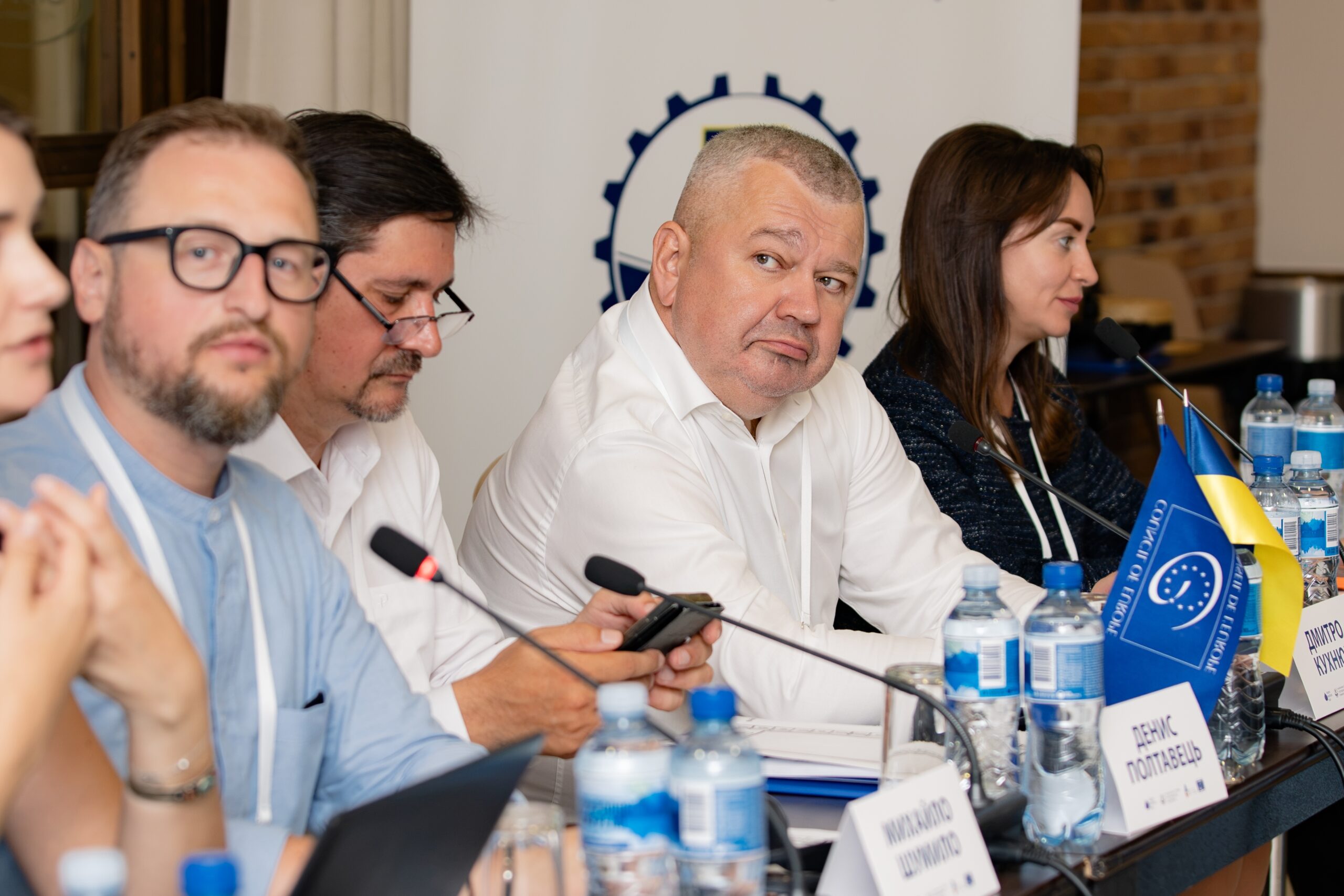
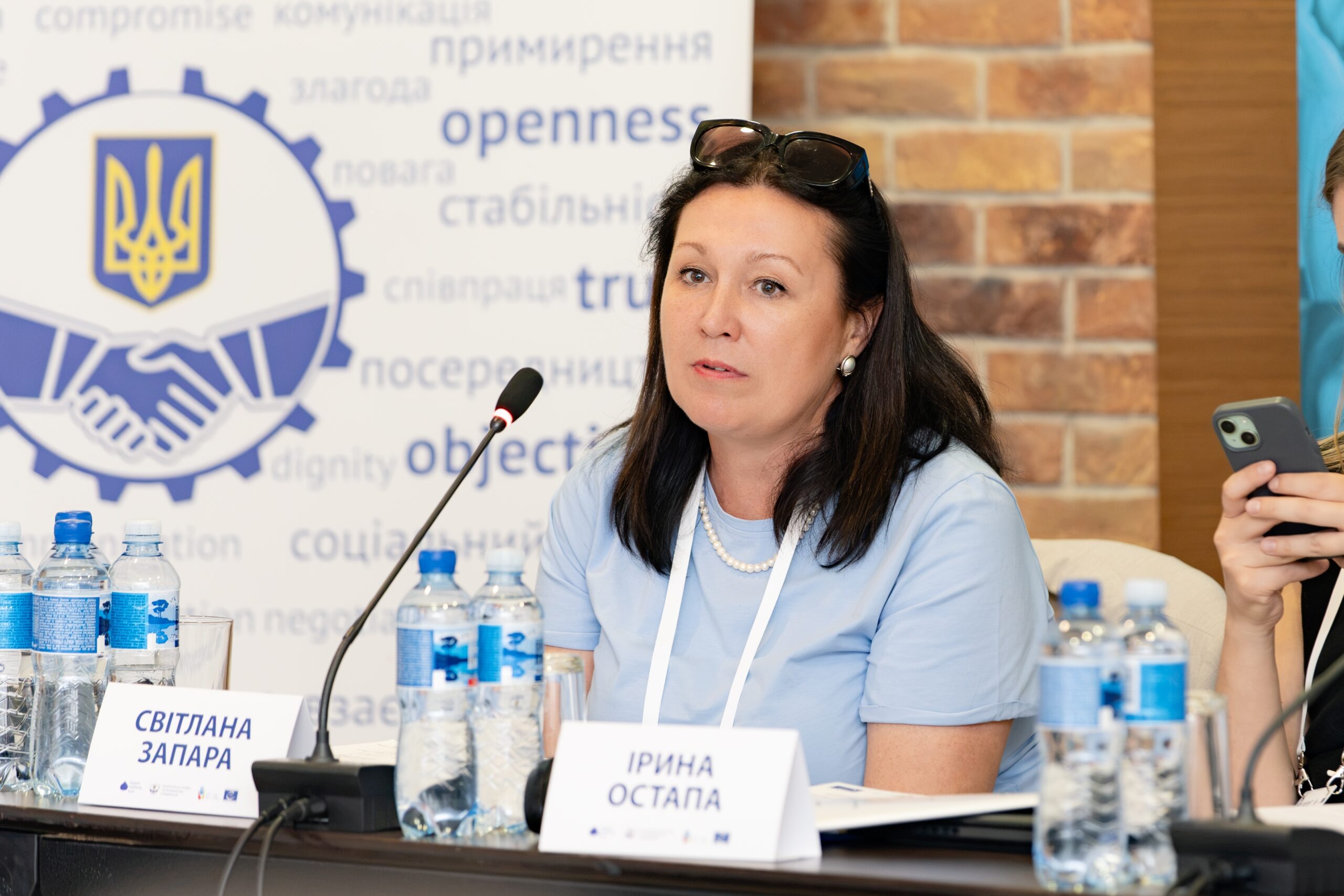
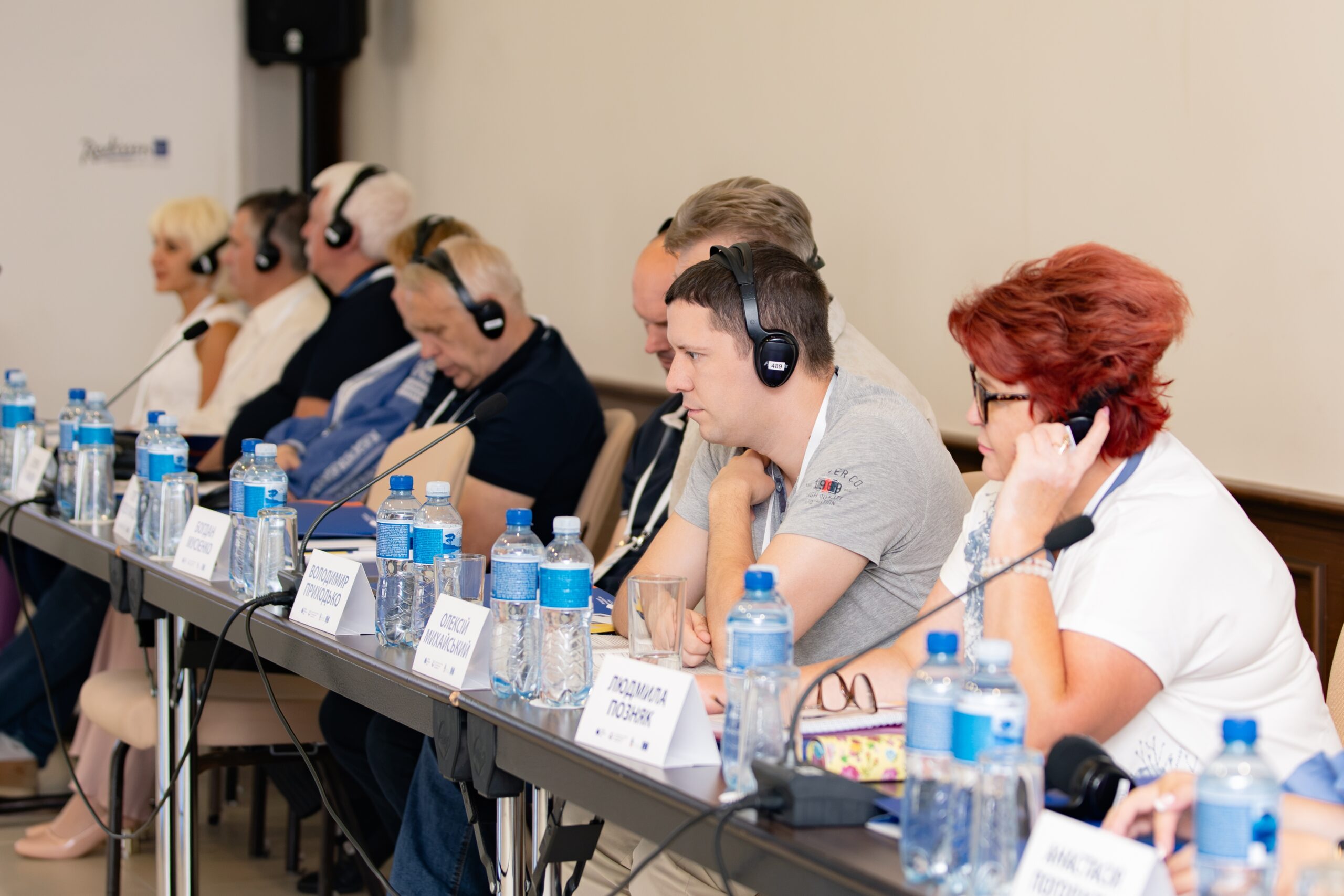
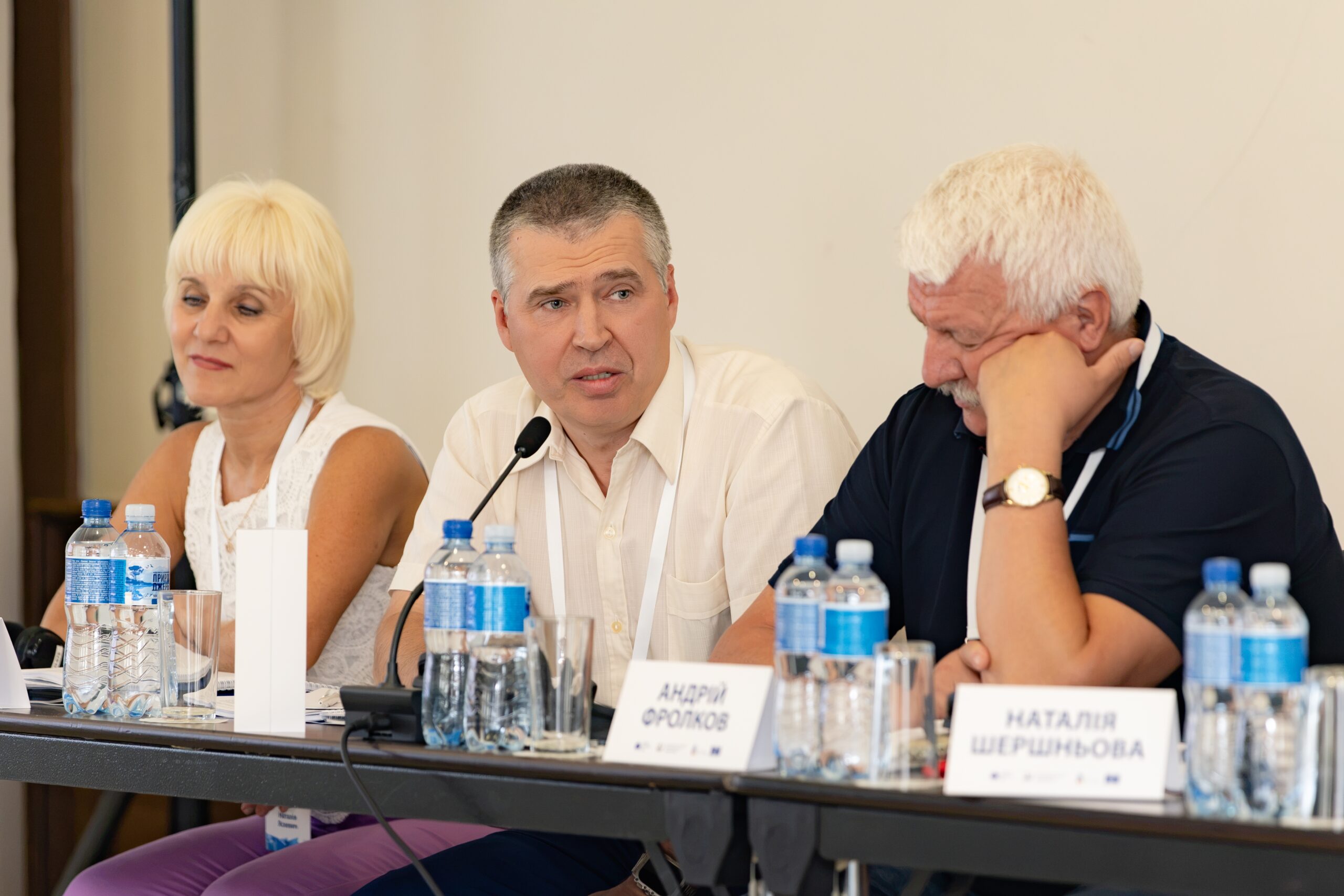
The programme combined expert discussions with practical working sessions, enabling participants to examine recent developments in labour legislation and their implications for the work of the National Mediation and Conciliation Service.
George Theodosis, Vice-President of the European Committee of Social Rights, presented key trends shaping today’s labour market through the lens of the Committee’s case law and the European Union acquis.
Yana Simutina, Leading Research Fellow at the Department of Civil Law Sciences of the V. M. Koretsky Institute of State and Law of the National Academy of Sciences of Ukraine, and Mykhailo Shumylo, Professor at the Department of International, Civil and Commercial Law of the State University of Trade and Economics, examined current issues concerning the alignment of Ukraine’s labour legislation with international standards, particularly those of the Council of Europe. The discussions also focused on the reform of individual and collective labour relations in light of the practice of the European Committee of Social Rights.
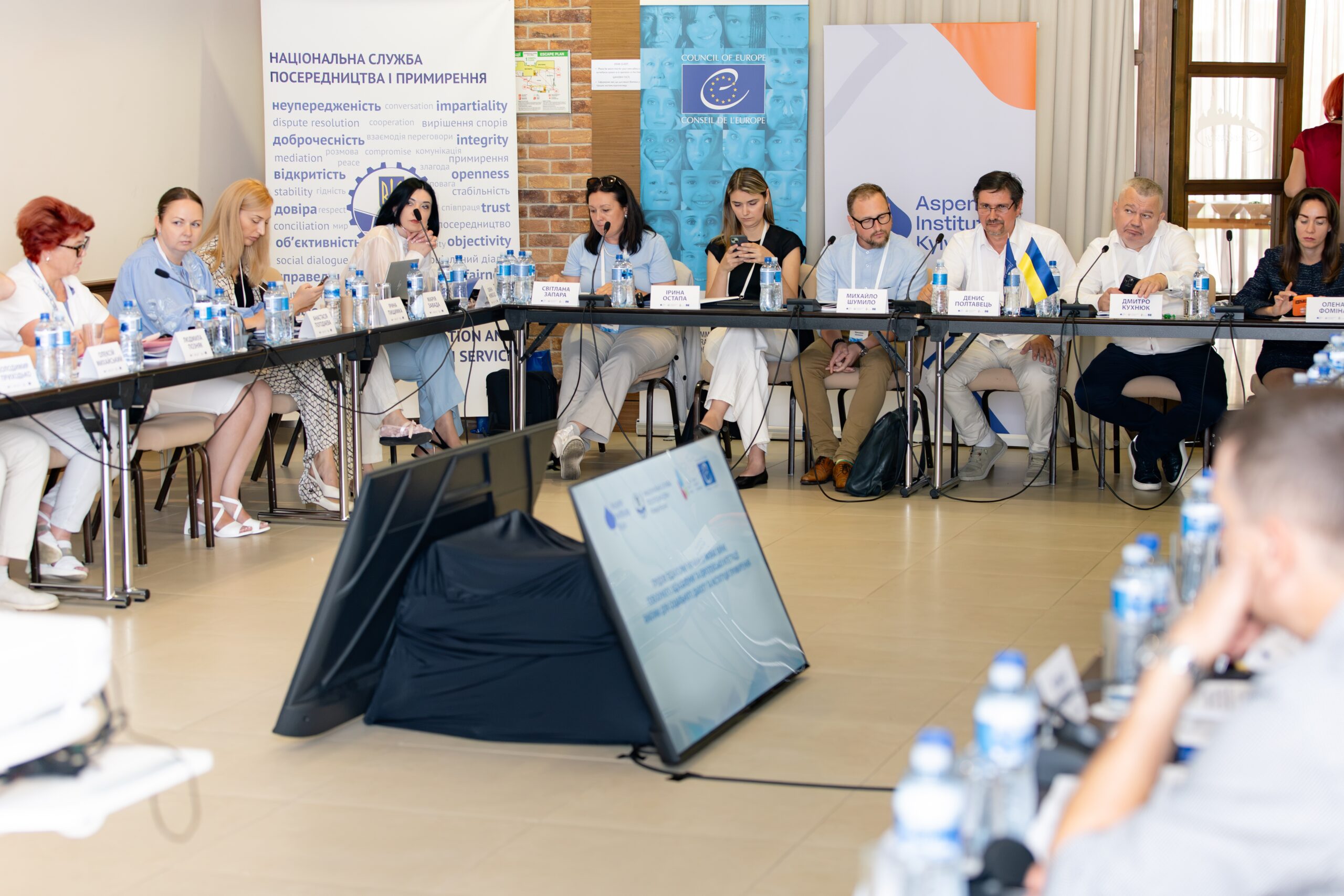
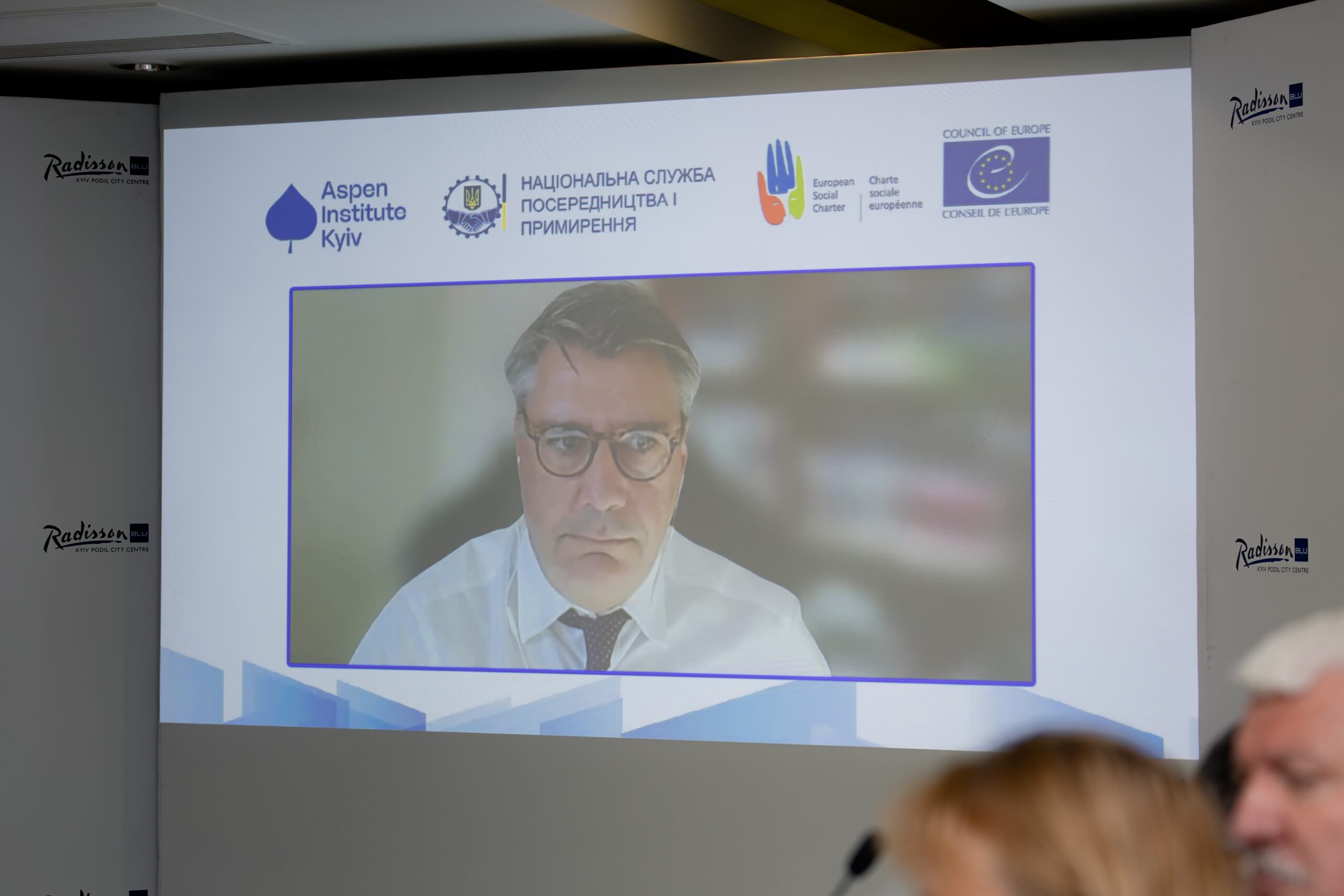
An important part of the programme was dedicated to collaborative work on the vision, strategic priorities, and future role of the National Mediation and Conciliation Service in the context of Ukraine’s post-war recovery.
The seminar was moderated by Denys Poltavets, Director of Program Development at Aspen Institute Kyiv, and Mykhailo Shumylo, Professor at the Department of International, Civil and Commercial Law of the State University of Trade and Economics.
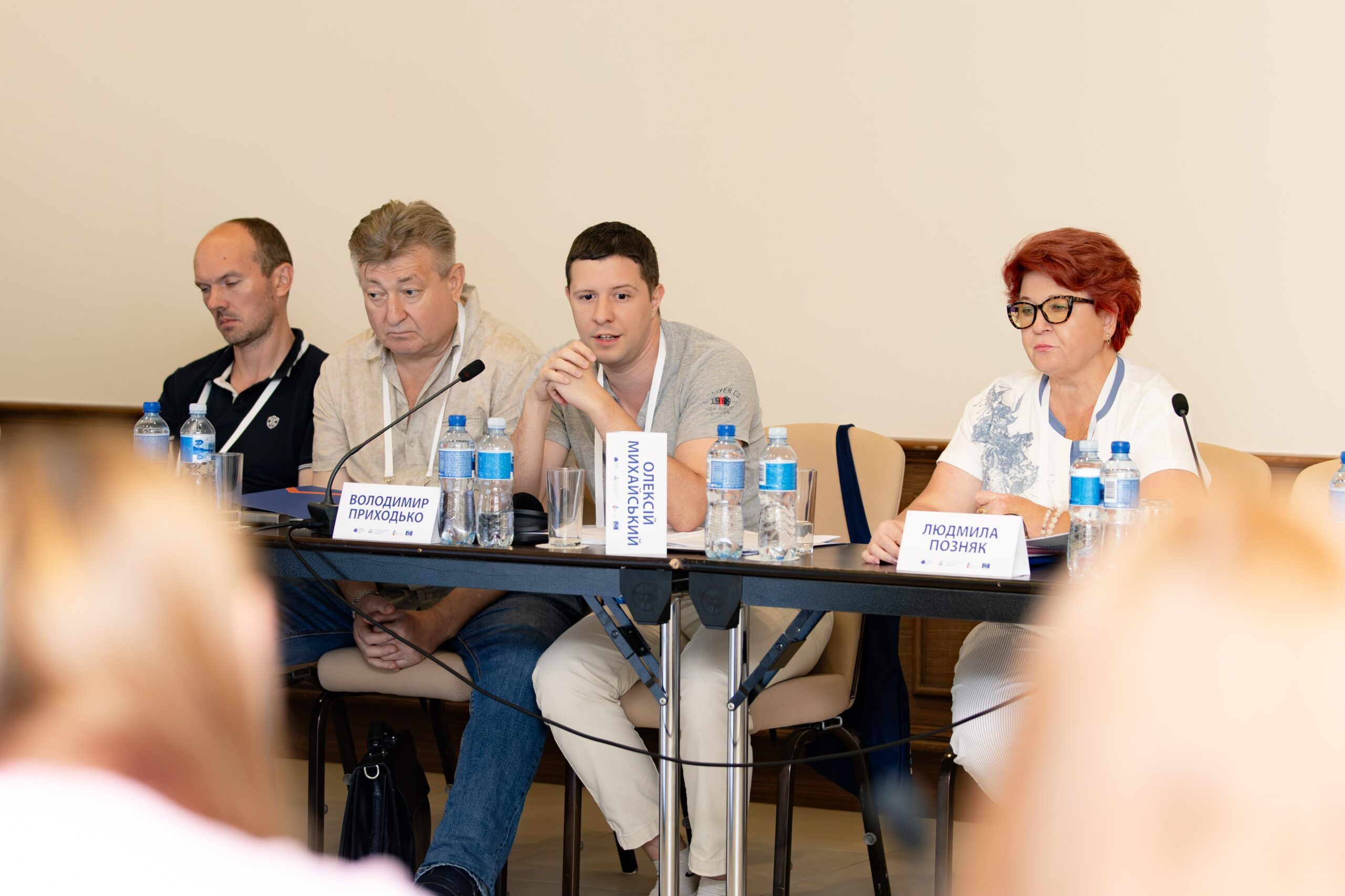
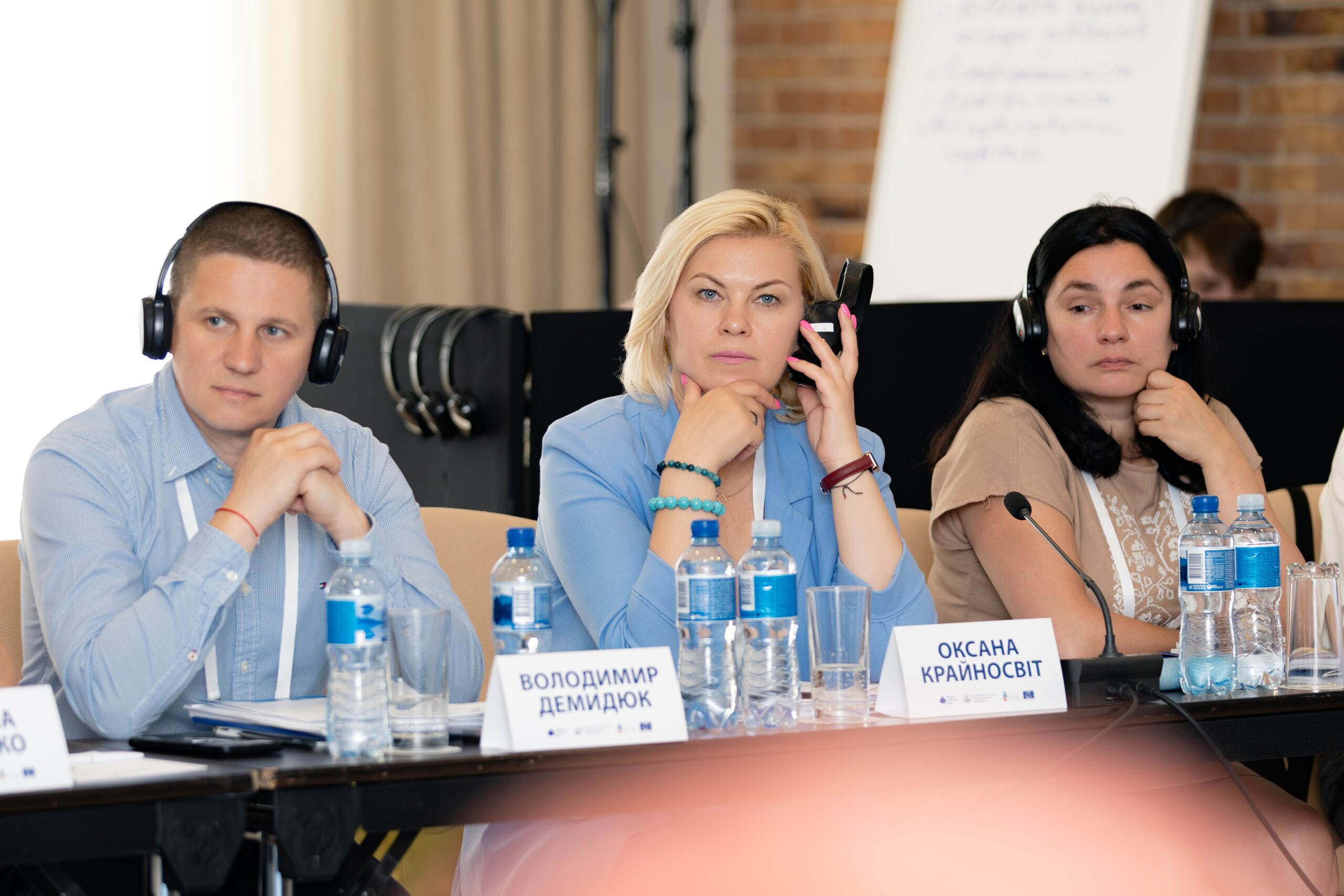
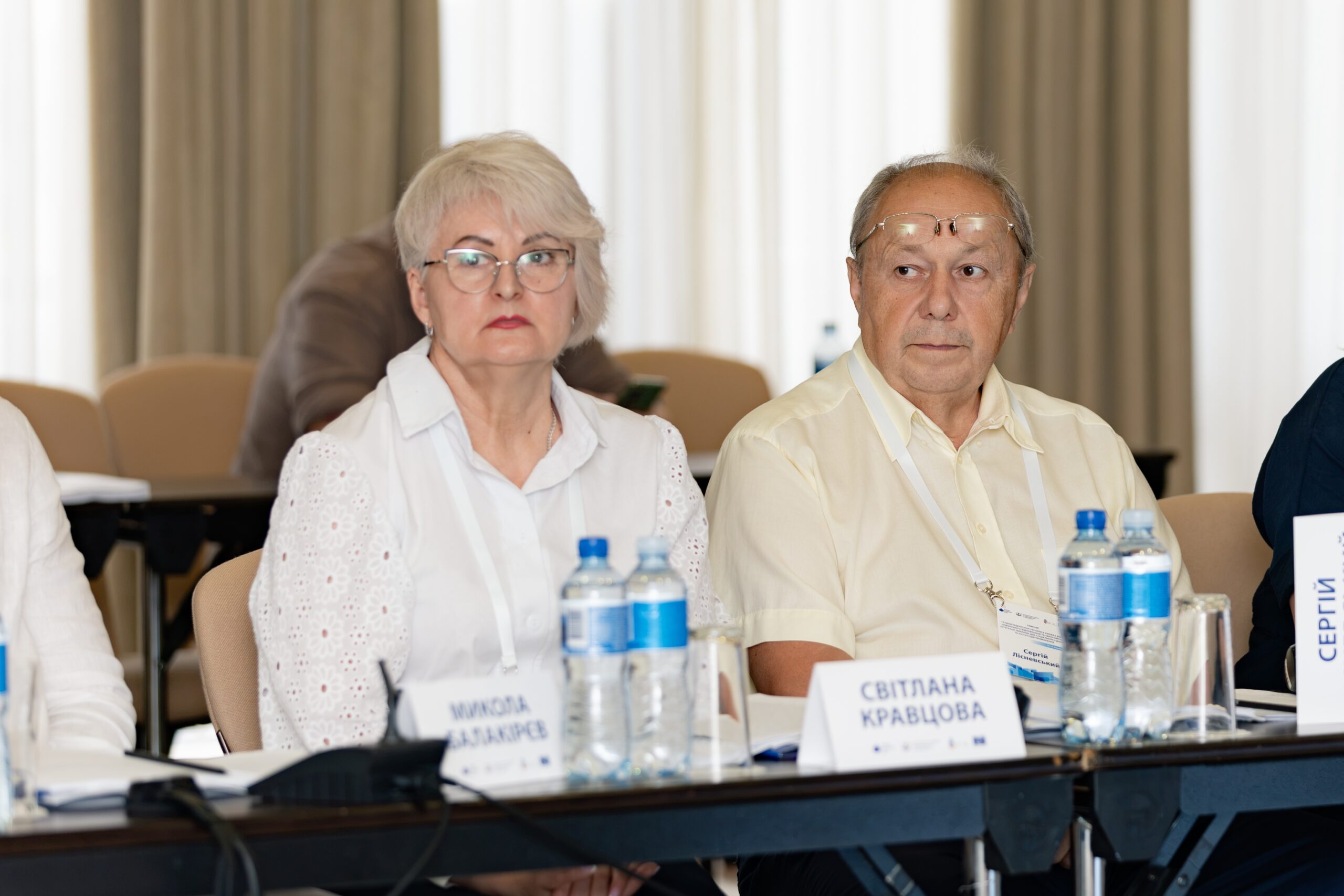
Ukraine’s labour market is entering a period of profound transformation. War, post-war recovery, and European integration will require not only legislative reform but also strong institutions capable of facilitating effective social dialogue, preventing labour disputes, and developing sustainable solutions during a time of significant change.
That is why it is essential to begin shaping a new paradigm of labour relations today—one founded on trust, fairness, and respect for human rights.
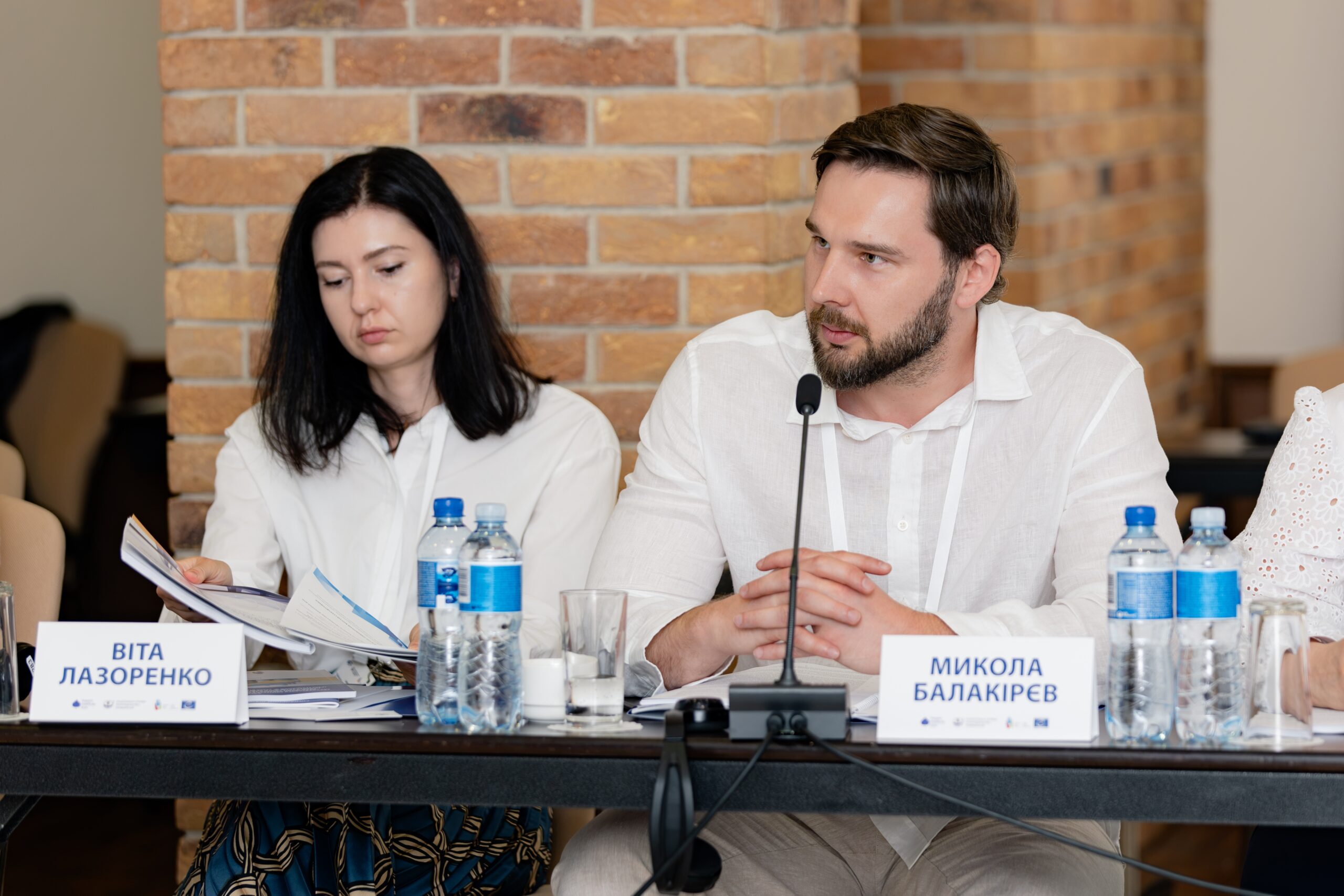
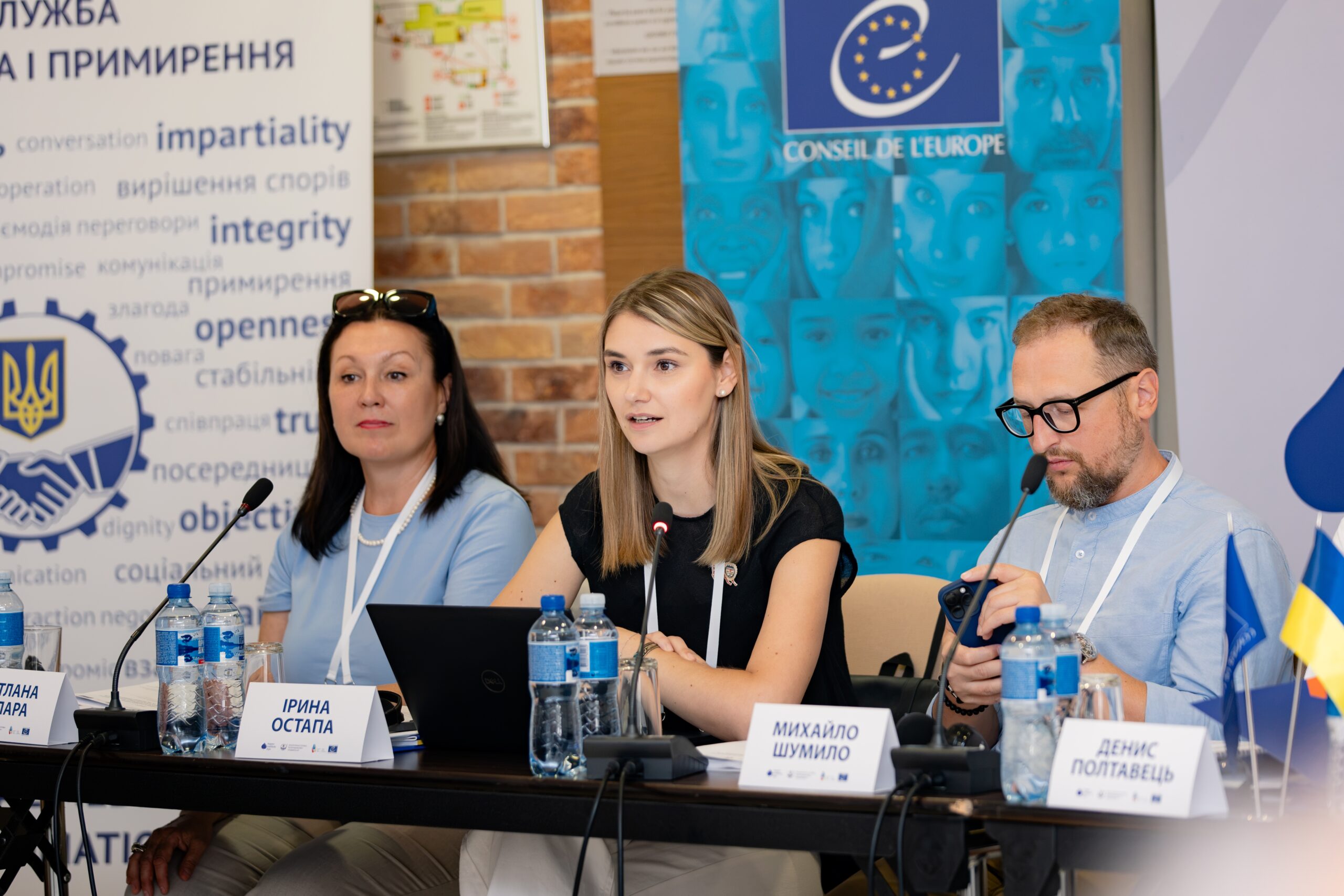
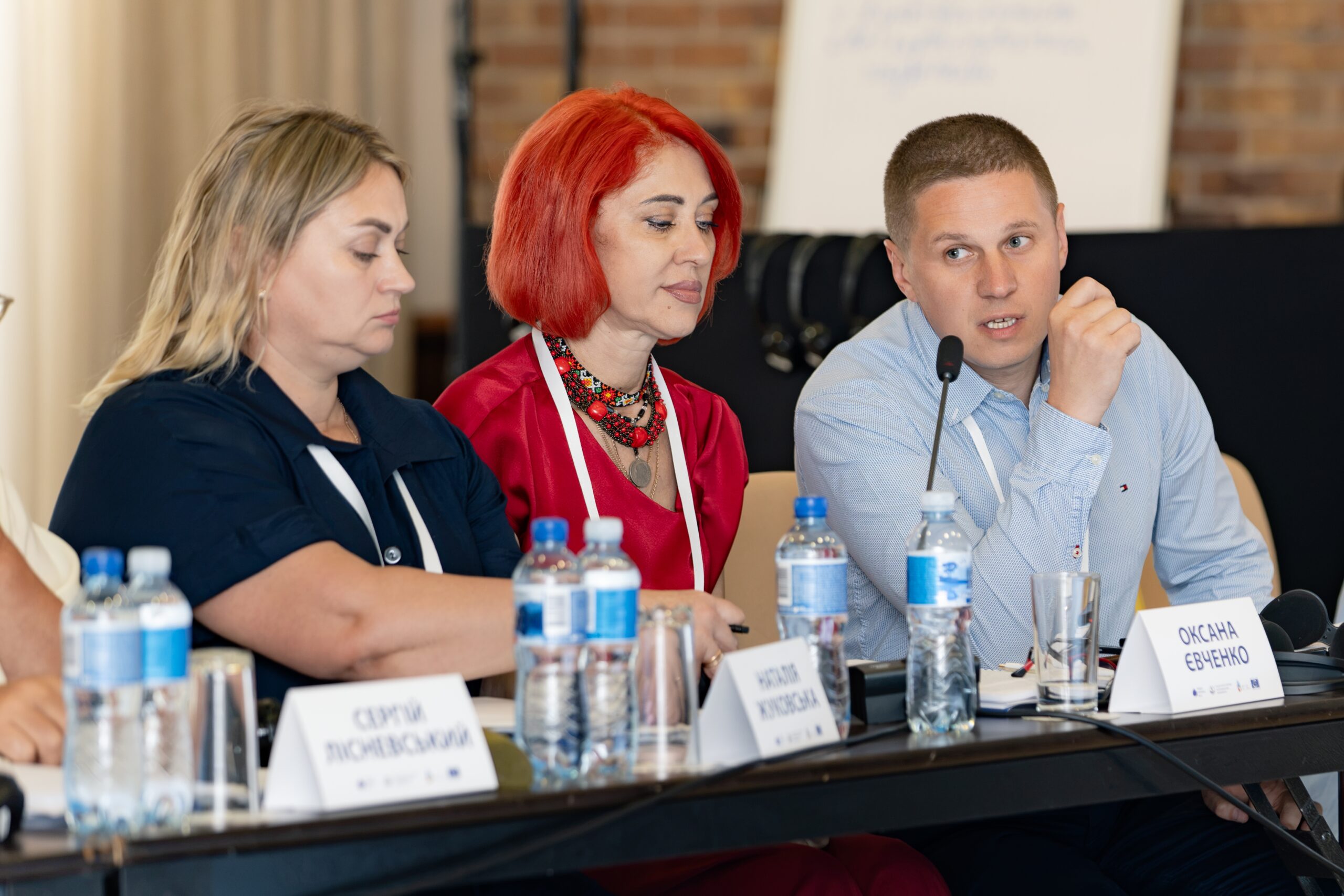
We extend our sincere thanks to the National Mediation and Conciliation Service of Ukraine for its partnership, to the Council of Europe Office in Ukraine for its support, and to all participants for their openness, active engagement, and collaborative work.
The seminar was designed by Aspen Institute Kyiv specifically for the National Mediation and Conciliation Service of Ukraine and delivered with the support of the Council of Europe Project “Strengthening the Social Dimension in Ukraine.” The project aims to ensure that broad segments of the population, including people in vulnerable situations and those affected by the war in Ukraine, have access to targeted social protection and support.