

The Black Sea Region and the Future of NATO Defence Cooperation: Reflections from Ankara
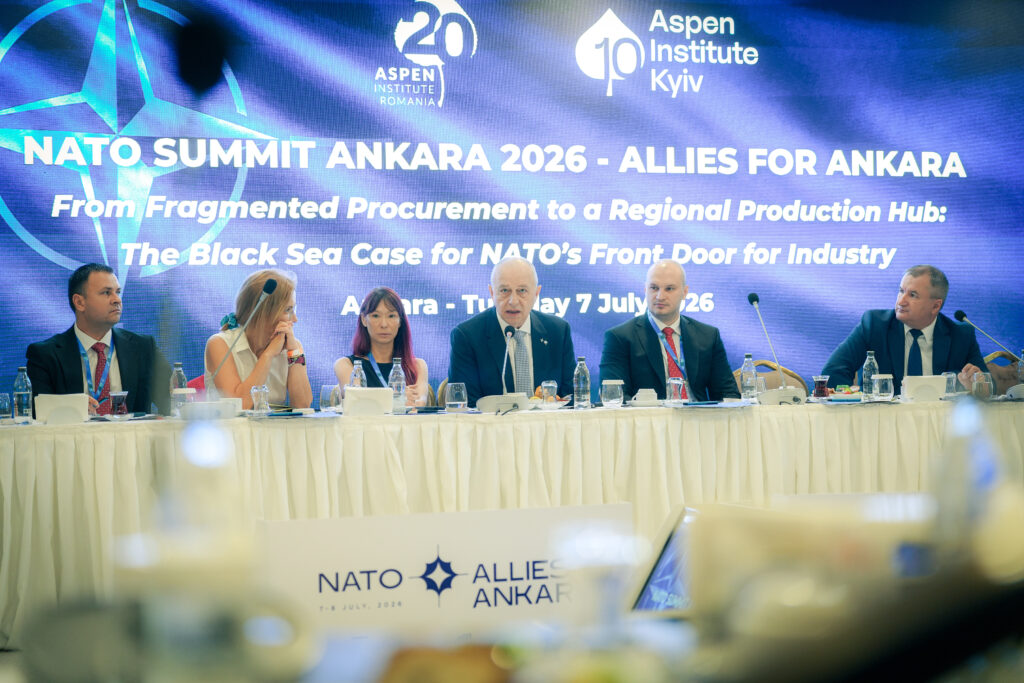
On 7 July, on the sidelines of the NATO Summit in Ankara, Aspen Institute Romania and Aspen Institute Kyiv co-hosted the discussion “From Fragmented Procurement to a Regional Hub: The Black Sea Region’s Case for NATO’s Industry Front Door Policy,” dedicated to the future of defence industry cooperation and innovation in the Black Sea region.
The event brought together representatives of governments, the defence industry, and the expert community to discuss how countries across the region can better combine their industrial capabilities and position the Black Sea as a key pillar of NATO’s evolving defence industrial architecture.
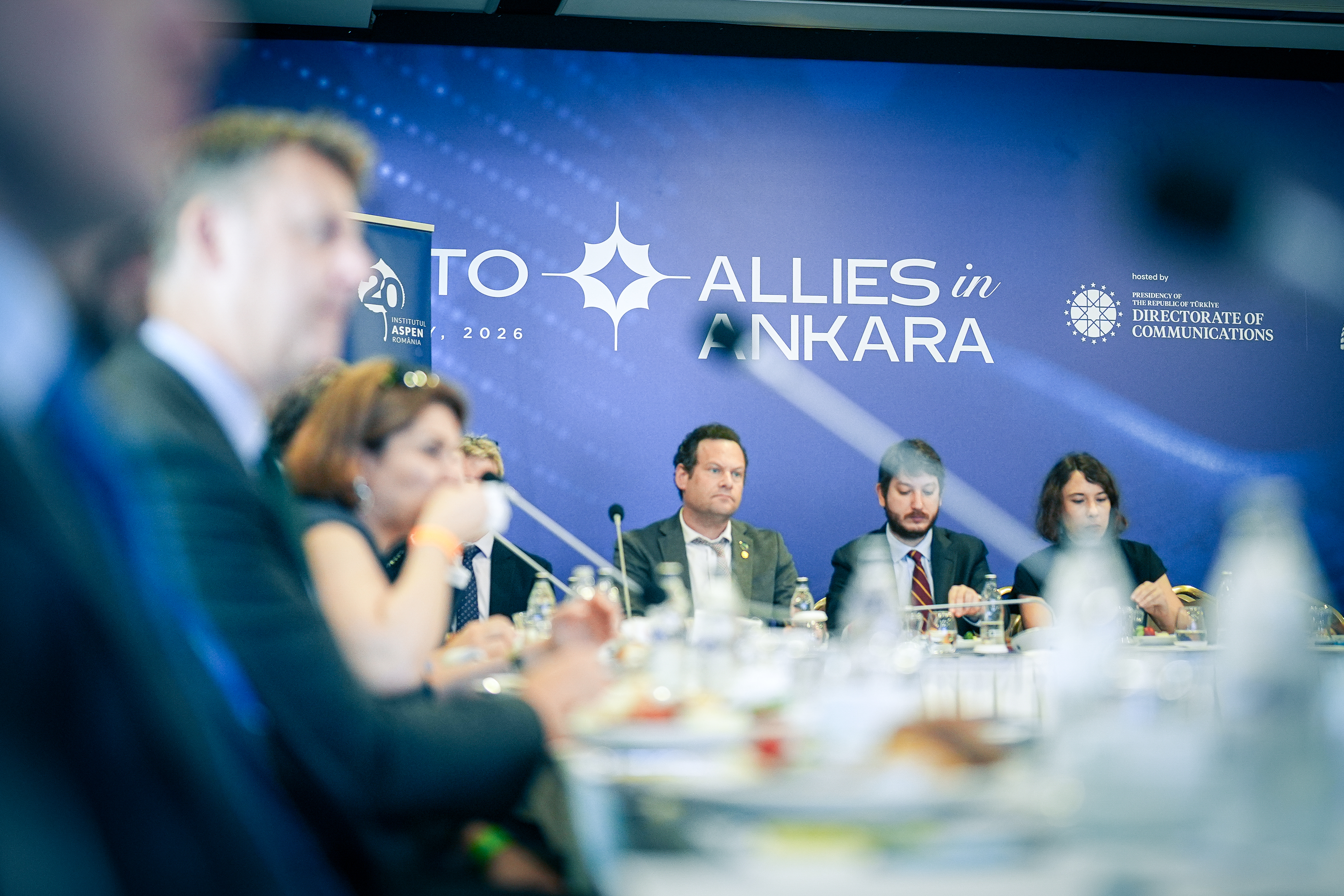
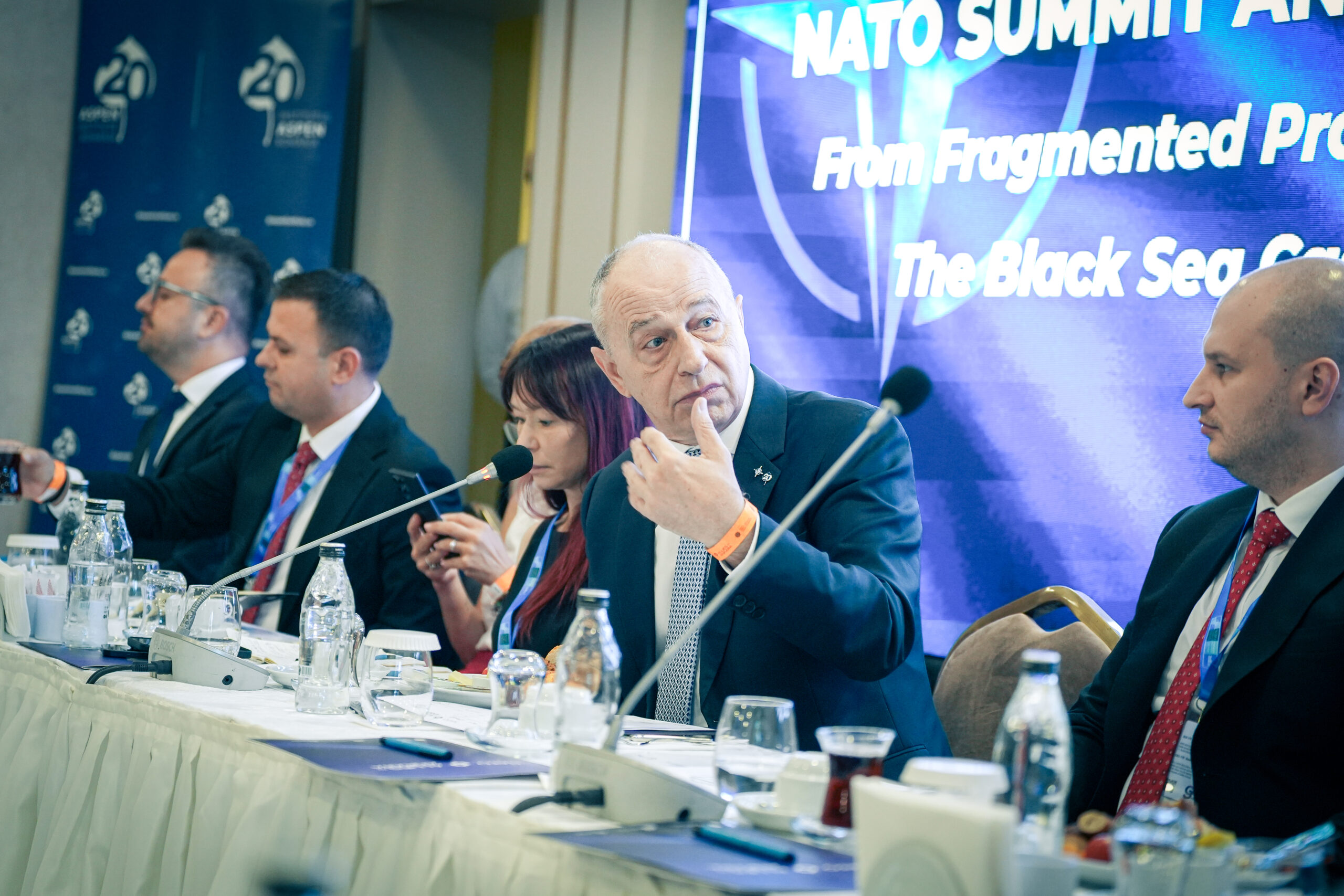
The discussion focused on practical challenges facing the defence sector. Participants emphasized the need to move beyond fragmented national procurement towards a coordinated regional approach that would enable better production planning, aggregate demand, attract private investment, and accelerate the scaling of innovative defence solutions.
Particular attention was given to the complementary strengths of the Black Sea region itself. Discussions explored how Romania’s manufacturing capacity, Türkiye’s shipbuilding industry and unmanned technologies, Ukraine’s wartime experience of rapidly developing and deploying defence innovations, Bulgaria’s industrial base, and Greece’s shipbuilding sector could be better integrated. Rather than building new structures from scratch, participants argued, coordinating these existing capabilities could significantly strengthen the region’s collective defence.
Ukraine’s experience was one of the central themes of the discussion. Participants noted that the pace at which Ukraine has developed and refined defence technologies during Russia’s full-scale invasion demonstrates a new model of innovation. At the same time, scaling these solutions will require shared mechanisms for certification, financing, and integration into the defence industries of Allied countries.