

From a Logic of Survival to a Logic of Development: Days of Ideas in Kharkiv
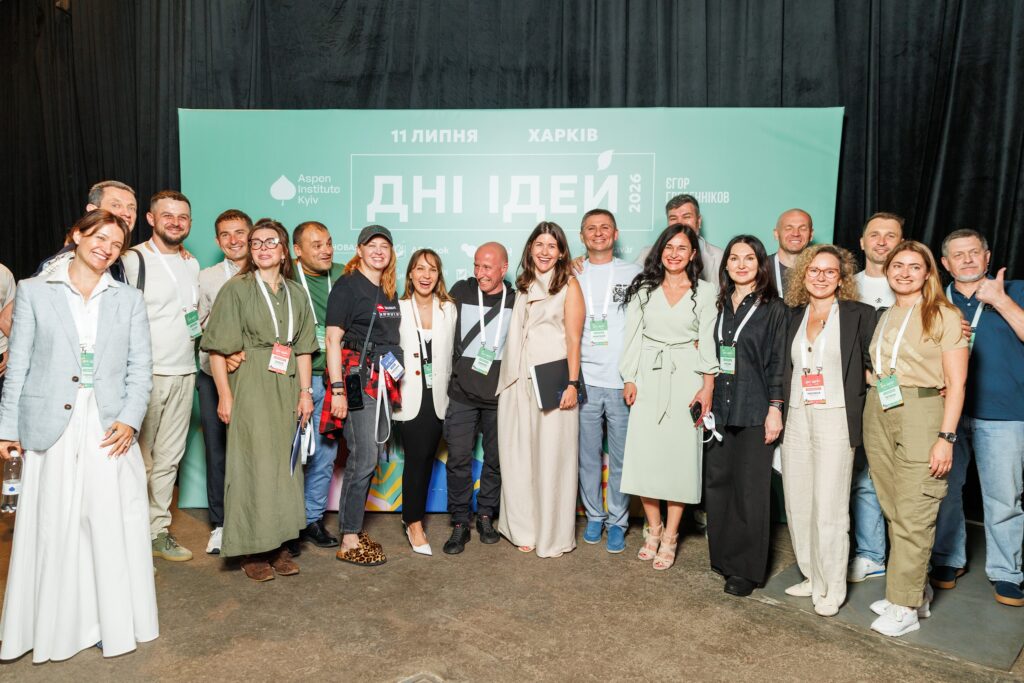
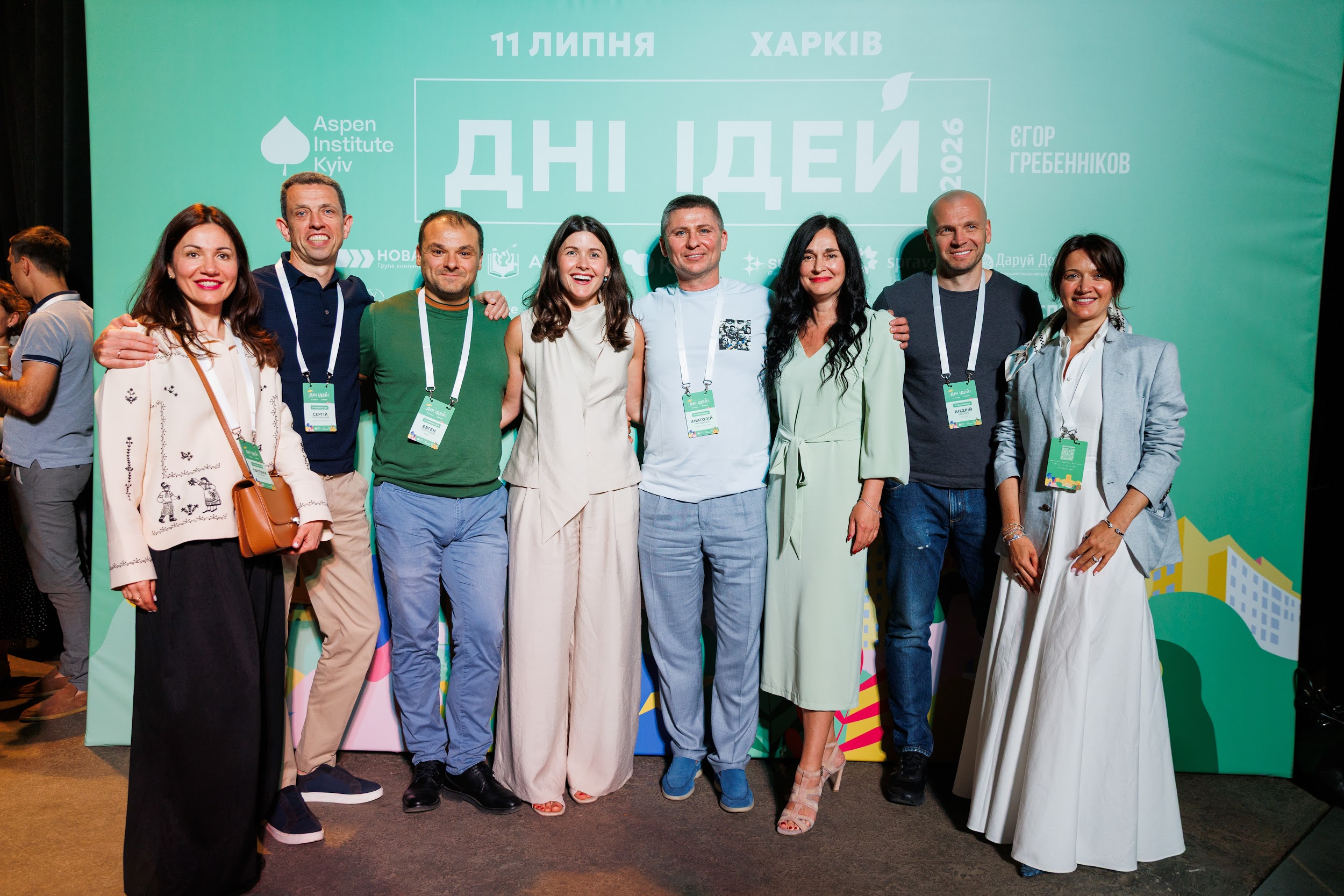
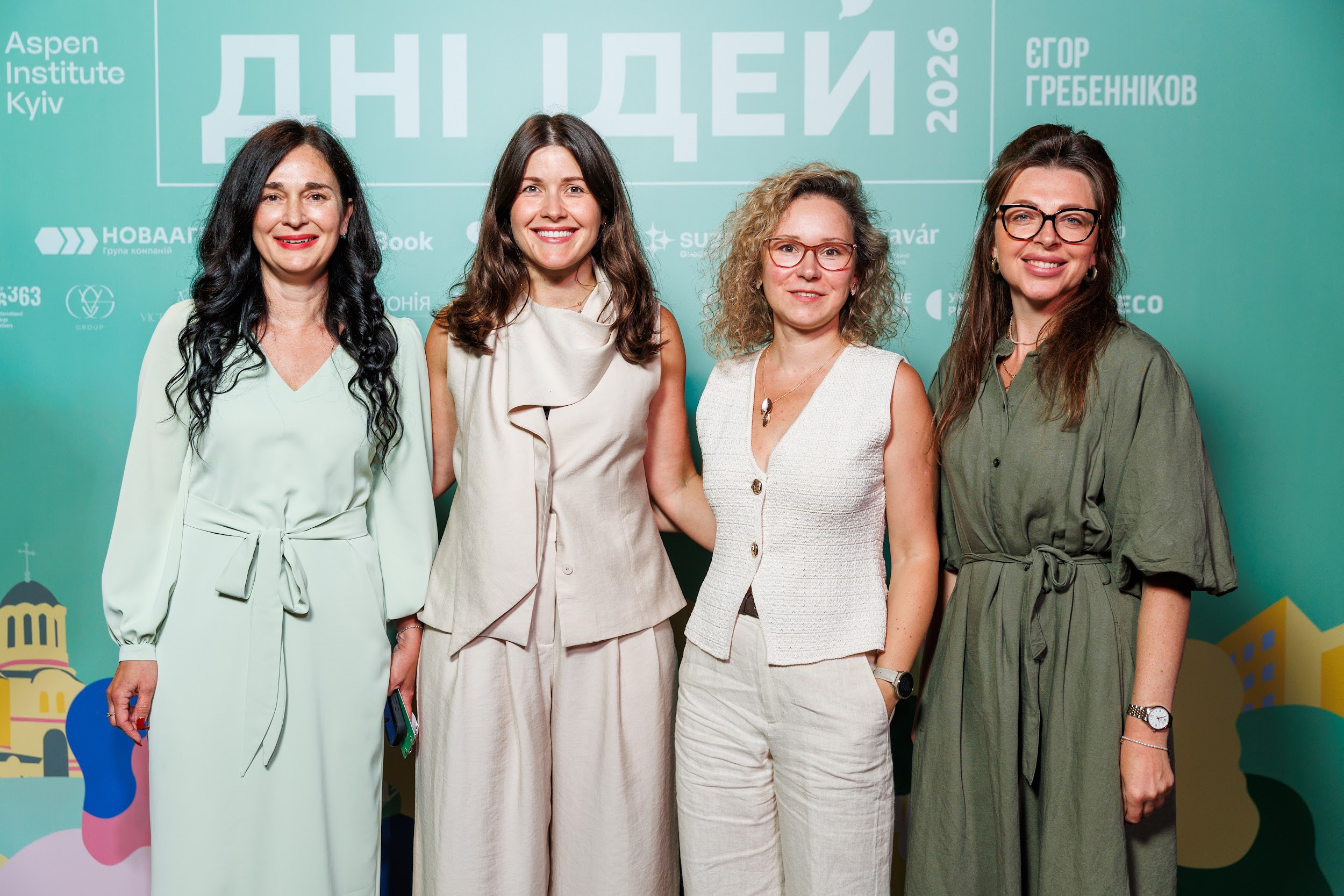
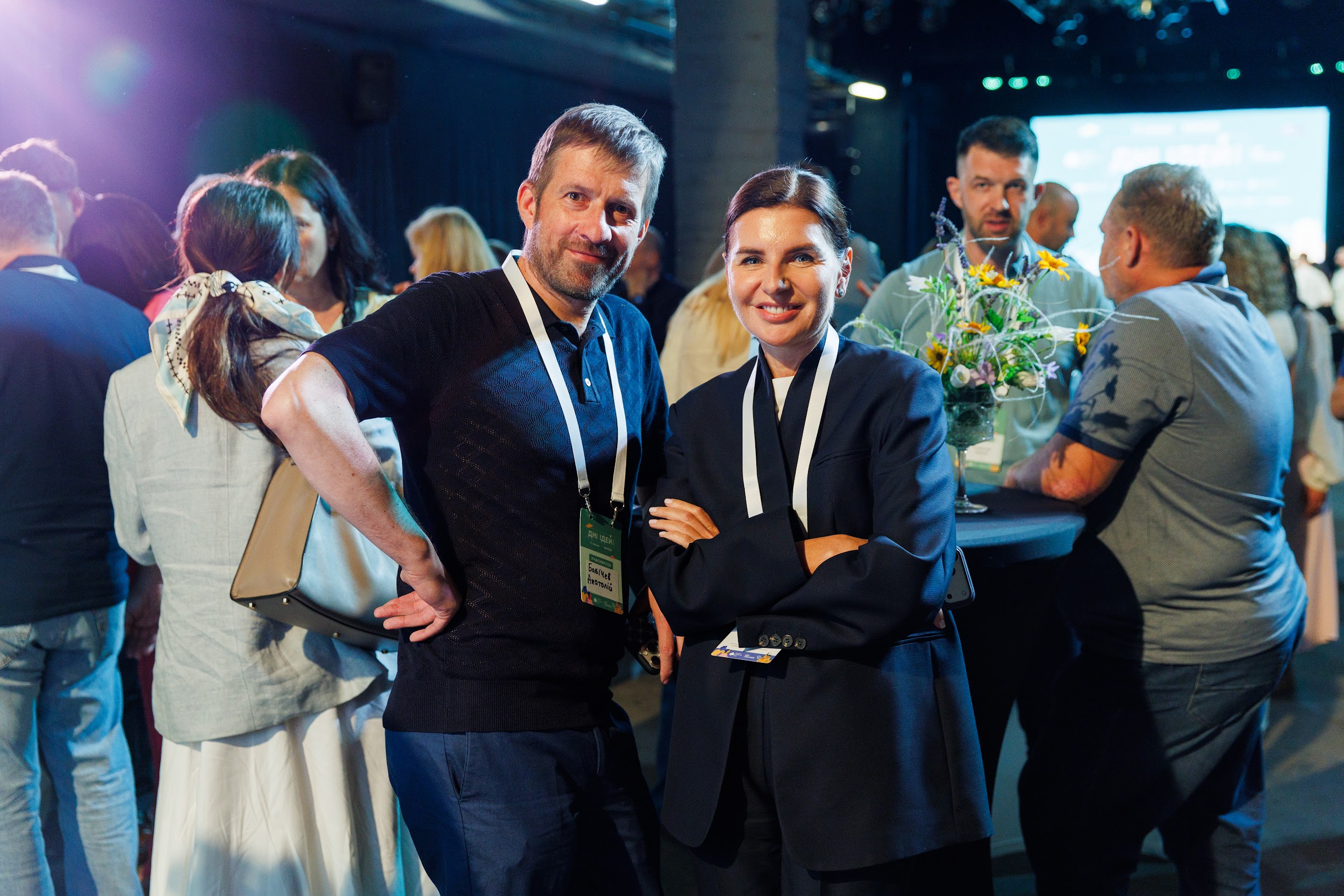
On 11–12 July, Days of Ideas brought together representatives of government, local authorities, business, education, civil society, the military, and the expert community in Kharkiv. This year’s theme focused on the city’s transformation: how to move from a logic of survival to a logic of development without losing its identity.
For Kharkiv, this conversation carries particular significance today. Despite the challenges it faces every day, the city continues to live, educate, work, generate new ideas, and seek answers to the questions that will shape its future.
According to Yuliya Tychkivska, Executive Director of Aspen Institute Kyiv, this year’s programme was built around two themes that will define Kharkiv’s future: people and education.
“We deliberately chose to hold Days of Ideas in Kharkiv—a city that demonstrates extraordinary resilience, strength, and the ability to live, create, and grow even under the most difficult circumstances. Here, we initiated a dialogue on two issues that we believe will shape not only Kharkiv’s future but that of many Ukrainian cities. The first is people: how to make a city one that people want to join, live in, work in, and return to. The second is education. For decades, Kharkiv has been one of Ukraine’s leading intellectual centres, and today a conversation about its educational future is also a conversation about the country’s future. Education is not only a public good—it is the foundation of resilient citizens, resilient communities, and a resilient state.”

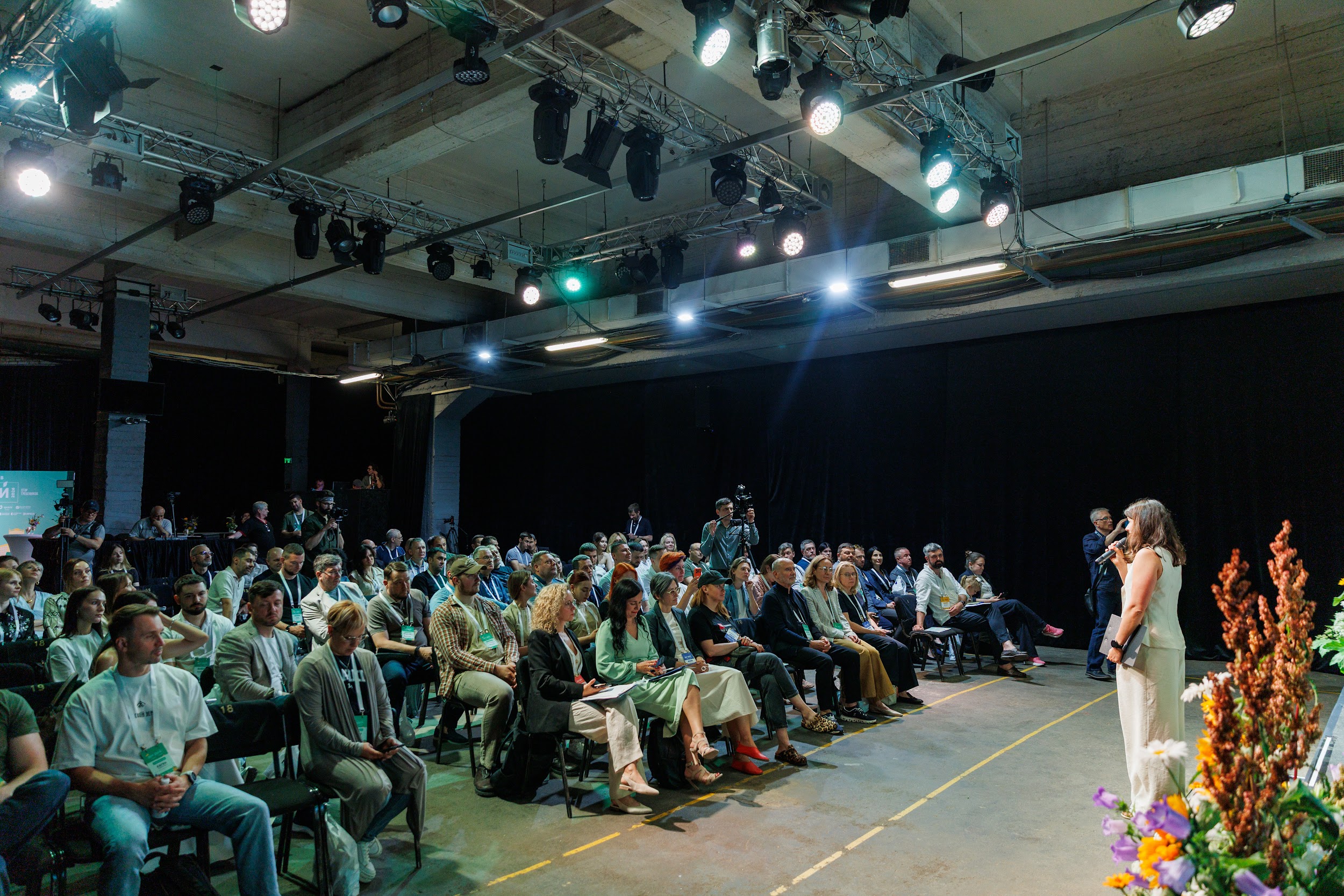
The first panel discussion, “A City That Stands Together: How Collective Action Emerges,” explored how collective action is built in a city that has lived under constant threat for several years.
Speakers emphasized that today’s cities are shaped not only by architecture or infrastructure but, above all, by people who are willing to take responsibility for their future.
Iryna Matsevko, historian and Rector of the Kharkiv School of Architecture, noted that belonging to a city is increasingly defined not by birthplace but by shared experience, participation, and co-creation. People arriving in Kharkiv from other regions are already becoming part of the city by bringing new practices, experiences, and perspectives. Rather than creating artificial barriers, she argued, the priority should be to build a shared environment.
Kateryna Zahorii, Co-founder of the Zagoriy Foundation and Chair of the Board of Directors of the pharmaceutical company Darnitsa, continued this discussion by highlighting the role of trust. Strong communities, she noted, emerge where people share experiences, communicate openly, and create spaces that foster a sense of mutual responsibility.
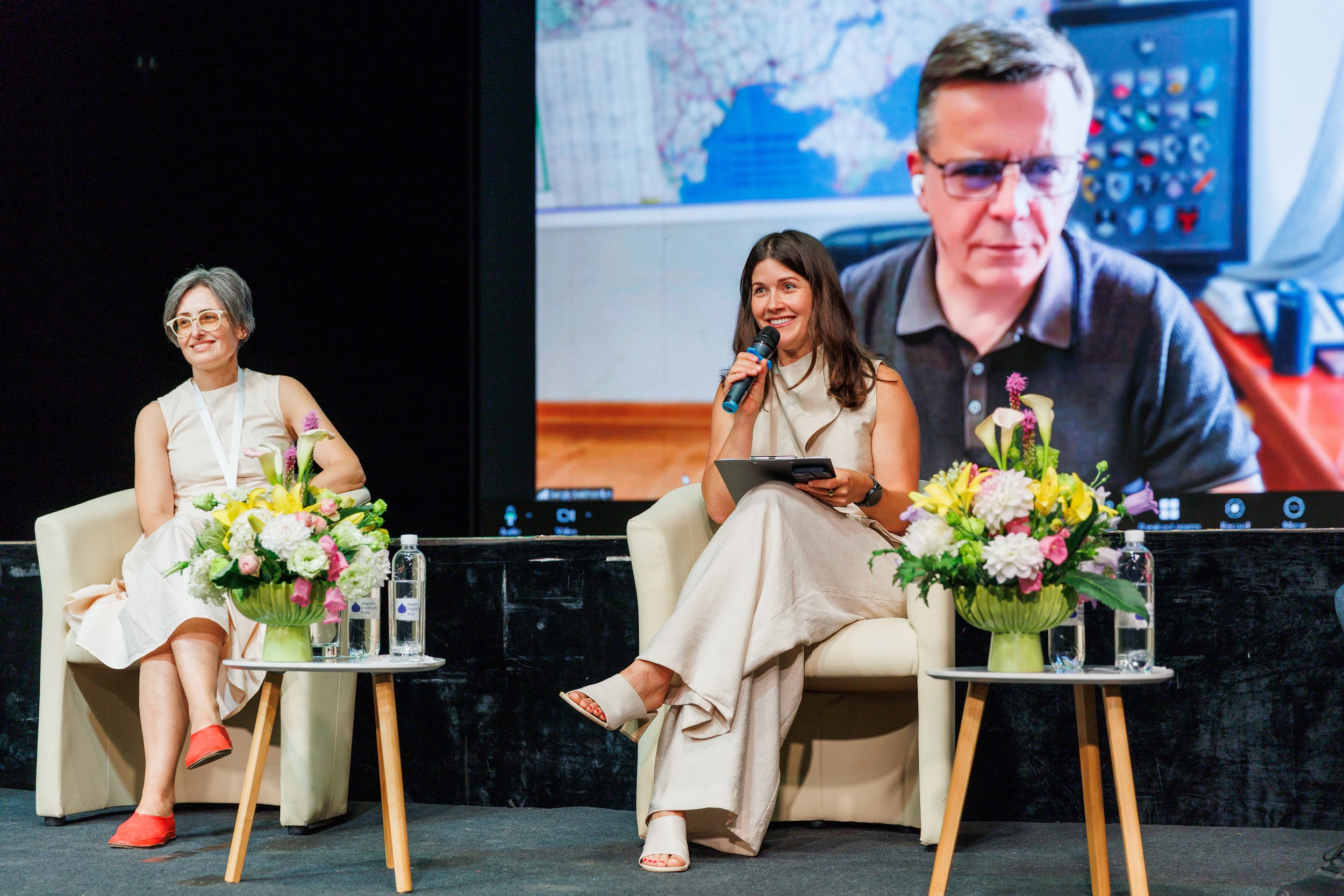


The second panel discussion, “Education as the Foundation of National Resilience and Defence Capability,” focused on education—not only as a system for training professionals but as one of the key pillars of Ukraine’s resilience and future development.
Kseniia Semenova, President of the National Aviation University, spoke about the need to rethink the role of Ukrainian universities. In her view, today’s challenges require greater institutional autonomy, new governance models, supervisory boards, and more effective management practices.
Tetiana Kahanovska, Rector of V. N. Karazin Kharkiv National University, stressed that a strong university begins with a cohesive team and a clear strategic vision. Such institutions are capable not only of responding to crises but also of shaping the future of their cities.
Iryna Ivanchyk, Co-founder of the Believe in Yourself Charitable Foundation, emphasized that talent does not develop on its own—it requires an environment that actively supports growth. She highlighted the importance of international cooperation, modern corporate governance, transparency, and an institutional culture in which universities become places where new knowledge and new solutions emerge.
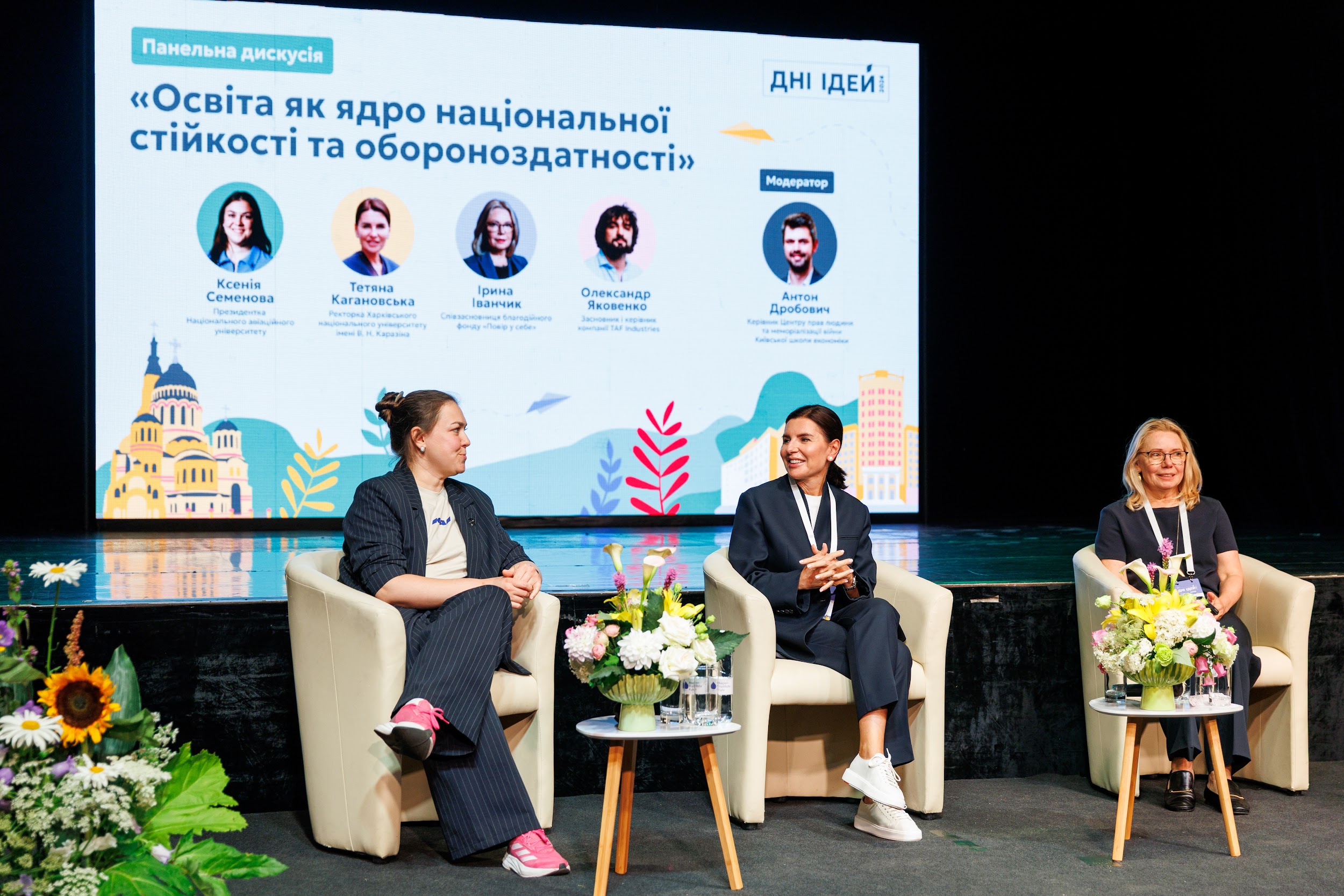
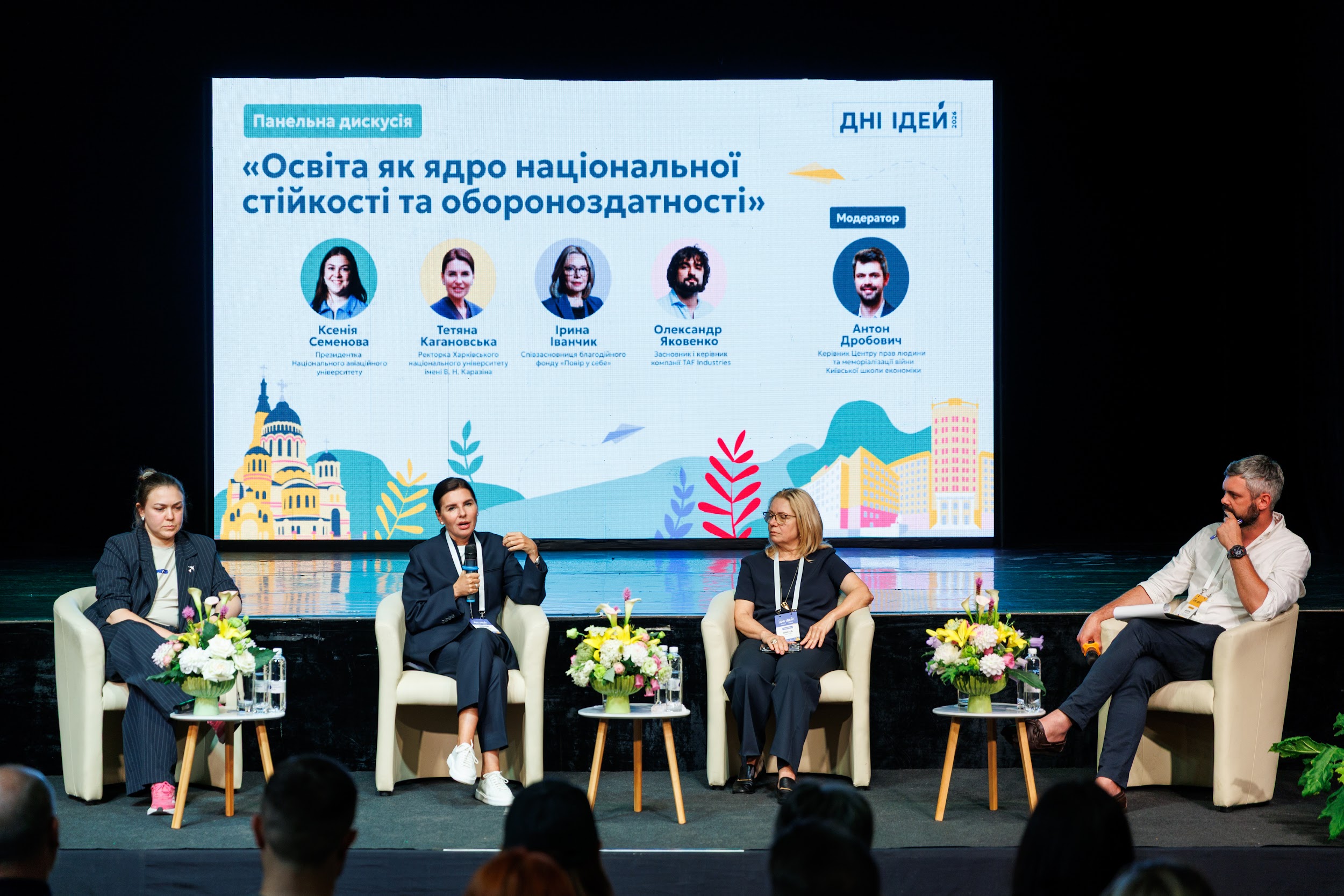
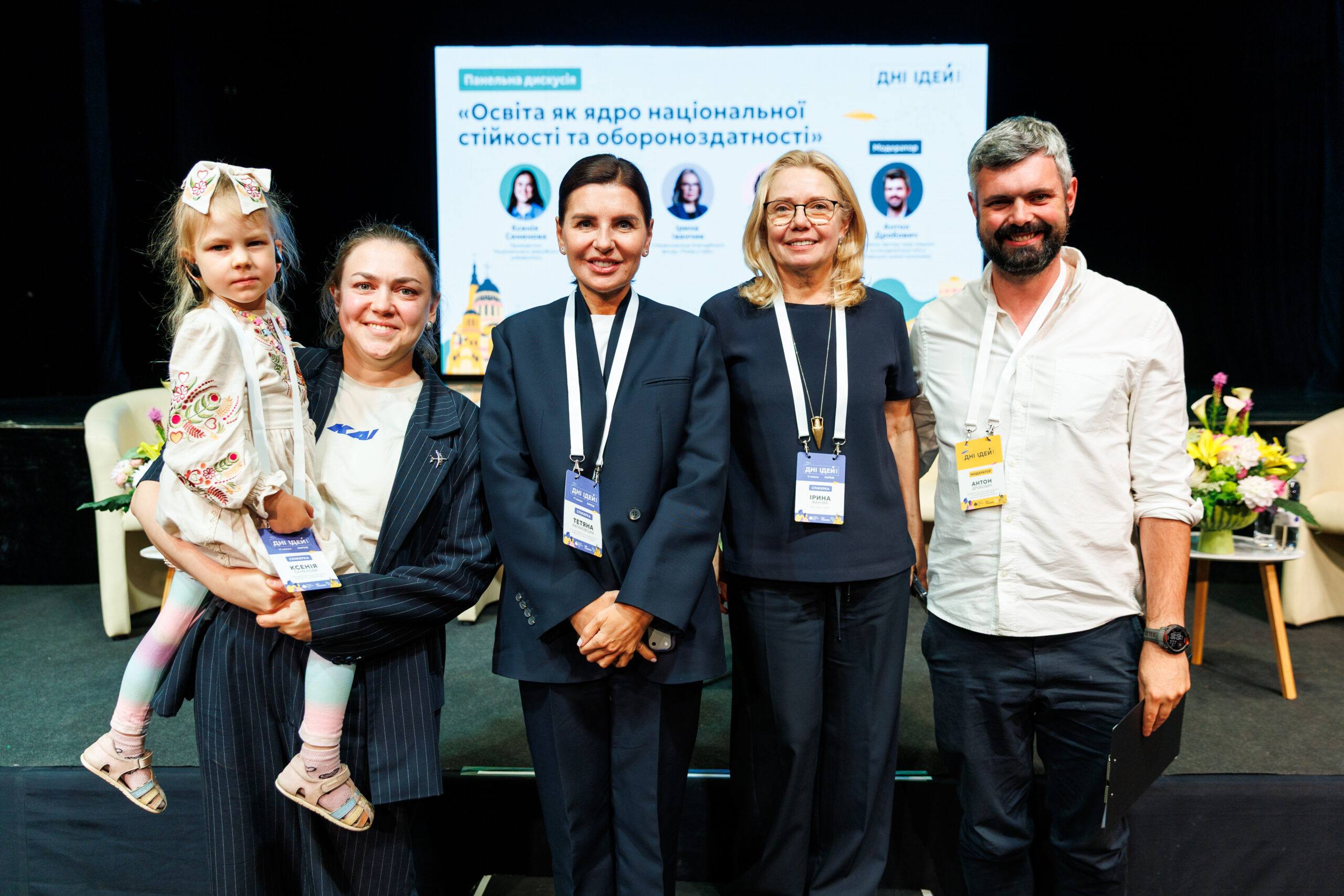
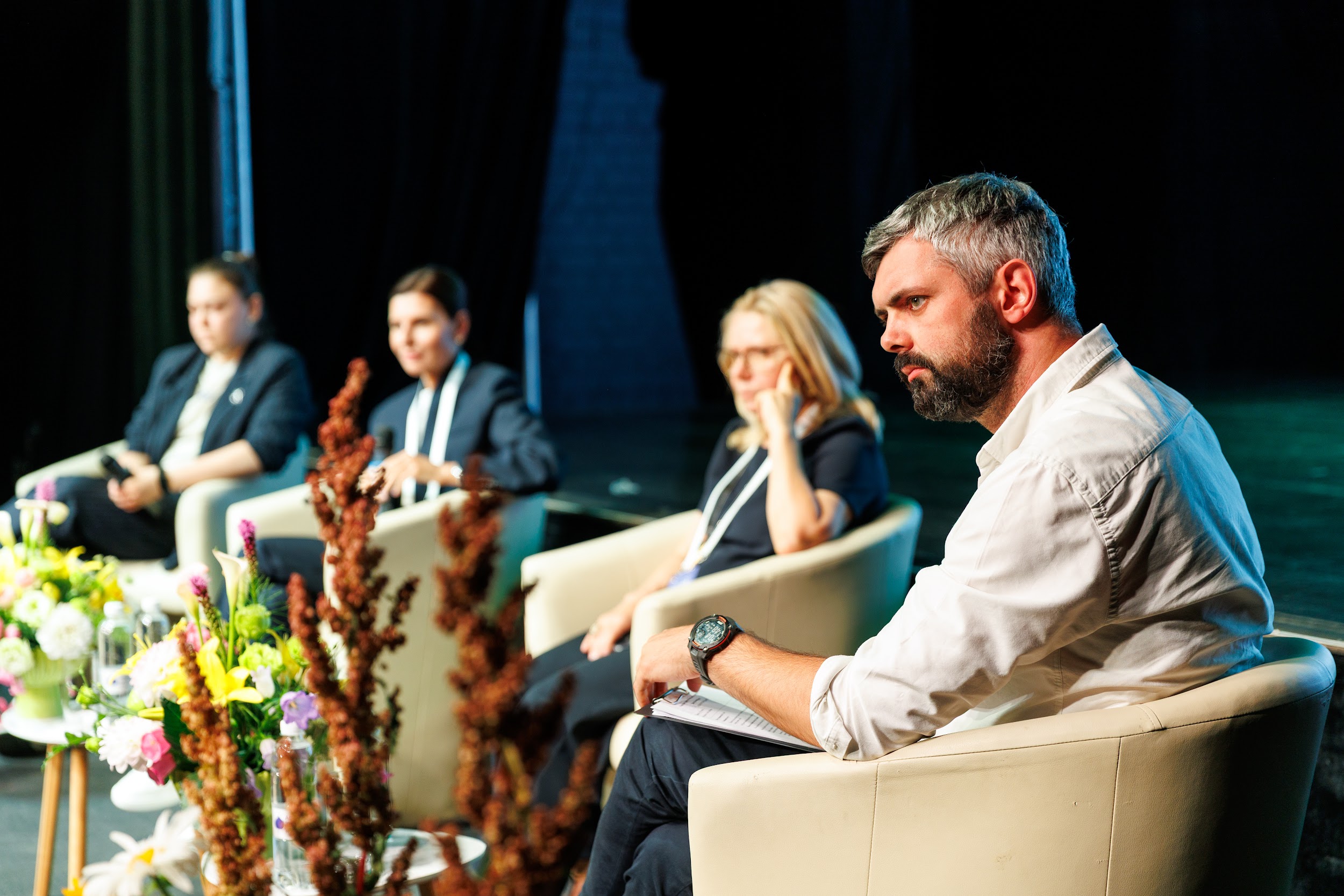
Although participants approached the discussion from different professional perspectives, they arrived at a shared conclusion: today, education is not only a public good but also a strategic investment in Ukraine’s resilience, economy, and human capital.
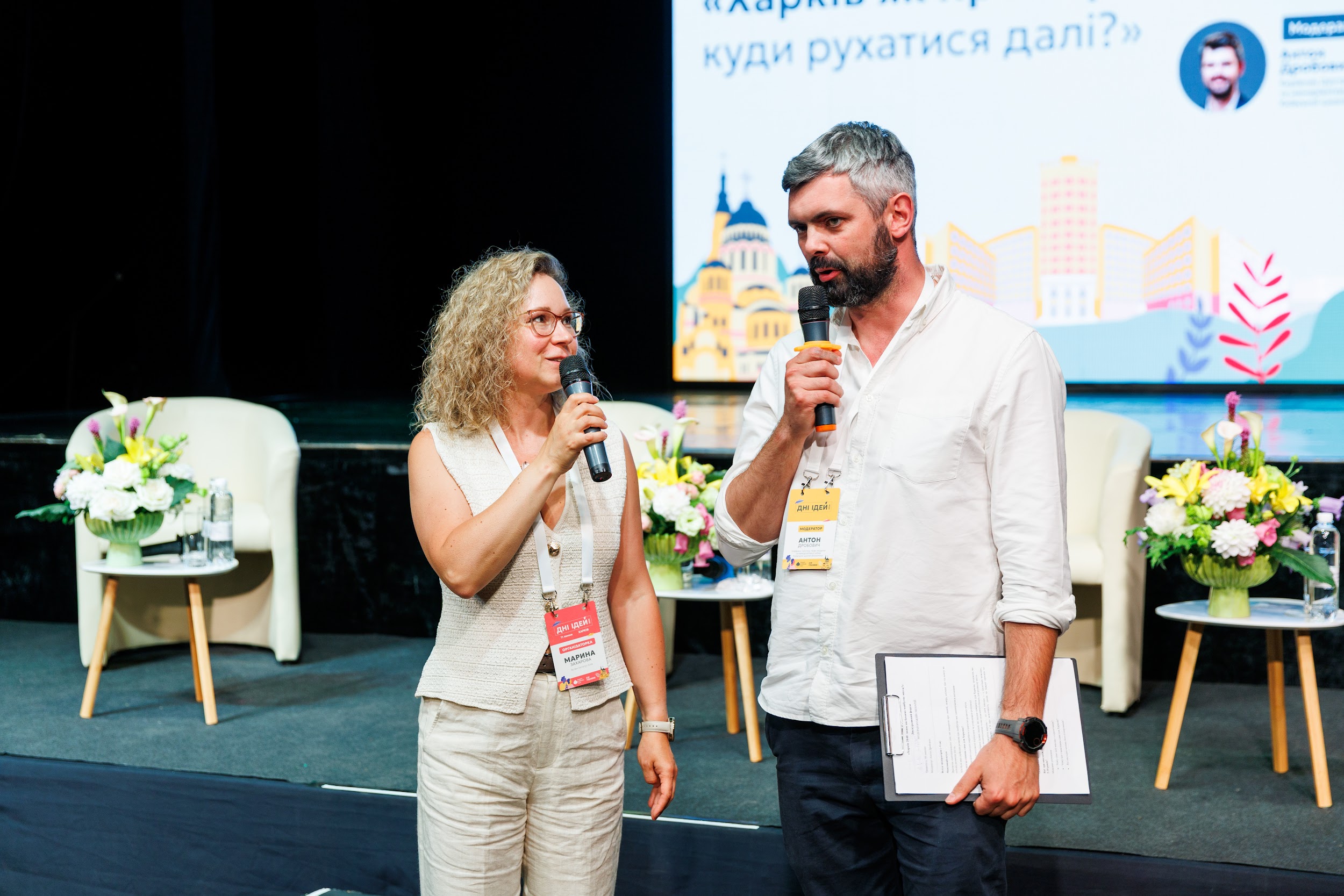
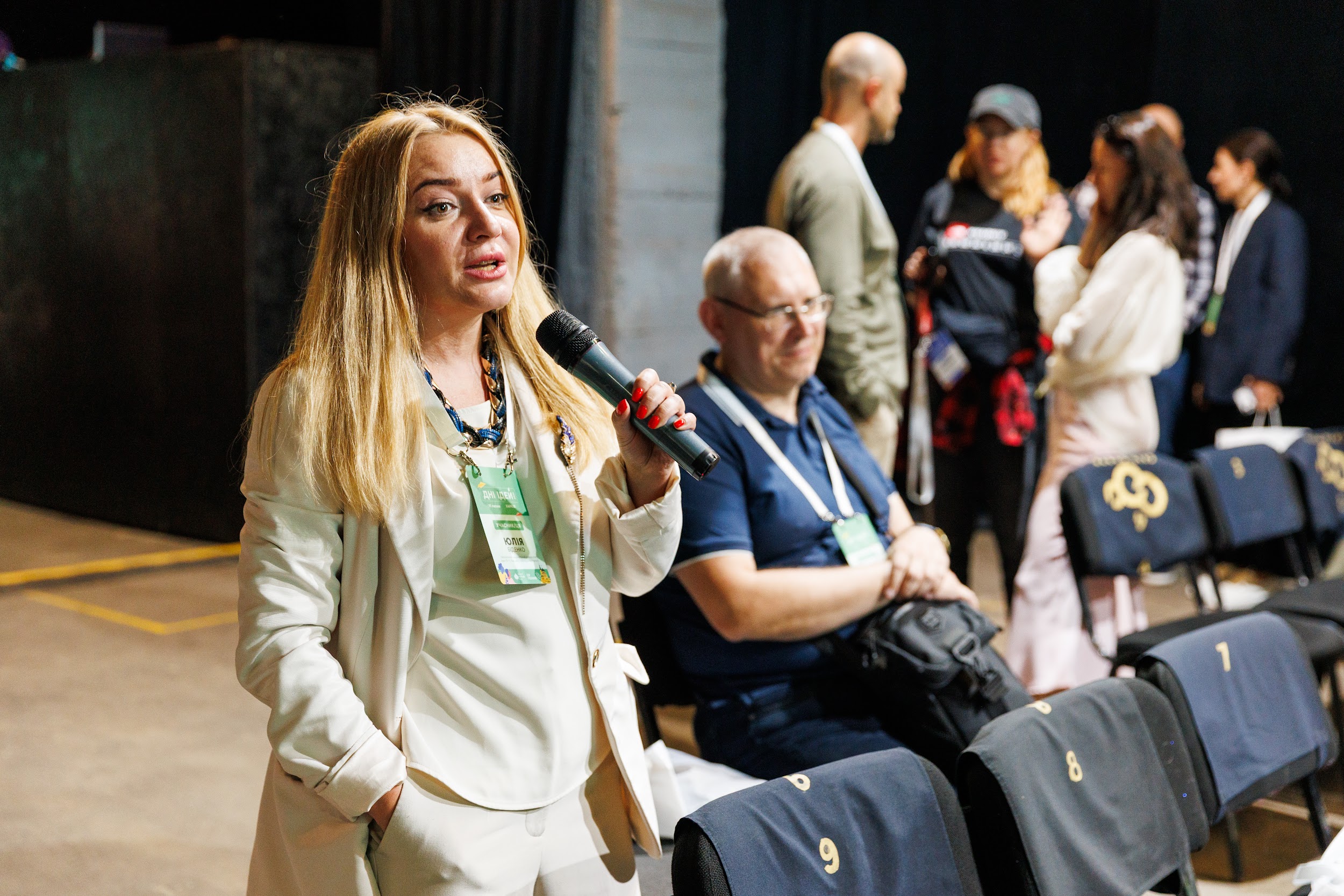
The programme concluded with an open dialogue, “Kharkiv as a Space of Opportunity: Where Do We Go from Here?” Participants discussed not only the city’s challenges but also concrete opportunities for its future—solutions that already depend on cooperation between communities, businesses, educational institutions, and the state.

The following day, participants continued exploring Kharkiv during a guided city tour led by Maksym Rozenfeld. After two days of intensive discussions, the tour offered an opportunity to experience the city’s history, architecture, and the people whose daily efforts continue to shape its character and future.
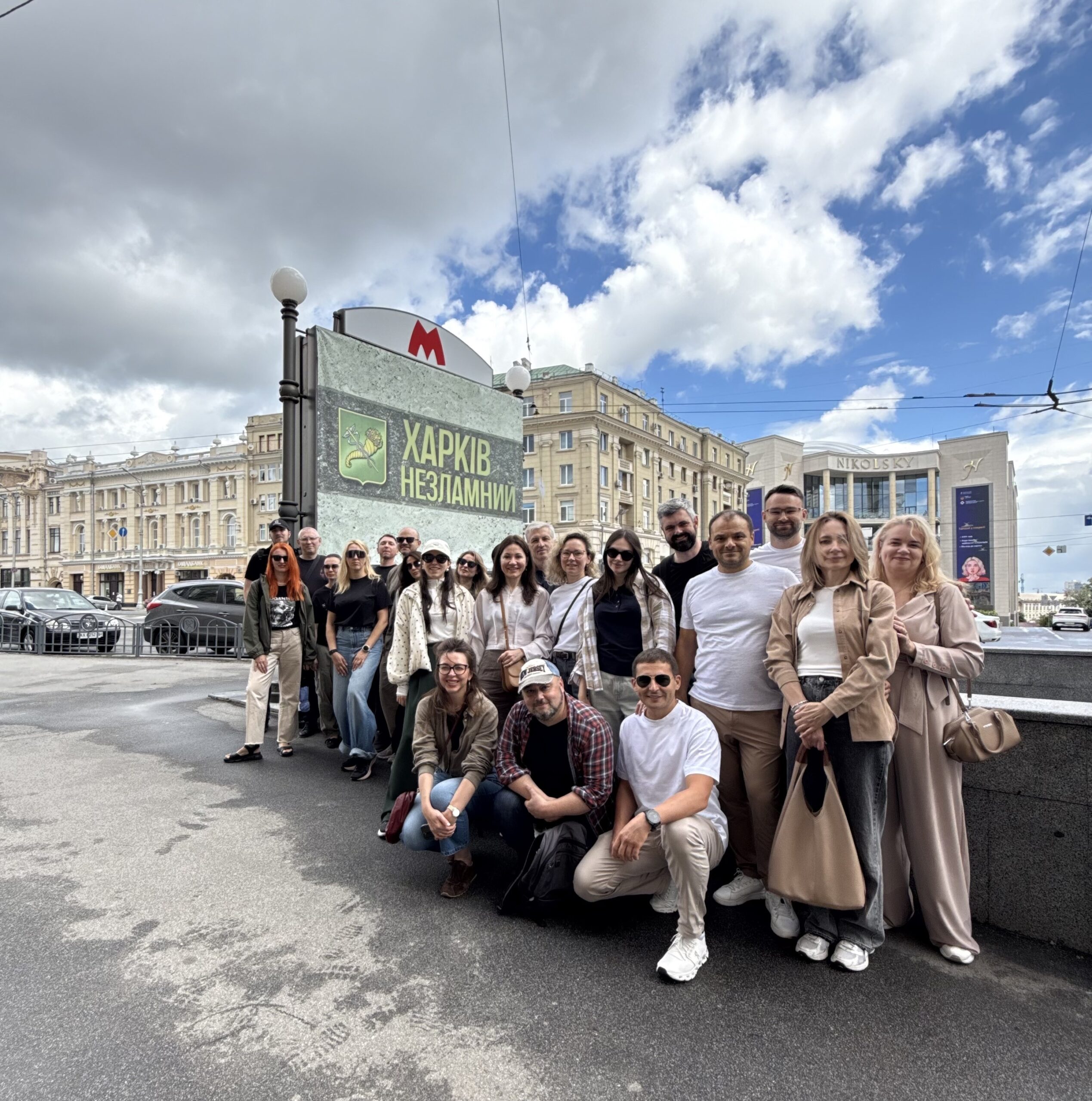
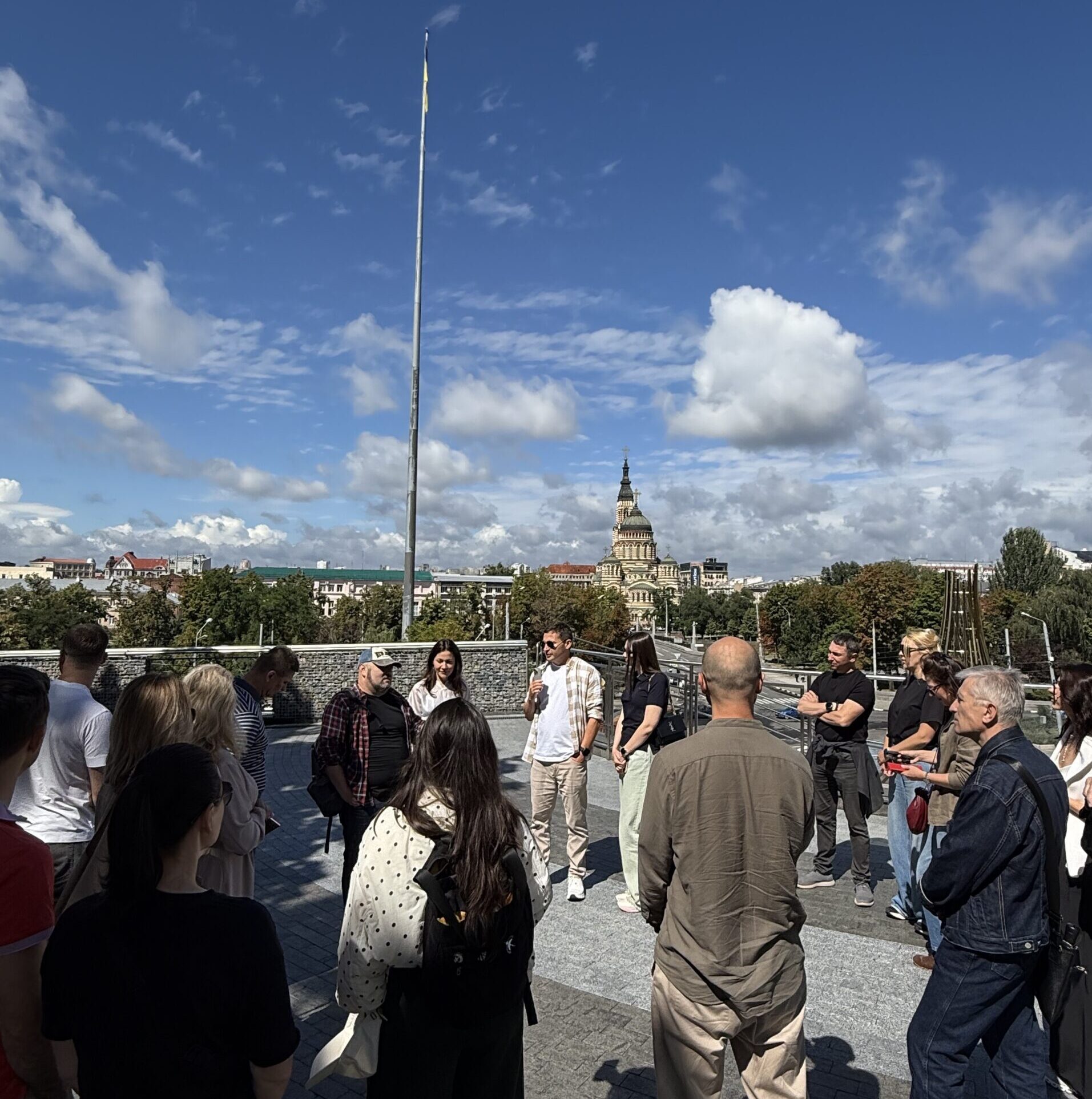
Kharkiv is already searching for answers to questions that tomorrow will face the whole of Ukraine. That is why the city’s experience matters far beyond its own borders.
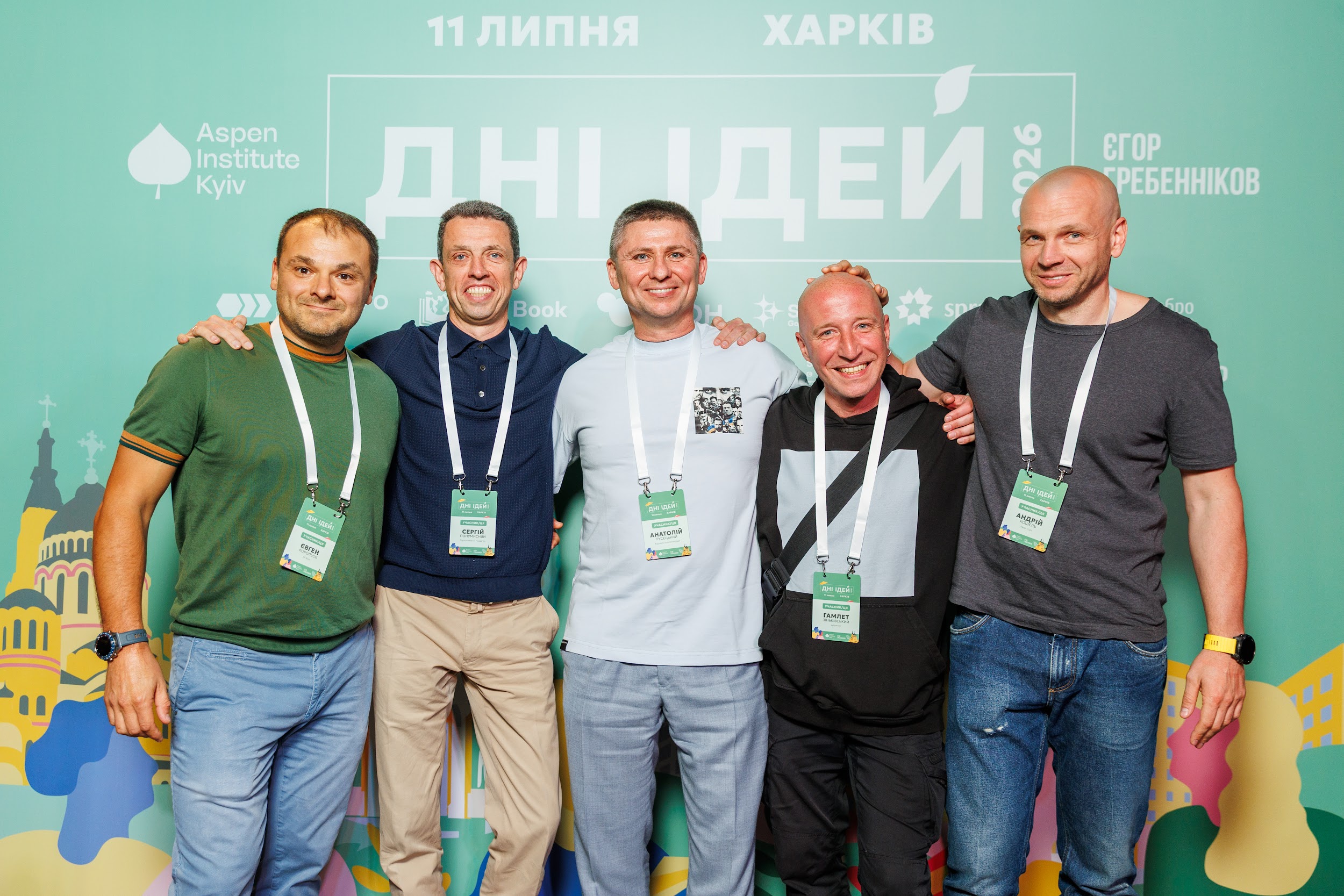
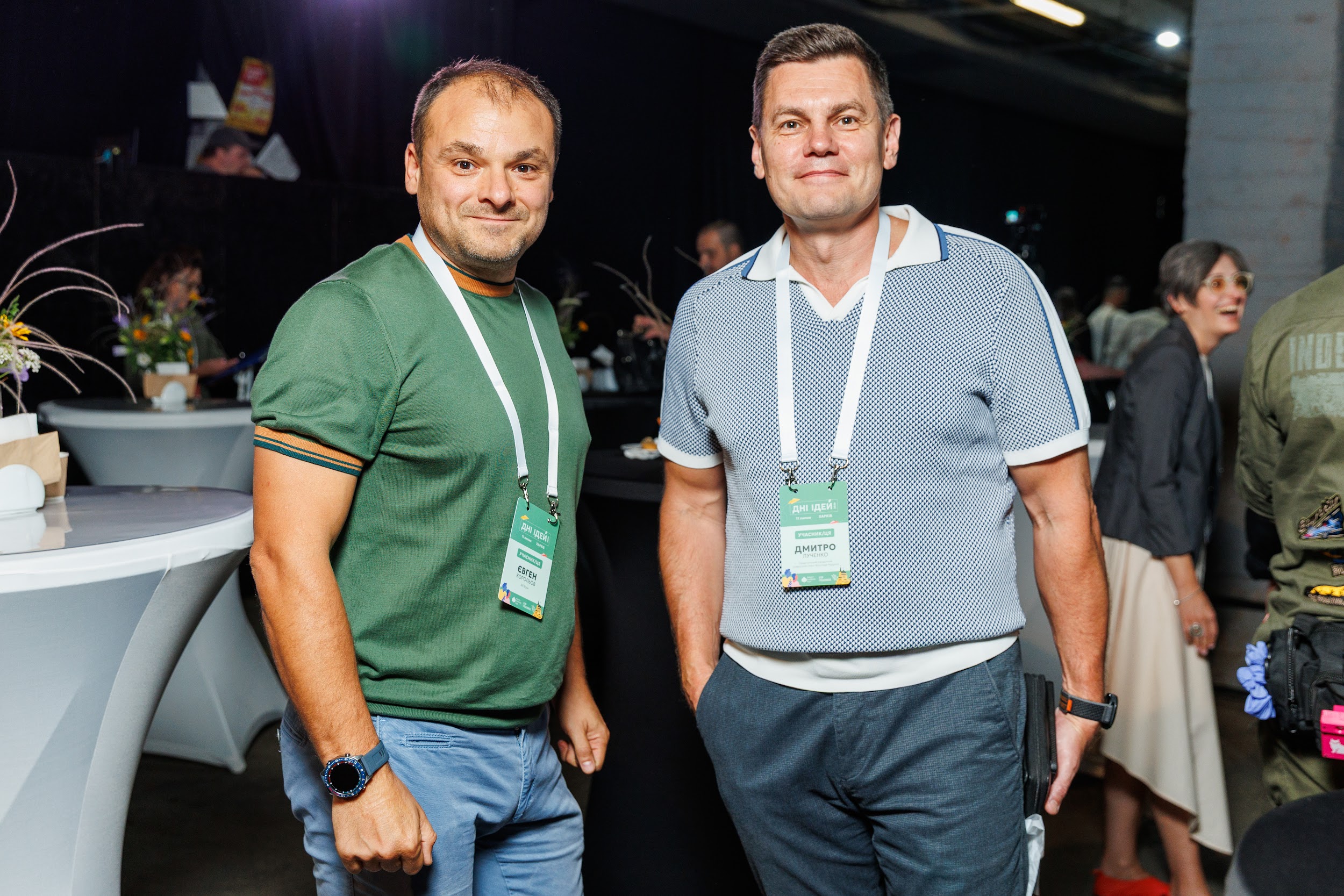

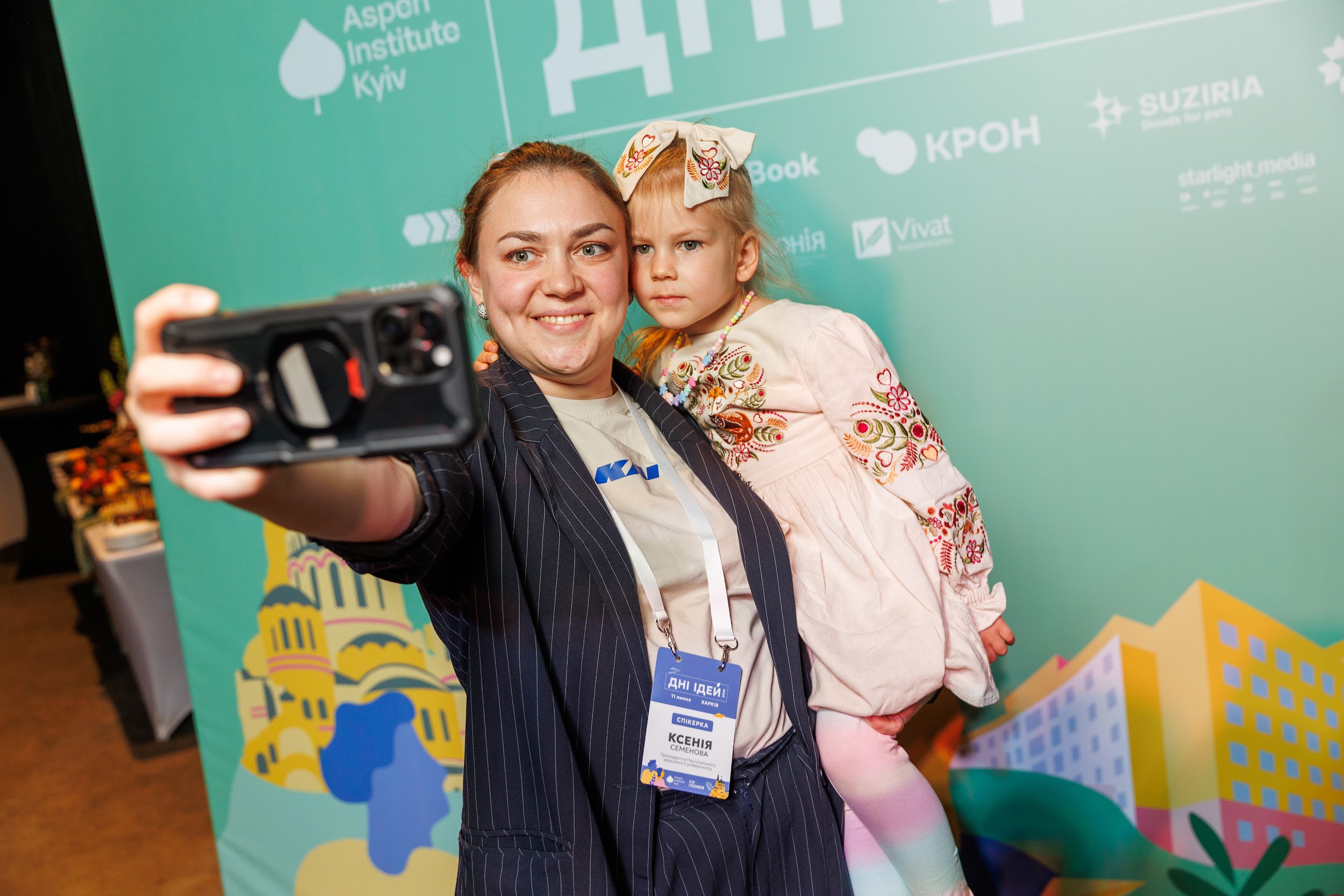



Days of Ideas in Kharkiv was made possible through the continued support of Yehor Hrebennikov, whose commitment has enabled the project to take place for the third consecutive year.
We are sincerely grateful to our partners who supported the event: the Novaagro Group, the KRON Group and the AR Book educational platform, the Suziria Group, the SPRAVAR Law Association and the Darui Dobro Kharkiv Regional Charitable Foundation, PaperCups, Kharkiv ATP 16363, GVS Cosmetics, and Victoria Gloria.
Special thanks also go to our partners who provided gifts for participants: GVS Cosmetics, Victoria Gloria, Vivat Publishing, SkillEdge, and Ekoniia.
We also thank our media partners—Starlight Media, Suspilne, Espreso, and Ukrainian Radio—for their valuable media support.