Aspen Comms Lab Hosts Dialogue on Approaches to Ukraine’s International Communication
International support for Ukraine depends not only on how effectively the country communicates its position and the challenges it faces. Equally important is understanding the societies Ukraine seeks to engage with — their values, priorities, and expectations.
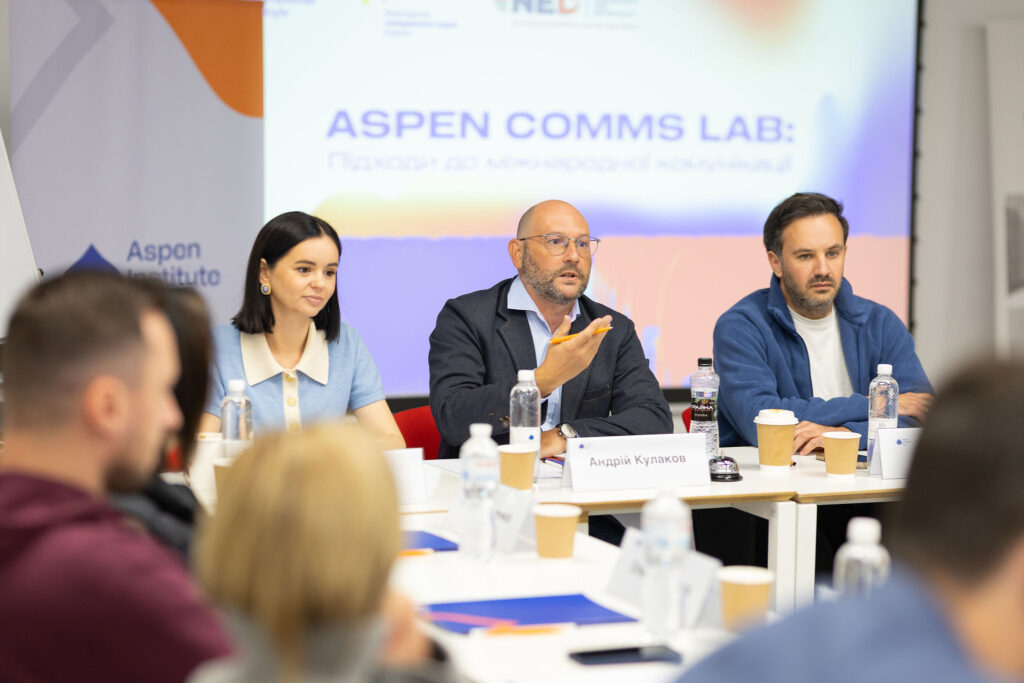
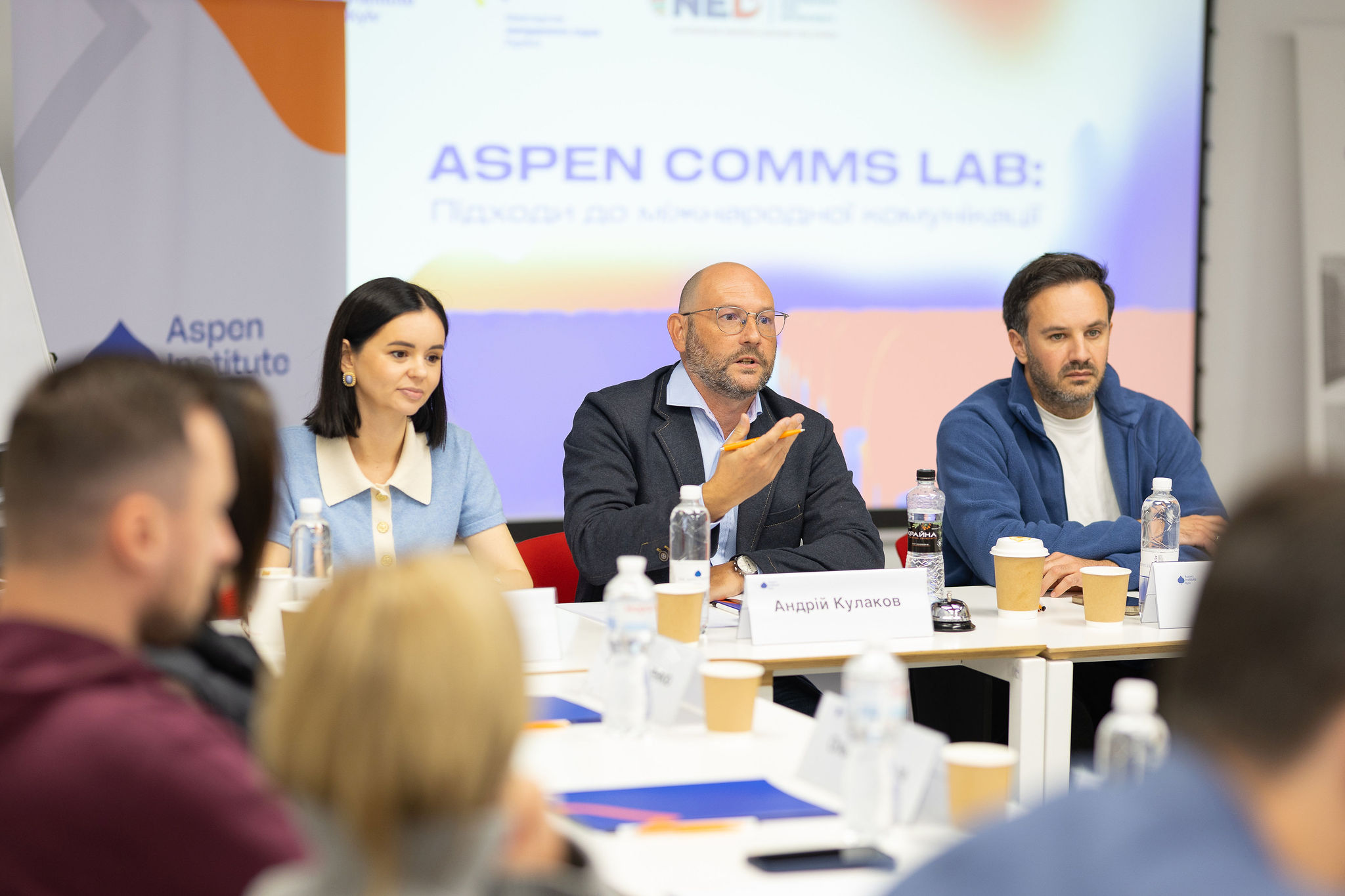
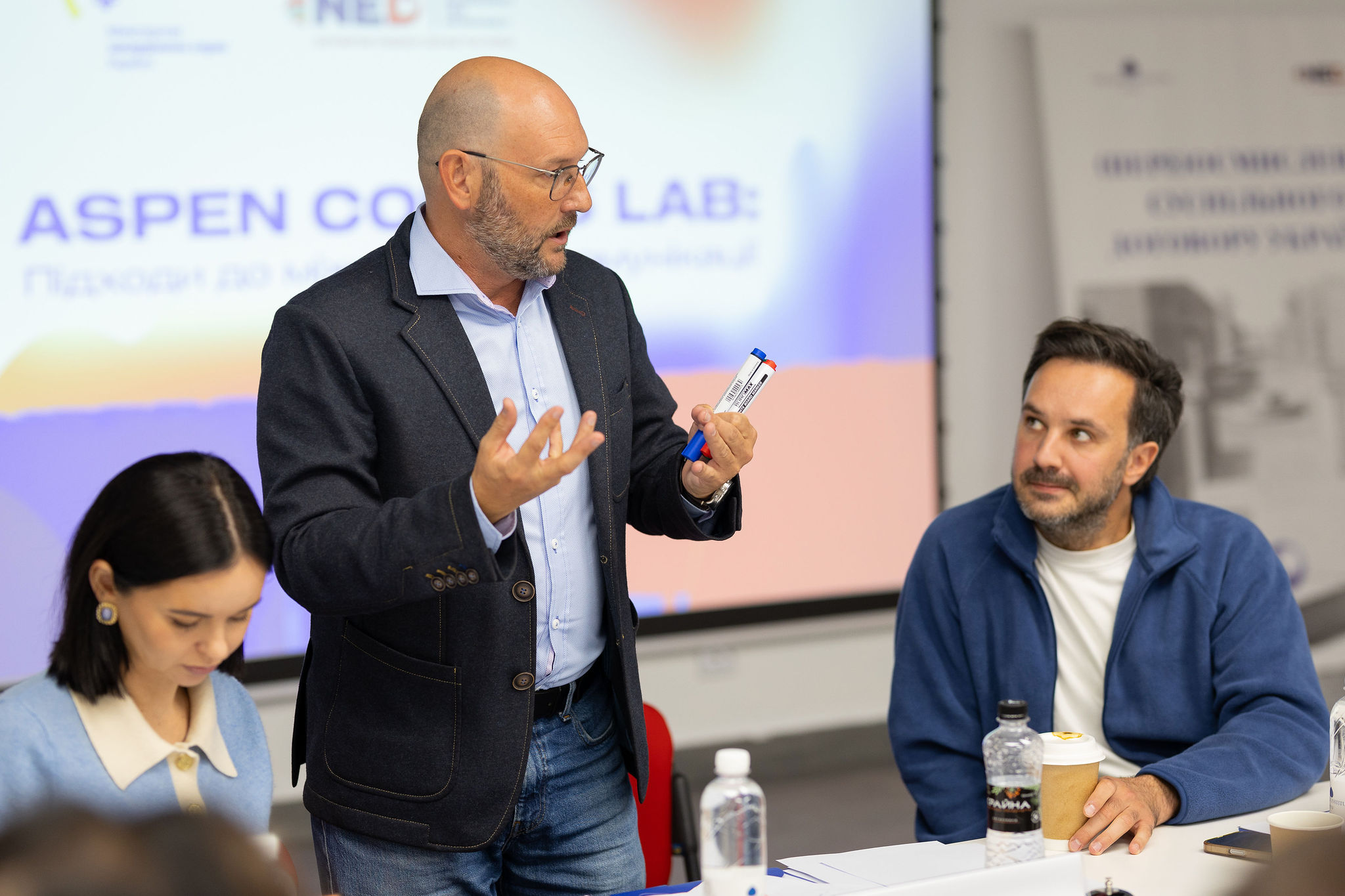
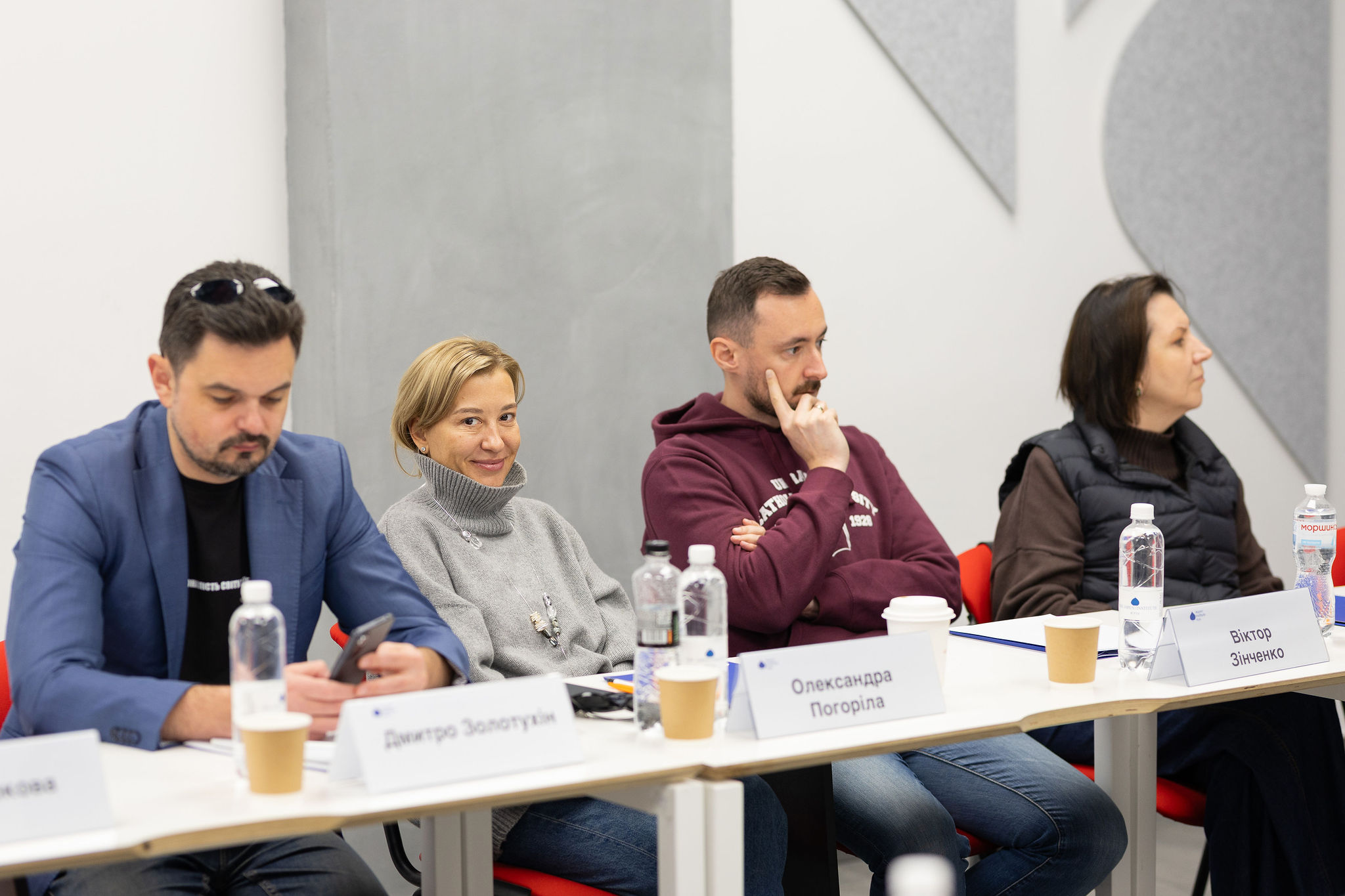
On October 10, Aspen Institute Kyiv held a dialogue titled “Approaches to International Communication” as part of Aspen Comms Lab, the Institute’s communications group. Organized in partnership with the Ministry of Foreign Affairs of Ukraine, the meeting brought together 20 participants from government institutions, the communications industry, civil society, business, and the expert community to develop practical approaches and recommendations for Ukraine’s international communication.
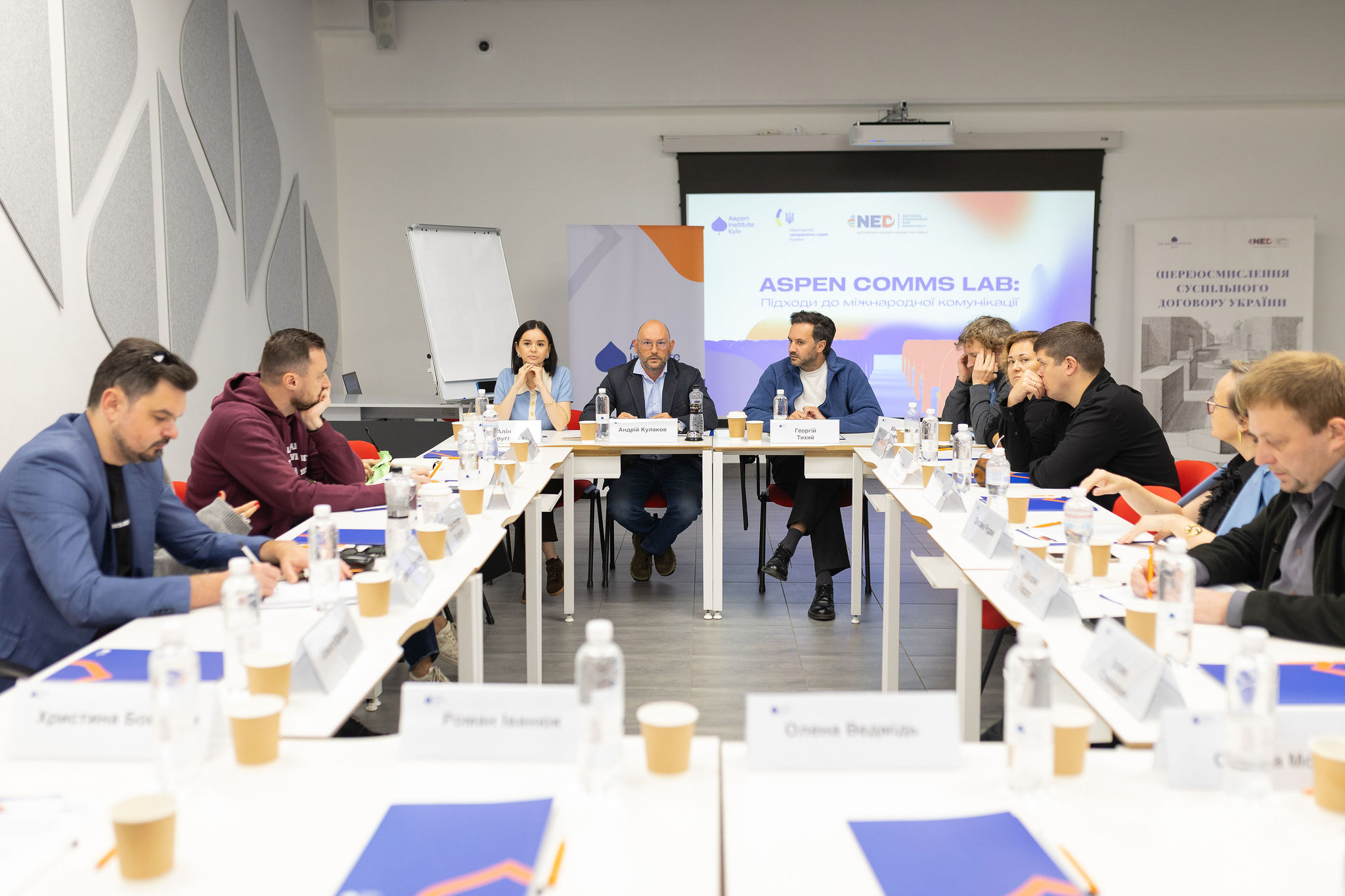
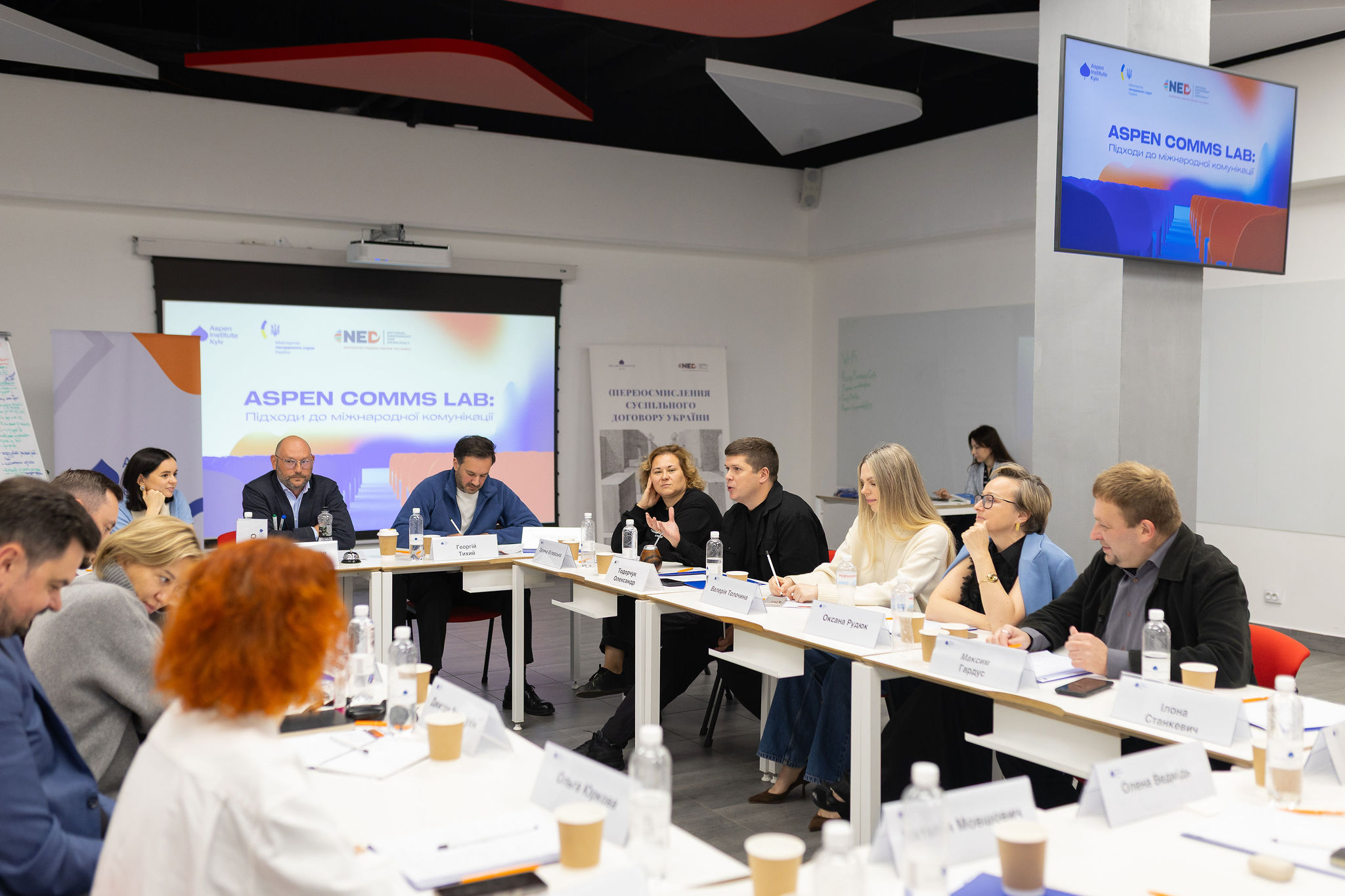
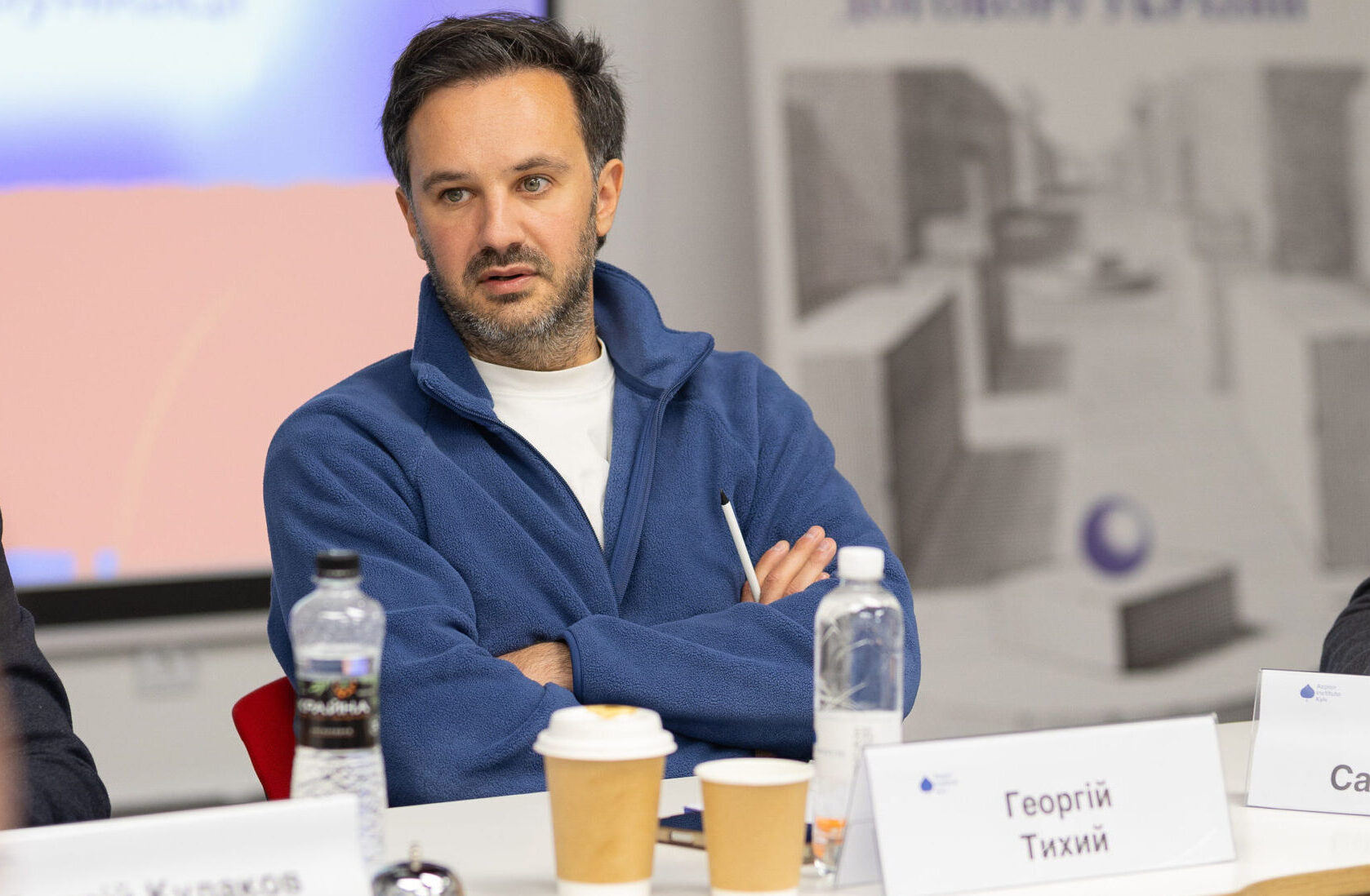
The Ministry of Foreign Affairs of Ukraine was represented by Heorhii Tykhyi, Spokesperson for the Ministry of Foreign Affairs of Ukraine.
Participants examined approaches to Ukraine’s international communication through the examples of Poland, France, and Germany — three key European partners whose societies differ in their political experiences, economic interests, and attitudes towards supporting Ukraine.
A central theme of the dialogue was the need to better understand foreign societies before seeking to influence how they perceive Ukraine.
In discussing Ukrainian-Polish relations, participants observed that Ukraine’s communication often draws on shared history, solidarity, and common security interests. However, these arguments alone are insufficient without an understanding of the issues currently shaping Polish society, the concerns of its citizens, and how they perceive economic and political developments.
Participants emphasised the importance of researching public attitudes, distinguishing between audiences based on their interests, and recognising that perceptions of Ukraine can vary considerably across different groups within society.
Particular attention was given to economic issues, including trade, agriculture, and competition, which influence perceptions of Ukrainian-Polish relations. The conversation highlighted the need to address disagreements openly, identify mutually beneficial solutions, and communicate the opportunities that cooperation can create for both countries.
Historical memory was another important topic. Participants explored how sensitivity towards difficult aspects of the shared past, cultural cooperation, and the involvement of Polish partners in developing joint initiatives could contribute to building long-term trust.
The second part of the dialogue focused on France and Germany, particularly shifts in their political landscapes and the growing influence of political forces that view international support for Ukraine through the lens of domestic economic and social concerns.
Participants considered how to engage audiences for whom appeals to solidarity are no longer sufficient and how to demonstrate the relevance of cooperation with Ukraine in terms of European countries’ own interests.
One of the recurring ideas throughout the conversation was that Ukraine’s international communication should explain not only why the country needs support, but also the value that partnership with Ukraine offers to European countries themselves.
Potential areas of cooperation discussed included joint defence production, technological innovation, economic partnerships, and the involvement of European businesses in Ukraine’s reconstruction.

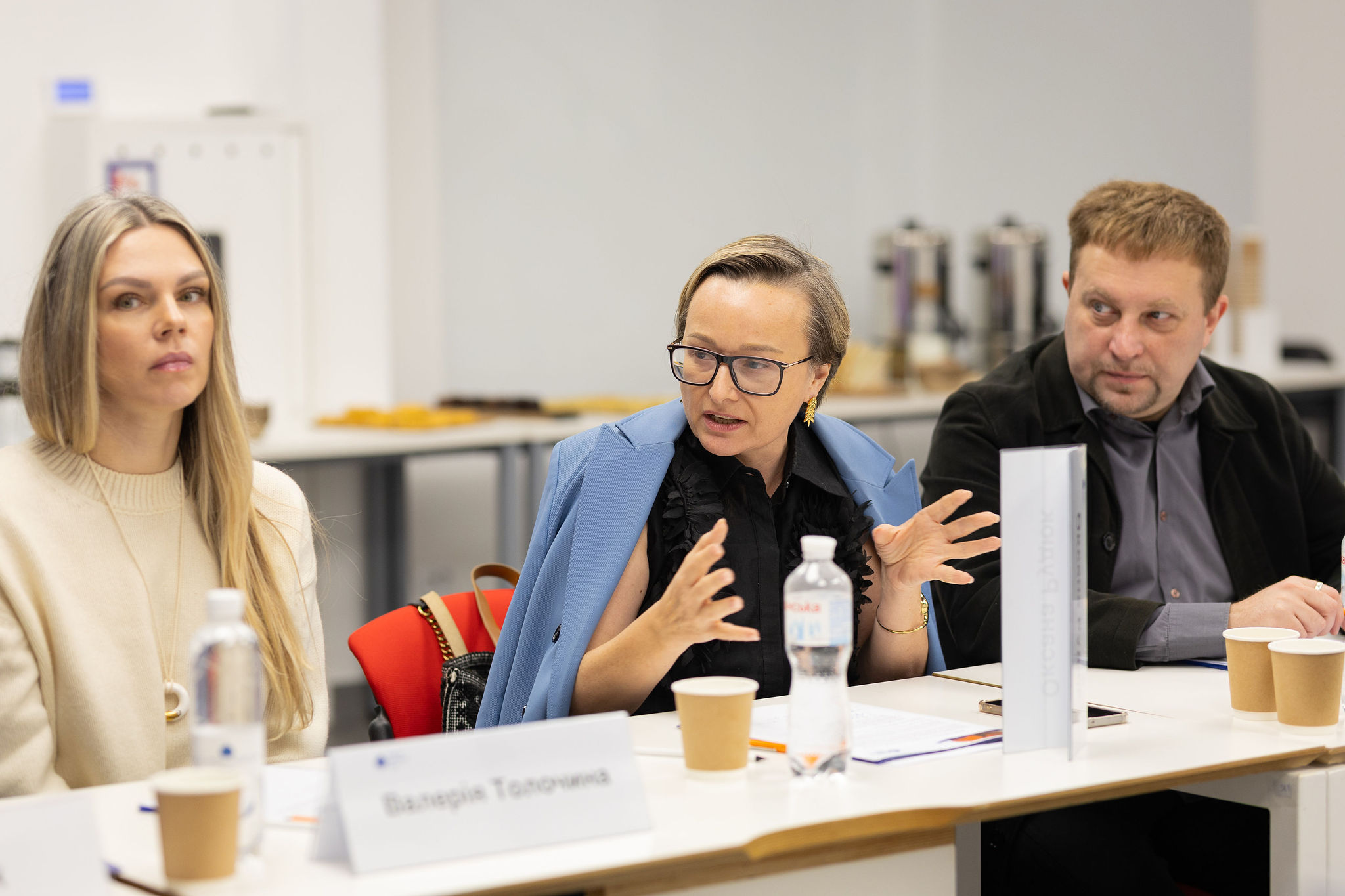
Participants also examined Ukraine’s experience in responding to contemporary security threats. This experience could contribute to strengthening European defence capabilities, particularly through emerging technologies and the ongoing reassessment of Europe’s future security architecture.
At the same time, participants acknowledged the challenges of communicating with politically diverse audiences. The discussion addressed opportunities for engaging people who are critical of support for Ukraine, as well as the risks associated with selecting partners and communication platforms.
Another important topic was the relationship between international communication and government policy.
Participants stressed that effective messaging can help explain Ukraine’s position but cannot substitute for consistent policy decisions or tangible progress on domestic reforms required for EU accession.
The discussion also highlighted the need for closer coordination of international communication among government institutions, civil society organisations, the expert community, and Ukrainian communities abroad.
Alongside political, economic, and security-related arguments, participants explored the role of cultural cooperation in fostering lasting connections between societies that extend beyond the immediate political agenda.
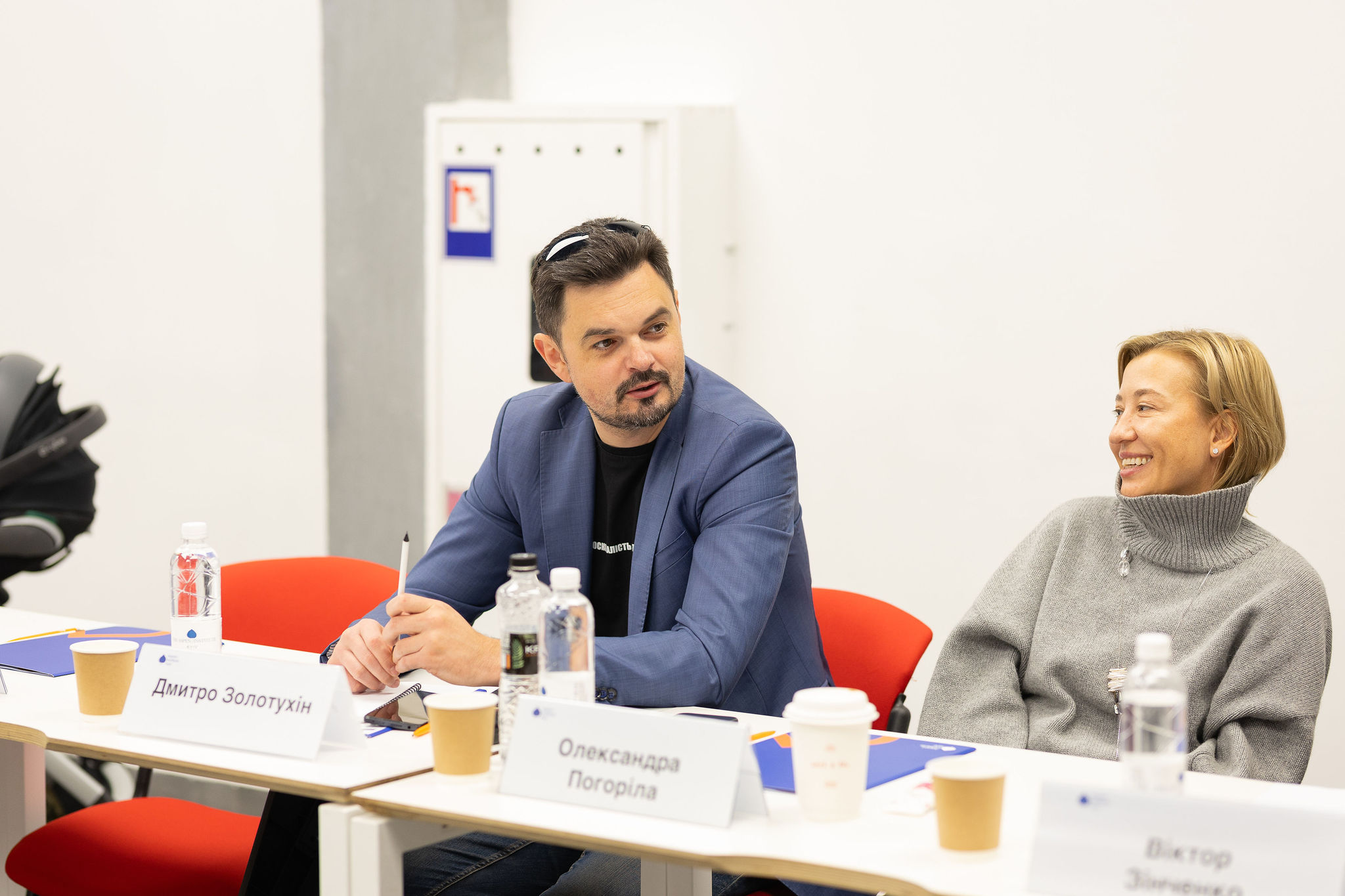
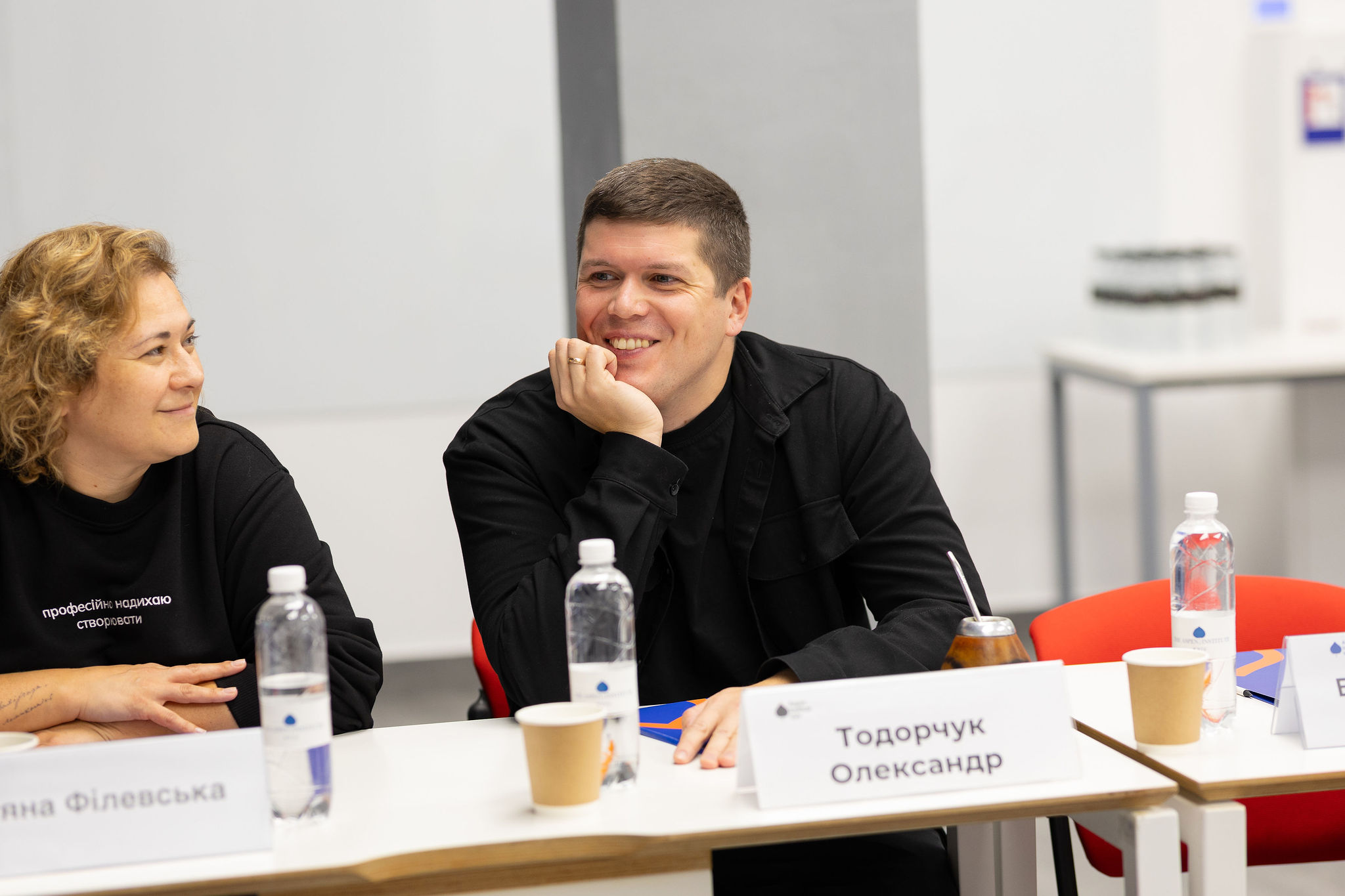
The dialogue identified several approaches that could inform Ukraine’s future international communication efforts: deeper research into foreign audiences, greater involvement of local partners in joint initiatives, stronger economic and security arguments, the development of cultural ties, and improved coordination among government institutions.
Heorhii Tykhyi thanked participants for the substantive exchange and practical proposals, noting that the ideas shared during the meeting would be taken into account in further work on Ukraine’s international communication.
The Aspen Comms Lab dialogue brought together professionals from different fields to exchange experience and jointly consider responses to current communication challenges.
For Aspen Institute Kyiv, the value of the meeting lay in bringing together perspectives from those responsible for government communication, those who study public attitudes, those who engage international audiences, and those who implement communication projects. This made it possible to examine Ukraine’s international communication not only from the perspective of government institutions but also through the experience of business, civil society, and communications professionals.
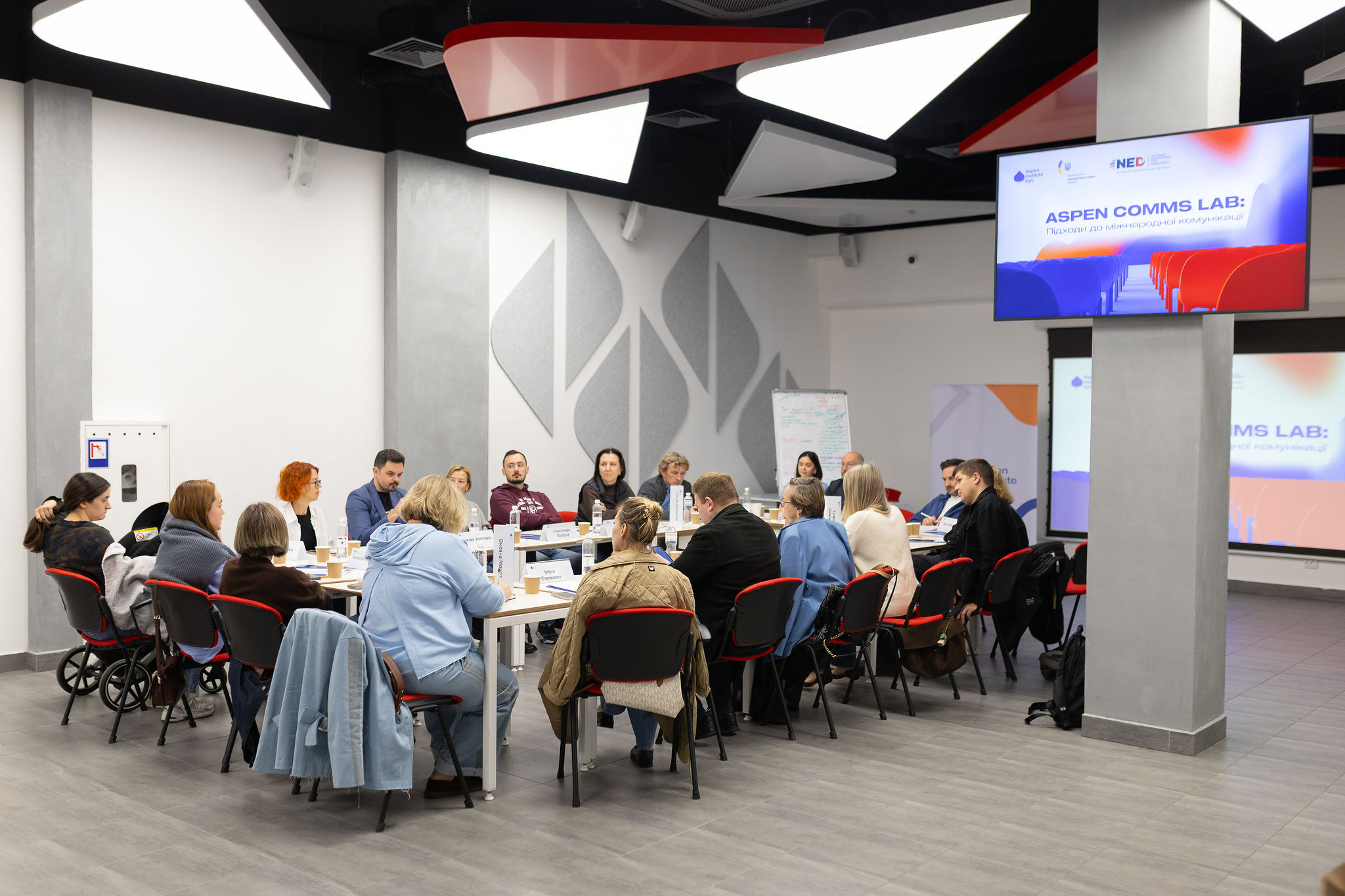
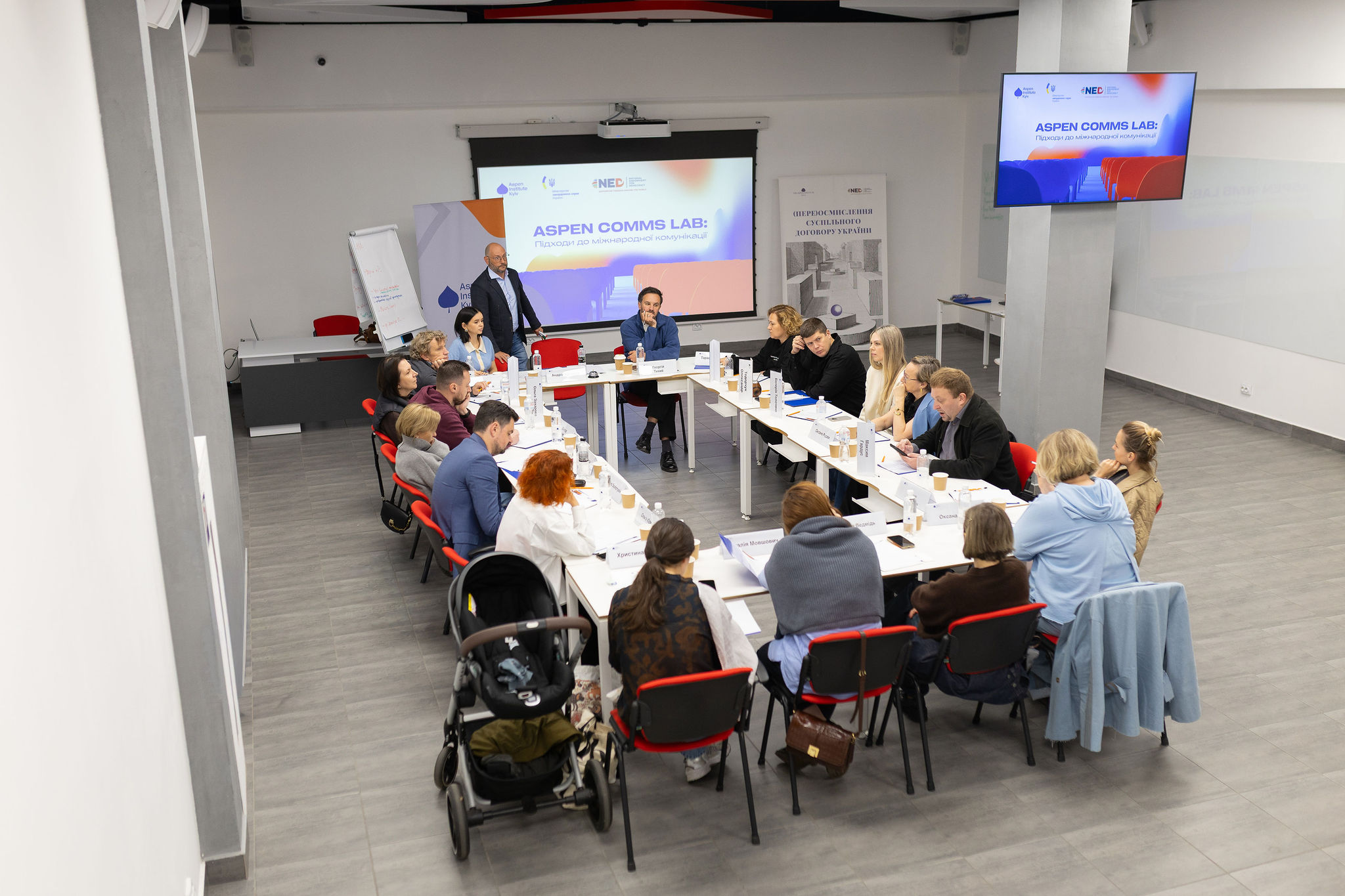
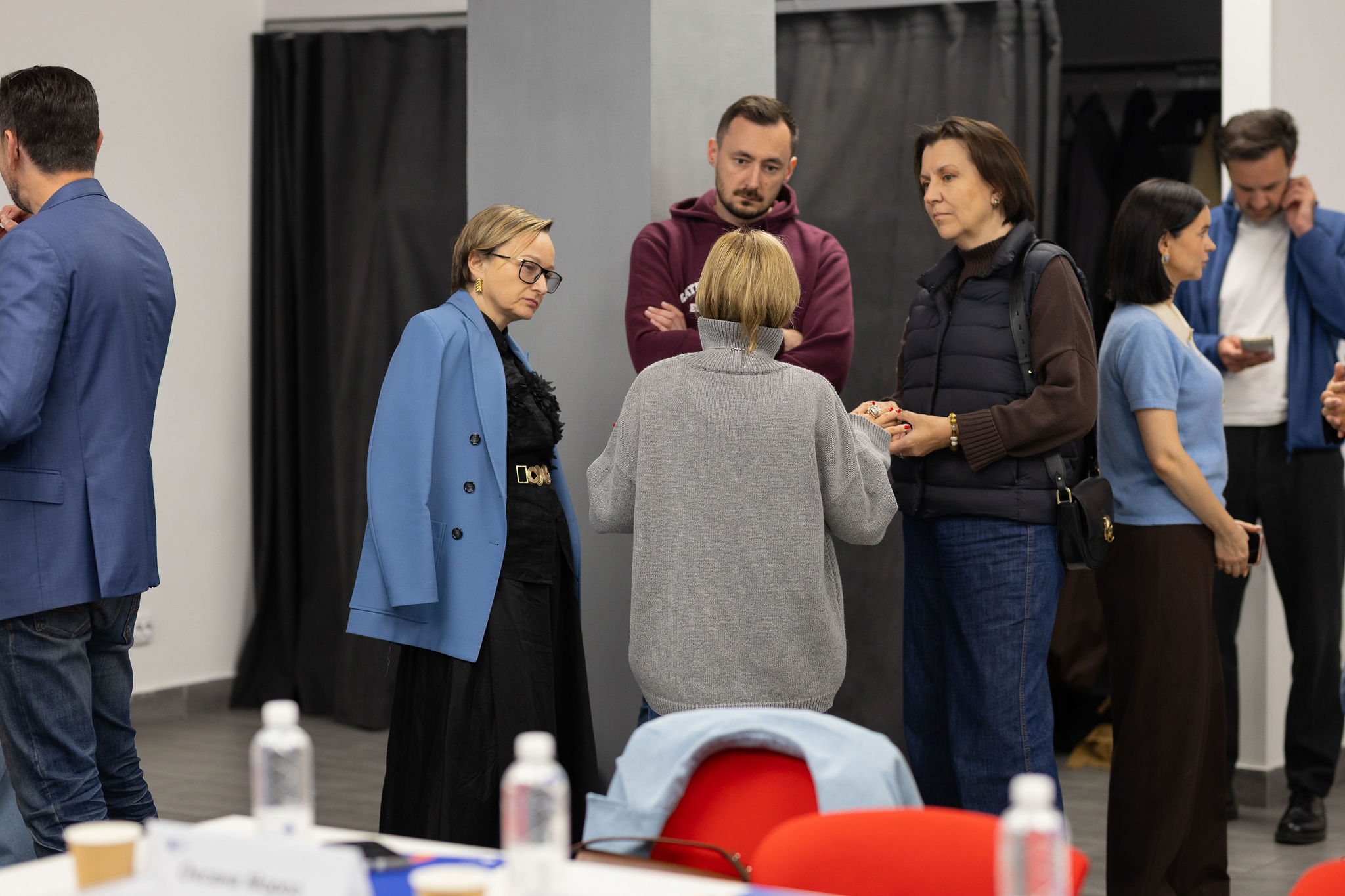

The dialogue was moderated by Andrii Kulakov, Programme Coordinator for the Aspen Institute Kyiv Community. The meeting was coordinated by Alina Kruhliak, Communications Manager at Aspen Institute Kyiv.
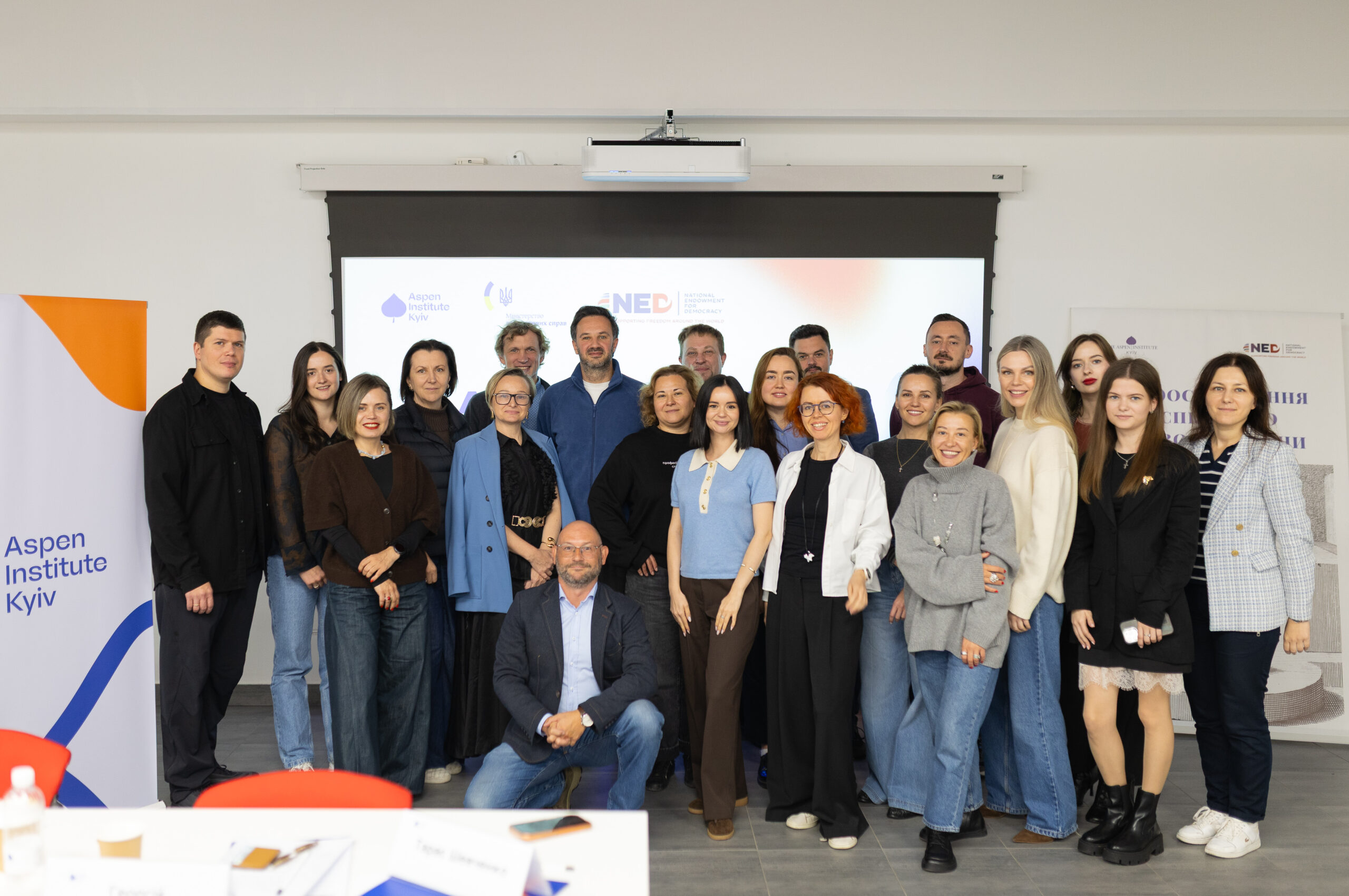
Aspen Institute Kyiv extends its gratitude to all participants for their openness, active engagement, and contributions to the conversation. Special thanks go to Kateryna Spivakova, Co-Chair of Aspen Comms Lab, for her continued support and contribution to its development.
The event was held as part of the “Social Contract for Ukraine” project, supported by the National Endowment for Democracy (NED), in partnership with the Ministry of Foreign Affairs of Ukraine.